Corgis and Children: Big Personalities on Short Legs
What families should know about Pembroke and Cardigan Welsh corgis — herding instincts, nipping, shedding, back health and exercise.
With their fox-like faces, short legs and cheerful attitude, Welsh corgis are hugely popular — helped along by their long association with the British royal family. Corgis can make excellent family dogs, but they are herding dogs first and foremost, and that heritage shapes how they behave around running, shrieking children.
Two breeds, not one
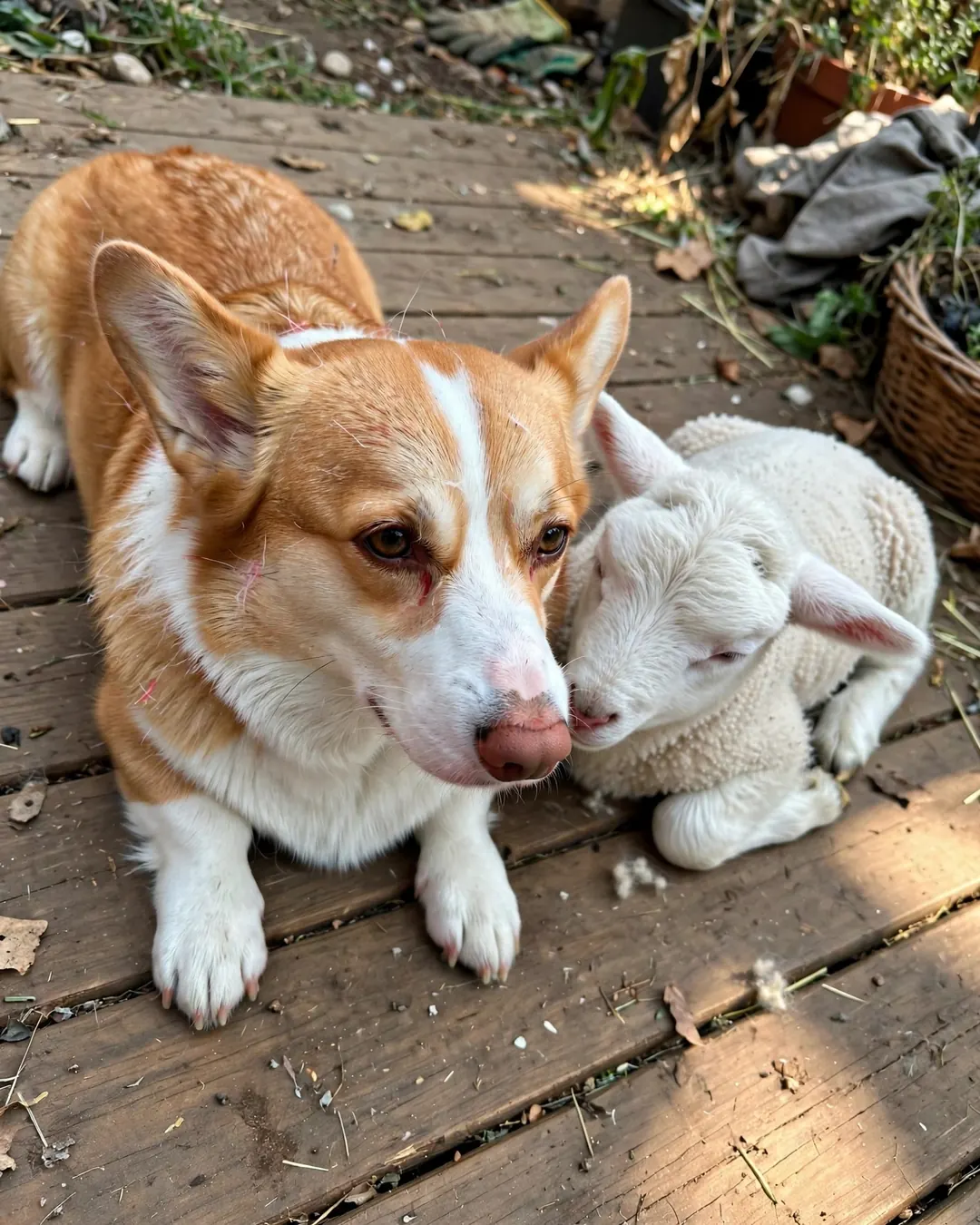
There are two corgi breeds. The Pembroke Welsh corgi is the more common, usually with a docked or naturally short tail and pointed ears. The Cardigan Welsh corgi has a long tail, slightly larger frame and rounder ears. Both share similar temperaments, though Cardigans are often described as a little more reserved.
Temperament
Corgis are typically:
- Intelligent and alert, quick to learn and quick to notice everything.
- Vocal, with a bark that sounds much bigger than the dog.
- Confident and bold, sometimes stubborn.
- Affectionate and loyal to their family.
The herding instinct
Corgis were bred to move cattle by nipping at their heels — their low height helped them avoid kicks. In a family home, this instinct can show up as:
- Chasing and nipping at the heels of running children.
- Barking at or circling family members.
- Trying to control movement during play.
This is not aggression; it is a hard-wired behaviour. But nipping a toddler's ankles is not acceptable, so it needs managing from puppyhood:
- Redirect nipping onto tug toys and appropriate games.
- Teach children to stand still ("be a tree") rather than run if the dog gets excited.
- Avoid chasing games between children and the dog.
- Provide herding-style outlets such as treibball or other dog sports.
Exercise
Despite their short legs, corgis are energetic and need daily walks plus play and mental stimulation. Without enough activity, they can become noisy, pushy or destructive. Avoid lots of jumping and stair-running, particularly in young dogs, because of the strain on their long backs.
Back and joint health
The corgi's long body and short legs are a form of dwarfism that increases the risk of back problems, including intervertebral disc disease. Other breed concerns include hip dysplasia and degenerative myelopathy, a progressive spinal condition for which a DNA test exists. Keeping your corgi lean is one of the best things you can do for its back — corgis love food and put on weight easily.
Teach children never to pick up the dog awkwardly, and use ramps or block stairs where possible.
Typical lifespan is around 12–14 years.
Shedding
Corgis have a thick double coat that sheds constantly and heavily twice a year. Frequent brushing helps, but expect fur everywhere. They are not a good choice for families with dog allergies.
Training
Corgis are clever and usually food-motivated, which makes reward-based training effective — as long as it stays interesting. Priorities in a family home include a reliable recall, a "quiet" cue, settling calmly, and impulse control around moving children.
Corgis and toddlers
Corgis can be loving family dogs, but their herding drive and vocal nature need thought in homes with very young children. Supervise interactions, manage play so it doesn't trigger chasing, and give the dog its own quiet space.
Is a corgi right for your family?
A corgi may suit an active family that enjoys training and doesn't mind fur or a bit of barking. Families with very young children should be prepared to work actively on the herding instinct.
In summary
Corgis are smart, funny and full of character. Understand their herding roots, protect their backs and give them a job to do, and they can be wonderful companions for growing children.