Grandma Filled the Bird Feeder. Then She Noticed Who Was Sitting Right Below It.
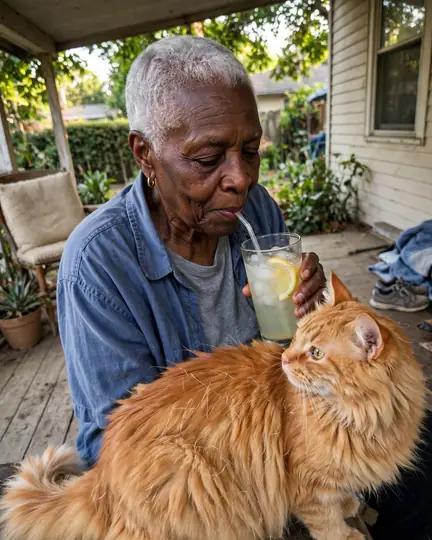
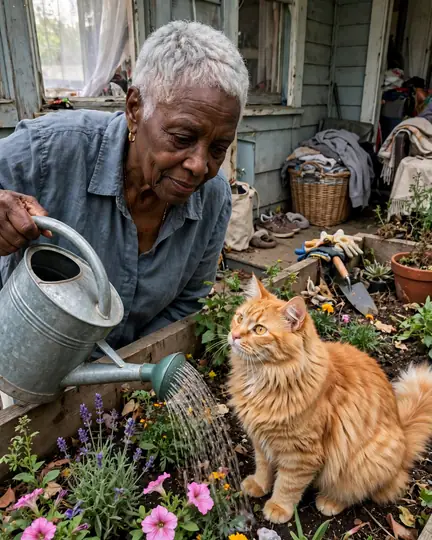
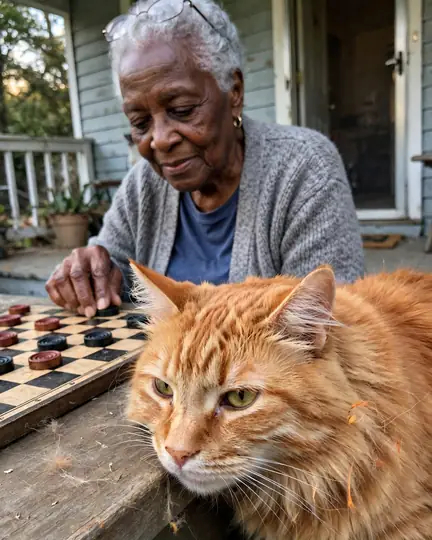
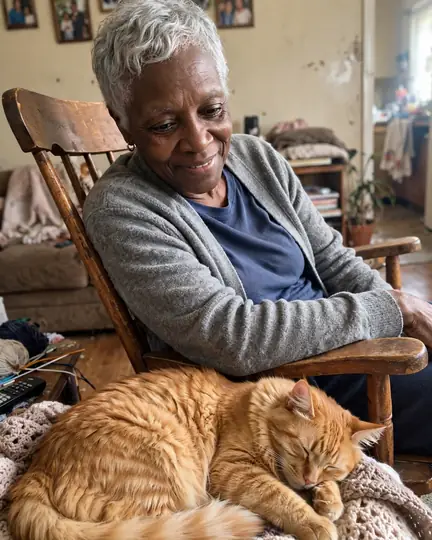
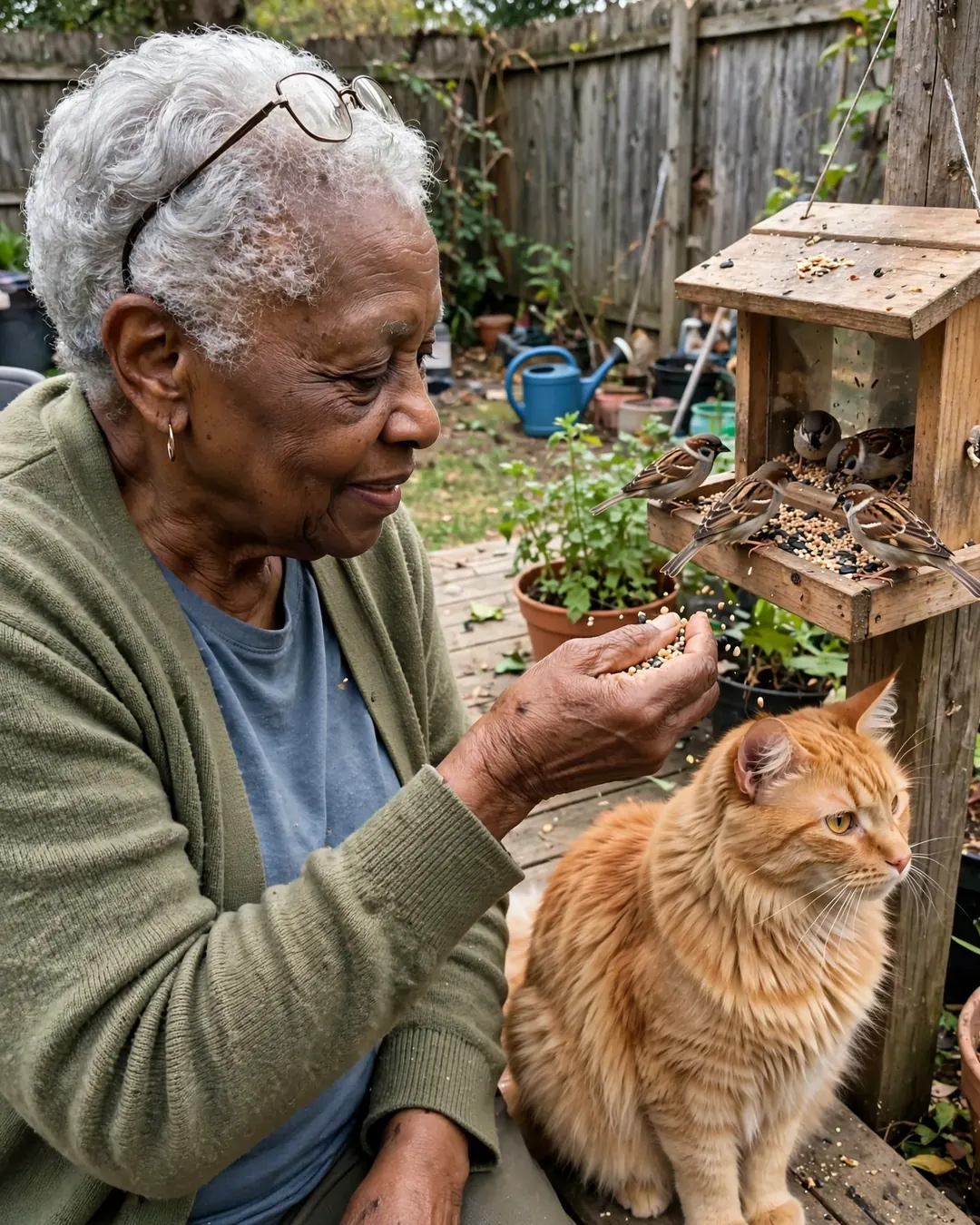
A handmade wooden bird feeder stands on a post in the corner of the yard, its little roof sheltering a tray of seed and a handful of brown sparrows pecking away. Odessa, in a green cardigan with her glasses pushed up into her silver curls, is sprinkling a fresh pinch of seed from her palm, smiling softly at the birds. Potted herbs and a blue watering can line the fence behind her. Directly below the feeder sits Marmalade, his fluffy orange body perfectly still, front paws together, golden eyes narrowed just slightly as he gazes past the birds. He is either the most well-behaved cat in town or the most patient, and it is hard to tell which.
A cat's hunting instinct runs deep, even in well-fed pets, and birds at a feeder can be very tempting. Wildlife experts generally recommend keeping cats away from feeders, or supervising closely, because cats can be very effective predators of songbirds. Placing feeders high off the ground and away from shrubs where a cat could hide gives birds a better chance to spot danger. Indoor cats can still enjoy bird watching safely from a window perch, which offers plenty of mental stimulation without risk to the birds. Keep seed clean and dry, and tidy up spilled seed regularly so it does not attract rodents.
For today, Marmalade seems content to watch and nothing more, perhaps thanks to Odessa's watchful eye. The sparrows keep eating, Odessa keeps sprinkling, and one orange cat keeps practicing the art of sitting very, very still.