Road Trips With Kids and Pets: Car Safety for the Whole Family
Restraints, crates, heat, motion sickness and breaks — how to travel by car safely with young children and a dog or cat.
Family road trips with the dog in the back seat beside the kids are a classic. Car journeys also expose pets and children to real risks: a loose pet can distract the driver or be thrown forward in a sudden stop, and both pets and young children overheat quickly in a warm car. A few simple habits make car travel safer and calmer for everyone.
Why restraint matters
In a collision or sudden braking, an unrestrained pet becomes a projectile that can injure itself, children and adults. Even without a crash, a pet climbing between seats or onto a driver's lap is a serious distraction. In some places, laws require animals to be suitably restrained in vehicles.
Restraint options for dogs
- Crash-tested harnesses that attach to the seat belt system. Look for products that have been independently tested, as quality varies widely.
- Secured crates in the boot or cargo area of an estate car or SUV, fixed so they cannot slide or tip.
- Dog guards between the boot and passenger area, which stop a dog from entering the cabin but offer less protection in a crash than a secured crate.
Never attach a lead to a collar for car travel — in a sudden stop, it can cause neck injury.
Restraint for cats
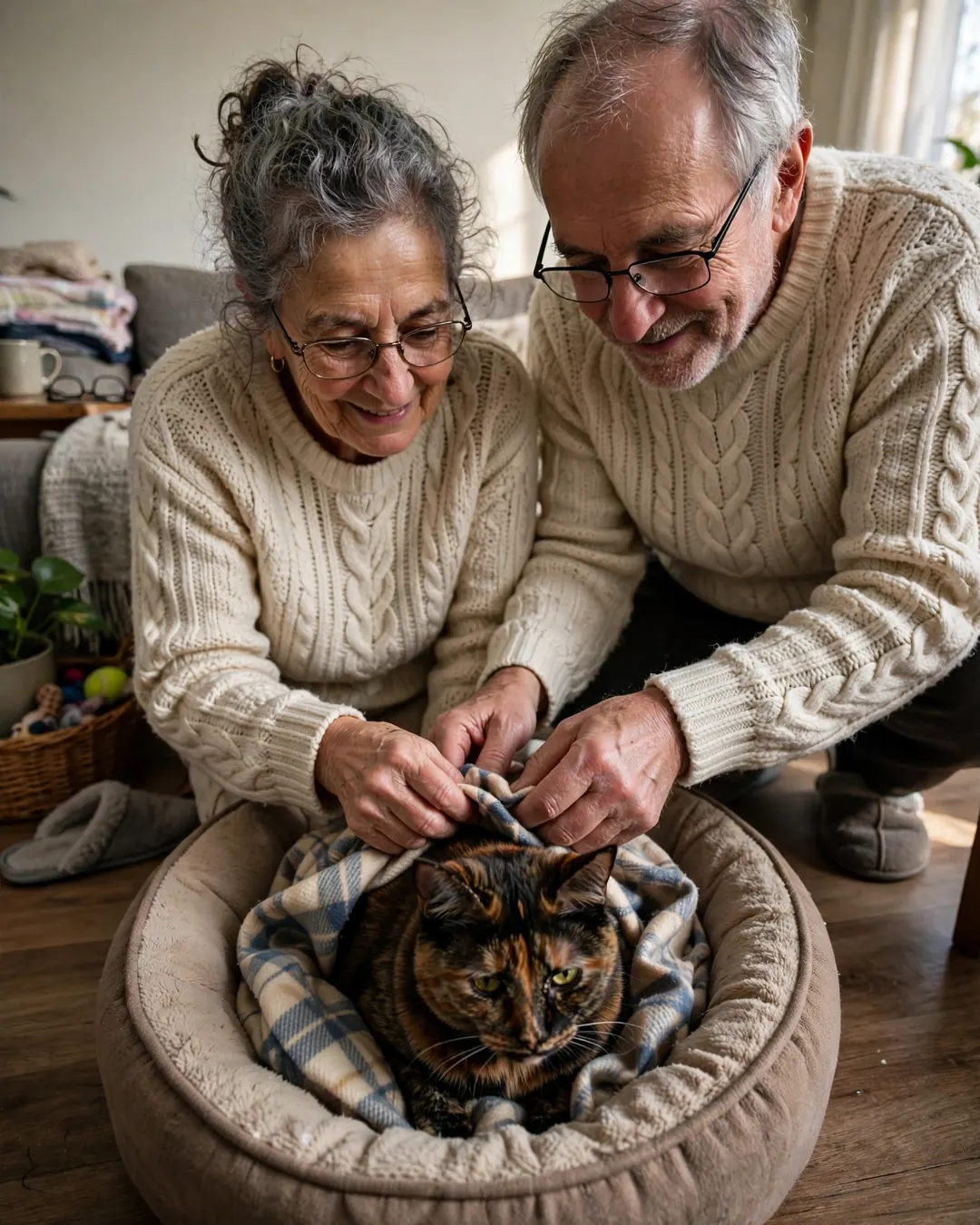
Cats should always travel in a secure, well-ventilated carrier, ideally strapped in or wedged in the footwell behind a front seat. A loose cat can hide under pedals or escape when a door opens. Covering part of the carrier with a light blanket helps many cats feel more secure.
Children's car seats come first
Children should be in a car seat appropriate for their age, height and weight, fitted according to the manufacturer's instructions. Place dogs so that they can't reach a child's face or climb over a car seat. A crate in the boot is often the simplest way to keep everyone in their own space.
Heat: the biggest danger
Cars heat up very quickly, even on mild days and even with the windows slightly open. Both pets and young children are vulnerable to heatstroke.
On hot days, travel at cooler times, use sunshades on rear windows, ensure air circulates to the back seats and the boot, and carry plenty of water for everyone.
Motion sickness
Puppies and some adult dogs get car sick, as do many young children. Signs in dogs include drooling, lip licking, yawning, restlessness and vomiting.
- Feed pets a light meal a few hours before travel rather than right before.
- Keep the car cool and well ventilated.
- Build up gradually with short, positive trips that end somewhere fun.
- Ask your vet about medication for dogs that are consistently sick; there are effective options.
Plan for breaks
On longer trips, stop every two hours or so. Children need a run around; dogs need a walk, toilet break and water. Always clip the lead on before opening the door — busy service areas are dangerous places for a dog to slip out.
A travel kit for pets
- Lead, harness and ID tag with your mobile number.
- Water and a travel bowl.
- Food and treats for longer trips.
- Poo bags and paper towels.
- Any regular medication.
- A familiar blanket or toy.
- Vaccination records if you'll be using kennels or crossing borders.
Keeping the peace in the back seat
Children and pets in close quarters for hours can get on each other's nerves. Give pets a space where children can't reach them, and give children activities that don't involve the dog. If your dog finds children's noise stressful, a crate with a cover in the boot may be more relaxing for it.
Arriving somewhere new
New places can be unsettling. When you arrive at holiday accommodation, check the garden for gaps in the fencing, set up the pet's bed and water first and give it time to sniff around before the children rush in.
In summary
Restrain pets properly, keep children in correct car seats, never leave anyone in a parked car, plan regular breaks and pack the essentials. With those habits, road trips can be among the best family memories — for the dog, too.