Teaching Toddlers to Be Gentle With Pets
Age-appropriate ways to teach young children how to touch, play with and respect the family dog or cat — plus the house rules that prevent bites and scratches.
Toddlers love animals, and they show it with enthusiasm: grabbing, squeezing, hugging, chasing and climbing. Most pets tolerate a surprising amount, but tolerance has limits, and children under five are the age group most likely to be bitten by a dog they know. Teaching gentle behaviour early protects your child, protects your pet and helps the relationship between them grow.
Toddlers cannot be expected to follow rules reliably on their own, so this is always a combination of teaching and supervision. The goal is to build good habits that become automatic as your child gets older.
Start with "gentle hands"
The simplest, most effective lesson is the open-hand stroke. Show your toddler how to stroke the pet slowly with a flat hand, in the direction the fur grows, on the shoulder or back. Avoid the head, face, tail, paws and belly at first — these are the areas many animals are most sensitive about.
Practise first on a soft toy. Say "gentle hands" and guide your child's hand. Then try it with the pet, with your hand over theirs. Keep each session very short — two or three strokes — and praise your child when they are gentle.
The "one, two, three, stop" rule
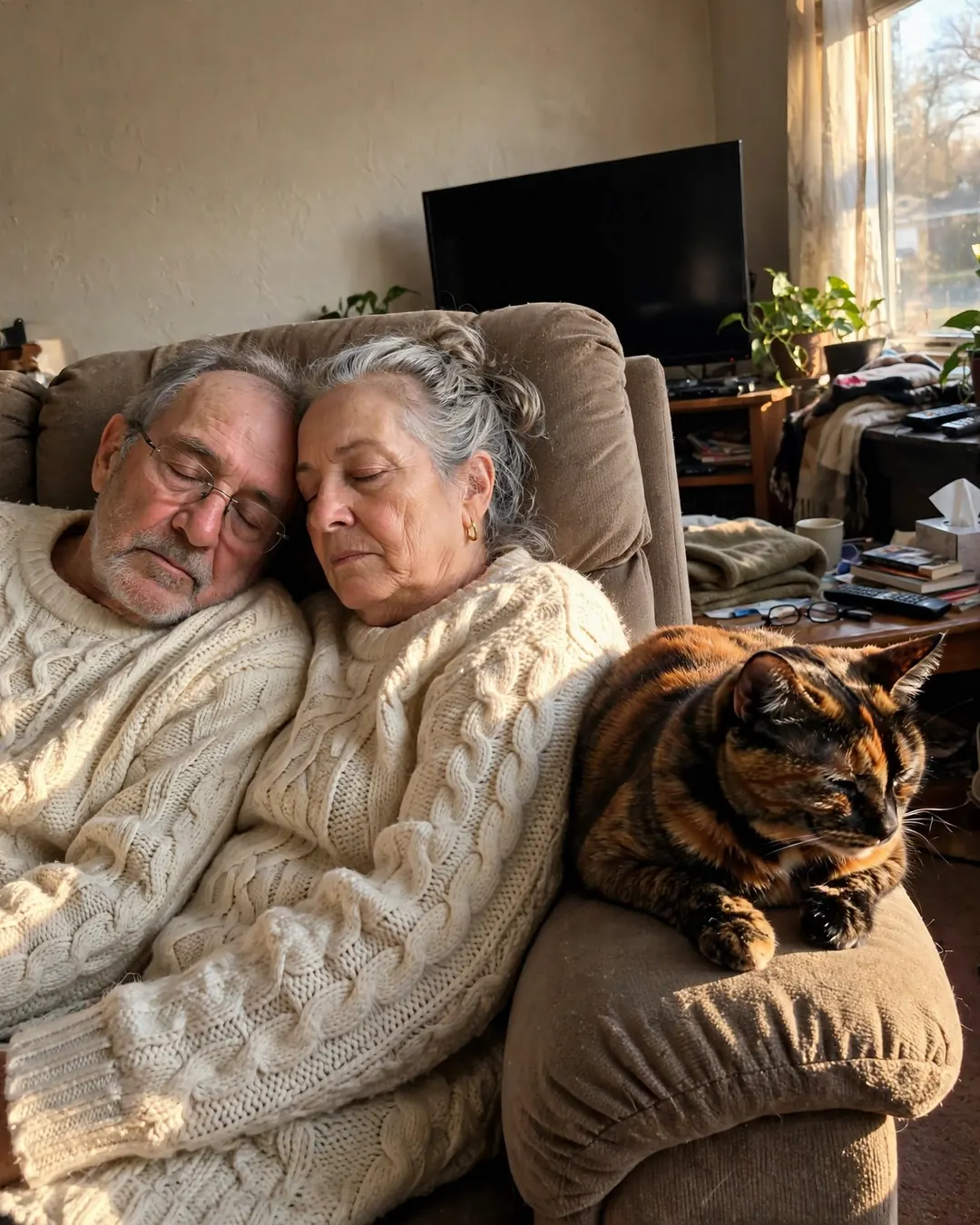
Animals often enjoy brief contact but get uncomfortable when it goes on too long. A useful technique for children is to stroke the pet three times and then stop. If the pet leans in or moves closer, it is asking for more. If it moves away, freezes or looks away, it has had enough. This teaches children to ask permission without words, and it gives the pet a way to say no.
Things toddlers should never do
Write your own short list of house rules and repeat them often. Common ones include:
- Never hug, kiss or put your face close to the pet's face.
- Never pick up the cat or small dog.
- Never pull tails, ears or fur, or poke eyes.
- Never sit or lie on the pet, or ride a dog.
- Never go near a pet that is eating, chewing a toy or sleeping.
- Never chase a pet that is walking away.
Hugs deserve special mention. Children show affection by hugging, but most dogs find being held around the neck confining and stressful. Many bites to children's faces happen during a hug from a child the dog knows well.
Give the pet a "safe zone"
Every pet in a home with a toddler needs somewhere the child is never allowed to go — a crate, a bed behind a gate, a high shelf or a cat tree. Teach your toddler that when the pet is in its safe zone, it is resting and must be left alone. Then enforce that rule consistently. A pet that can always retreat has far less reason to defend itself.
Supervise actively, not passively
Being in the same room is not the same as supervising. Active supervision means watching the interaction, close enough to step in. When you cannot do that — while cooking, on the phone, or in the shower — separate child and pet with a gate, a closed door or a crate.
Watch for signs that the pet is uncomfortable: lip licking, yawning, turning the head away, a stiff body, ears back, tail tucked, or for cats, a twitching tail and flattened ears. If you see these, calmly redirect your child and give the pet space.
Teach through play
Children learn best by doing. Ways to involve toddlers that build a positive relationship without risky contact:
- Helping with meals — letting your child pour kibble into the bowl (with an adult holding the bag), then stepping back while the pet eats.
- Tossing a ball — rolling or throwing a toy for the dog rather than wrestling.
- Treat scatter — dropping a treat on the floor for the pet to find.
- Brushing together — with a soft brush, an adult's hand on theirs, for a pet that enjoys grooming.
- Reading to the pet — a calm activity that many children love.
Model the behaviour you want
Toddlers copy adults. If parents wrestle with the dog, pick the cat up constantly or lie on top of a sleeping pet, children will do the same. Show calm, respectful handling, and narrate it: "Look, I'm stroking Max gently on his back. Max likes that."
When things go wrong
If your pet growls, hisses, swats or snaps, stay calm and separate them. Do not punish the pet for warning — warnings are what prevent bites. Instead, ask what led up to it and change the situation. If warnings happen more than occasionally, talk to your vet to rule out pain (a common and overlooked cause) and consider a reward-based behaviour professional.
Equally, avoid scolding your toddler harshly for mistakes; at this age they are learning. Calmly remove them, repeat the rule and try again later.
Building a lifelong friendship
Children who learn to respect animals early often grow into confident, caring pet owners. The investment is a few minutes of practice a day and a great deal of supervision — but it pays off in a home where both your child and your pet feel safe.