Kiddie Pools, Bath Time and Pets: Water Safety for Families
How to keep toddlers and pets safe around paddling pools, baths and garden ponds — supervision, hygiene and teaching pets to love (or avoid) the water.
Summer afternoons with a paddling pool, a toddler and a dog splashing about are some of the happiest family moments there are. They also combine two things that need constant attention: young children and water. This guide covers how to keep water play fun and safe for everyone — including the four-legged members of the family.
The non-negotiable: active supervision
Drowning is one of the leading causes of accidental death in young children, and it can happen in very shallow water — a few centimetres is enough. It is also silent. A child in trouble rarely splashes or calls for help.
- Stay within arm's reach of a toddler in or near any water, including paddling pools and baths.
- Avoid phones and other distractions while supervising.
- Empty paddling pools and buckets as soon as play ends, and store them upside down.
- Fence garden ponds and pools so that children cannot get through on their own.
A dog in the water adds a distraction and sometimes a hazard — a large, excited dog can knock a toddler over. If you are supervising both, it may be easier to let them take turns.
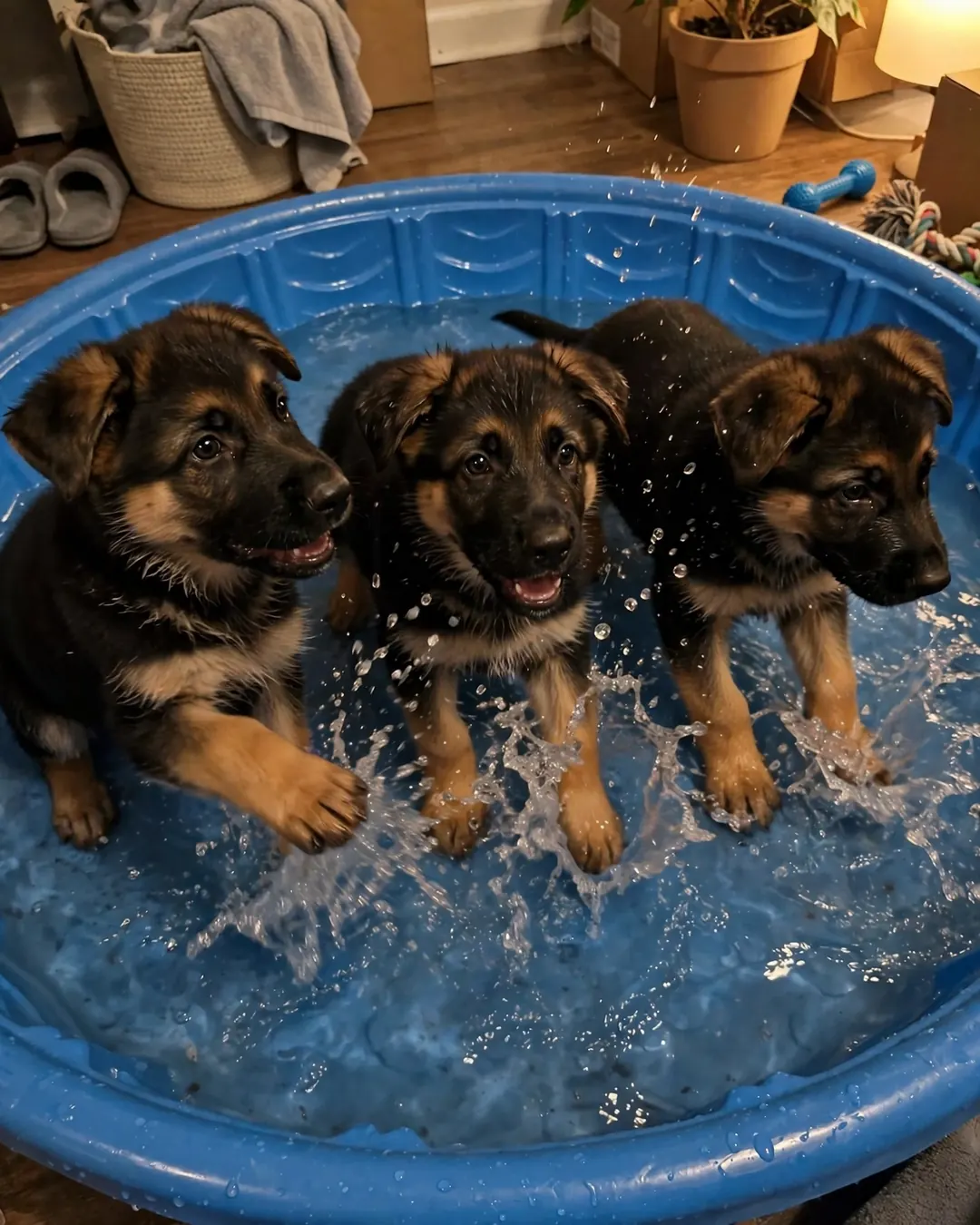
Pets in paddling pools
Many dogs love a cool paddle on a hot day. A few things make it safer and more pleasant:
- Choose a sturdy pool. Claws puncture thin inflatables easily; rigid plastic pools made for dogs last longer.
- Keep the water shallow so the dog can stand comfortably.
- Provide fresh drinking water separately. Dogs often drink pool water, which may contain sunscreen, dirt or bacteria.
- Change the water often. Shared water between dogs and children should be changed after each session.
- Watch for overexcitement. Some dogs become very boisterous in water, and play can turn rough.
Not every dog enjoys water, and many cats strongly dislike it. Never force a pet into the water or hold it in.
Hygiene when kids and pets share water
Dogs carry bacteria on their coats and paws, and young children tend to swallow water. To keep things clean:
- Avoid letting children and pets share the same water at the same time, or refresh the water between turns.
- Wash children's hands after play, especially before eating.
- Keep up with your pet's parasite prevention, which reduces some of the risks.
- Don't let pets drink from or swim in stagnant ponds, which can contain harmful algae or bacteria.
Blue-green algae
In warm weather, some ponds and lakes develop blooms of blue-green algae (cyanobacteria) that can be deadly to dogs, even in small amounts. Warning signs posted near water should always be taken seriously. If you are unsure, keep dogs out — and contact a vet urgently if your dog becomes ill after swimming.
Bath time with pets nearby
Pets are often curious about bath time. A cat may sit on the edge of the tub; a dog may try to climb in. Keep the bathroom door closed during a child's bath so that you can give your full attention to the child. Never leave a toddler in the bath to deal with a pet, even for a moment.
If you bathe your dog in the family bath, clean it thoroughly afterward before the children use it.
Heat safety
Water play usually happens on hot days, when heat is a risk for both children and pets.
- Dogs, especially flat-faced breeds such as French bulldogs and pugs, overheat easily. Provide shade and water, and avoid exercise in the hottest part of the day.
- Never leave a pet — or a child — in a parked car, even with the windows open.
- Hot paving can burn paws. If it is too hot for the back of your hand, it is too hot for a dog's feet.
Life jackets and boats
If your family spends time on boats or near open water, dogs benefit from a properly fitted canine life jacket with a handle on the back. Children should wear life jackets suitable for their weight whenever they are on or near open water. Practise in calm, shallow water first.
Teaching dogs a calm water routine
For dogs that get overexcited around water, practise a calm routine: ask for a sit before the dog is allowed in, use a release word, and call the dog out regularly for a treat. This makes play easier to manage and gives you an easy way to end a session when children need the pool to themselves.
A safe-summer checklist
- An adult watching the water at all times.
- Pools emptied after use.
- Shade and fresh drinking water for everyone.
- Separate or alternating water time for kids and pets.
- Hands washed after play.
- No pets or kids left in cars.
Water play can be a wonderful shared experience. A few firm habits keep it that way.