Grandpa Earl Rolled Out His Mat for Morning Stretches. Skye Rolled Out Right Beside Him.
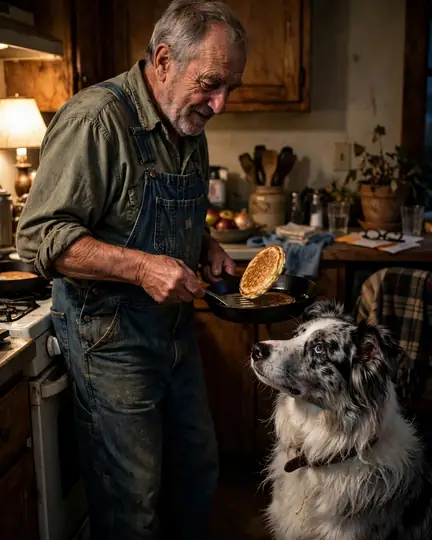
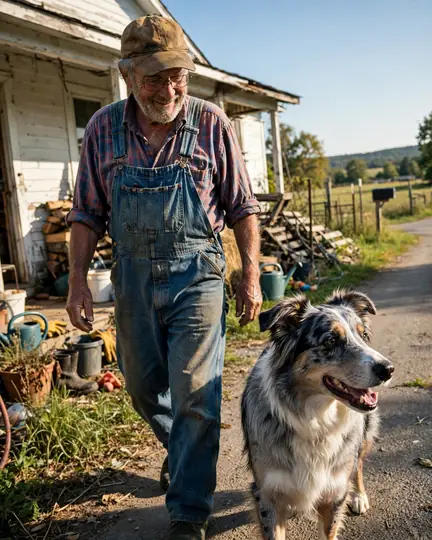
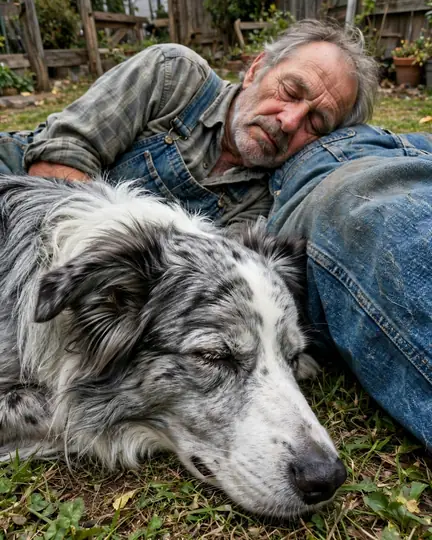
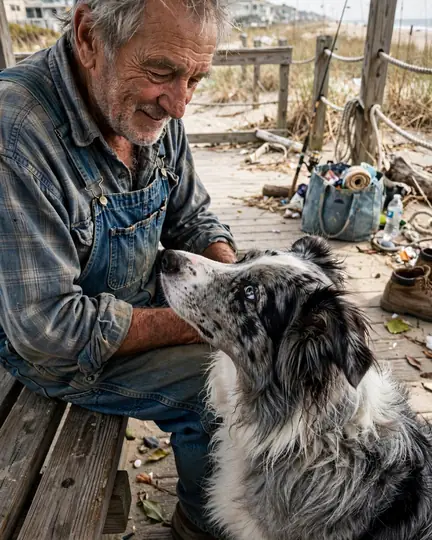
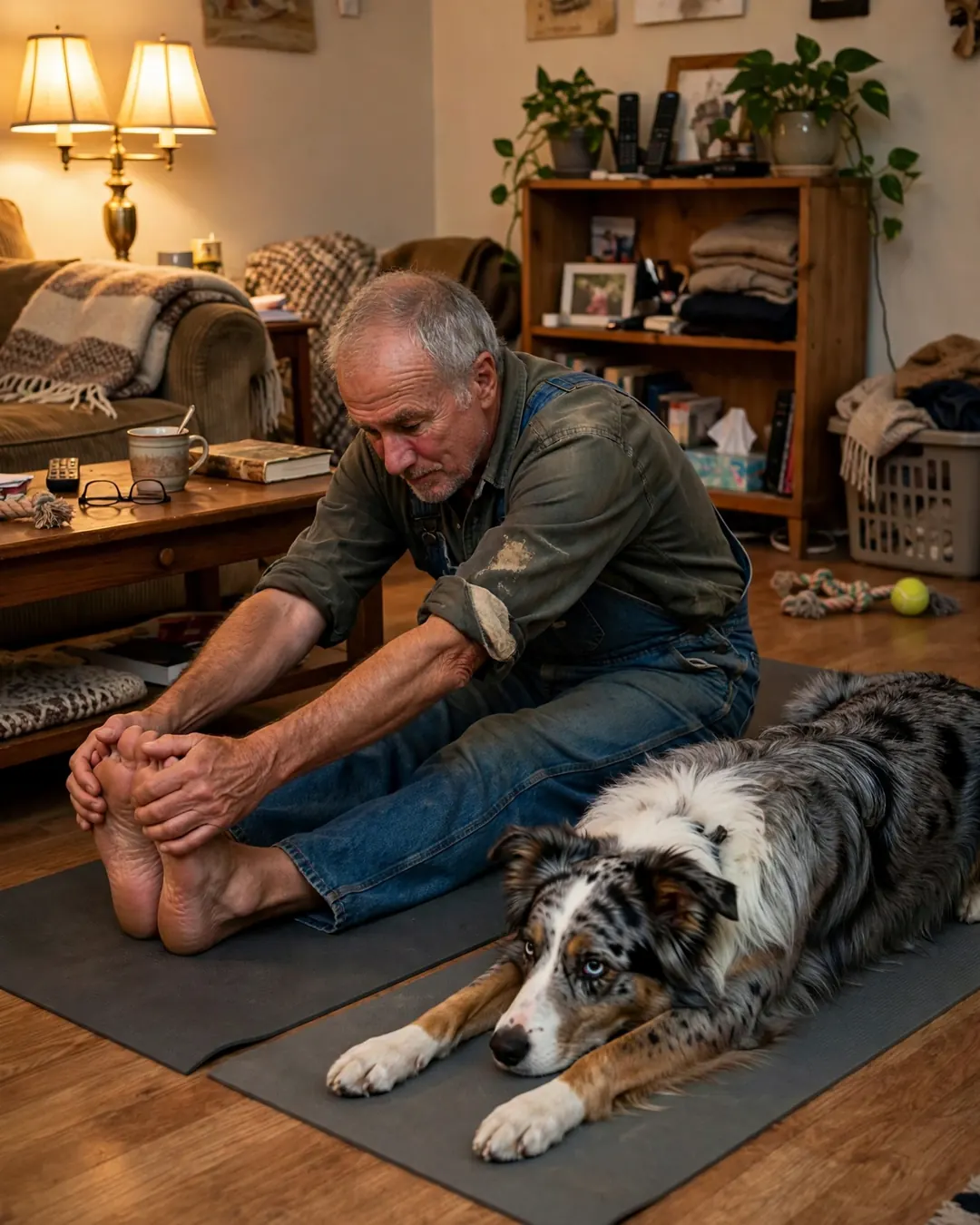
The coffee table has been pushed aside and two gray mats laid across the living room floor. Grandpa Earl sits on one with his legs out straight, bare feet together, leaning forward to grip his toes in a slow hamstring stretch. His face is focused and a little strained, the honest look of someone working on flexibility. On the mat beside him, Skye has stretched out too, front legs reaching long in front of her, head down and eyes turned up toward him. She may not be doing the same pose, but she has clearly decided she is part of the class. A tennis ball and a rope toy wait nearby in case the session turns into playtime.
Gentle stretching is often recommended for older adults to help maintain flexibility, balance, and comfort in everyday movement. Starting slowly, avoiding bouncing, and stopping if anything hurts are common-sense guidelines, and anyone with health concerns should check with their doctor before starting a new routine. Dogs naturally stretch too, often right after waking up. The familiar play bow, with front legs extended and rear in the air, doubles as a stretch and an invitation to play. If an older dog seems stiff or reluctant to stretch and move, it is worth mentioning to your vet.
Whether Skye is copying Earl or simply refusing to let him do anything alone, she makes an excellent workout partner. She never complains, never skips a session, and always shows up on time.
Next on the schedule: a well-earned rest on that very same mat.