British Shorthairs and Children: The Easy-Going Teddy Bear Cat
Temperament, handling preferences, grooming, weight management and health for the British Shorthair — a calm cat that suits many family homes.
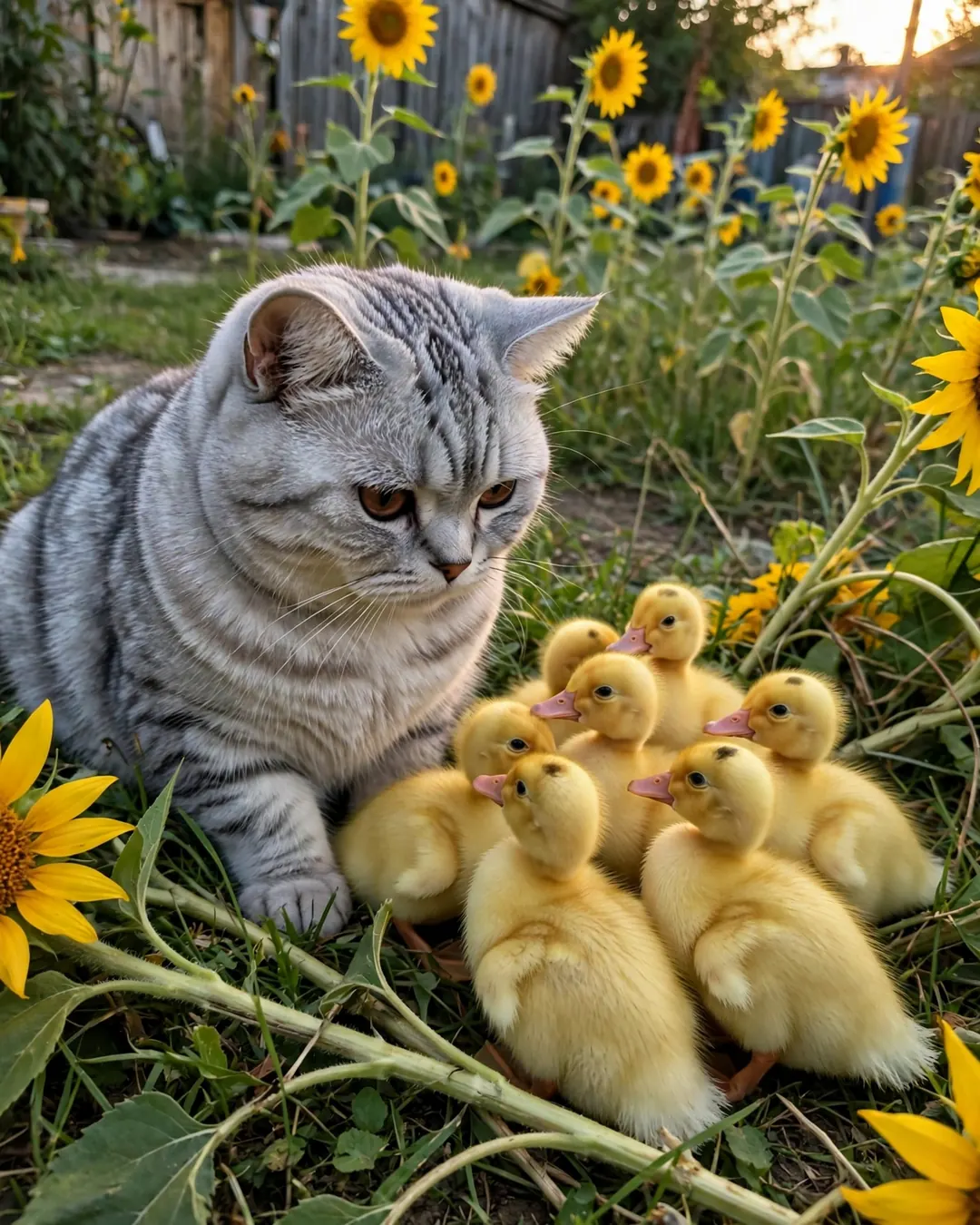
With their round faces, dense plush coats and sturdy builds, British Shorthairs are often compared to teddy bears. They are one of the most relaxed and undemanding cat breeds, which makes them popular with families. Understanding one quirk — many don't like being picked up — goes a long way toward a happy relationship with children.
Origins
The British Shorthair descends from the domestic cats of Britain and was one of the first breeds shown at cat shows in the late 19th century. The classic "British Blue" grey coat is the best known, but the breed comes in many colours and patterns.
Temperament
British Shorthairs are typically:
- Calm and easy-going, rarely hyperactive as adults.
- Affectionate without being clingy, happy to be near their family.
- Quiet, with a soft voice they don't use much.
- Independent, coping better than many breeds with time alone.
- Dignified — many prefer sitting beside you to sitting on you.
Kittens and young cats are playful, and many British Shorthairs keep a gentle playfulness throughout life, though at a slower pace than more active breeds.
The "four paws on the floor" preference
A common trait in the breed is a dislike of being picked up and carried. Many British Shorthairs are sturdy, heavy cats, and being lifted can feel insecure for them. In family homes, this is a useful rule for children anyway:
- Stroke the cat while it sits or lies on the floor or sofa.
- Don't pick it up, carry it or hold it on your lap if it wants to leave.
- Let the cat choose when to come for attention.
Cats that are allowed to control the interaction are generally more relaxed and more affectionate.
British Shorthairs and toddlers
Their calm temperament means many British Shorthairs tolerate a busy family household well. Still, provide:
- High resting places and quiet rooms the cat can retreat to.
- Supervision during toddler interactions.
- Gentle-hands rules for children — see our guide to teaching toddlers to be gentle.
Grooming
The dense, plush coat is low-maintenance but benefits from weekly brushing, more often during seasonal shedding, when the thick undercoat releases a lot of fur.
Weight management
British Shorthairs are prone to weight gain, especially once neutered and as they become less active with age. Their dense coat can disguise extra weight. Measure food carefully, use puzzle feeders and encourage daily play. Obesity raises the risk of diabetes, arthritis and other health problems.
Health
The breed is generally healthy, but known concerns include:
- Hypertrophic cardiomyopathy (HCM), a heart condition.
- Polycystic kidney disease (PKD), for which DNA testing is available.
- Dental disease.
Ask breeders about health screening. Typical lifespan is around 12–17 years.
Enrichment
Although they are less demanding than some breeds, British Shorthairs still need mental and physical stimulation: short daily play sessions, scratching posts, window perches and food puzzles keep them healthy and content.
Is a British Shorthair right for your family?
A British Shorthair may be ideal for families who want a calm, adaptable cat that is affectionate but not demanding. It may not suit families who want a very cuddly lap cat or an energetic, interactive companion.
In summary
The British Shorthair is a gentle, steady presence in a busy household. Respect its dislike of being carried, keep it trim and give it quiet spaces, and it can be an easy, rewarding family cat.