Persian Cats in Homes With Children: Calm, Cuddly and High-Maintenance
The Persian's quiet temperament, demanding grooming routine and flat-face health issues — what families need to know before bringing one home.
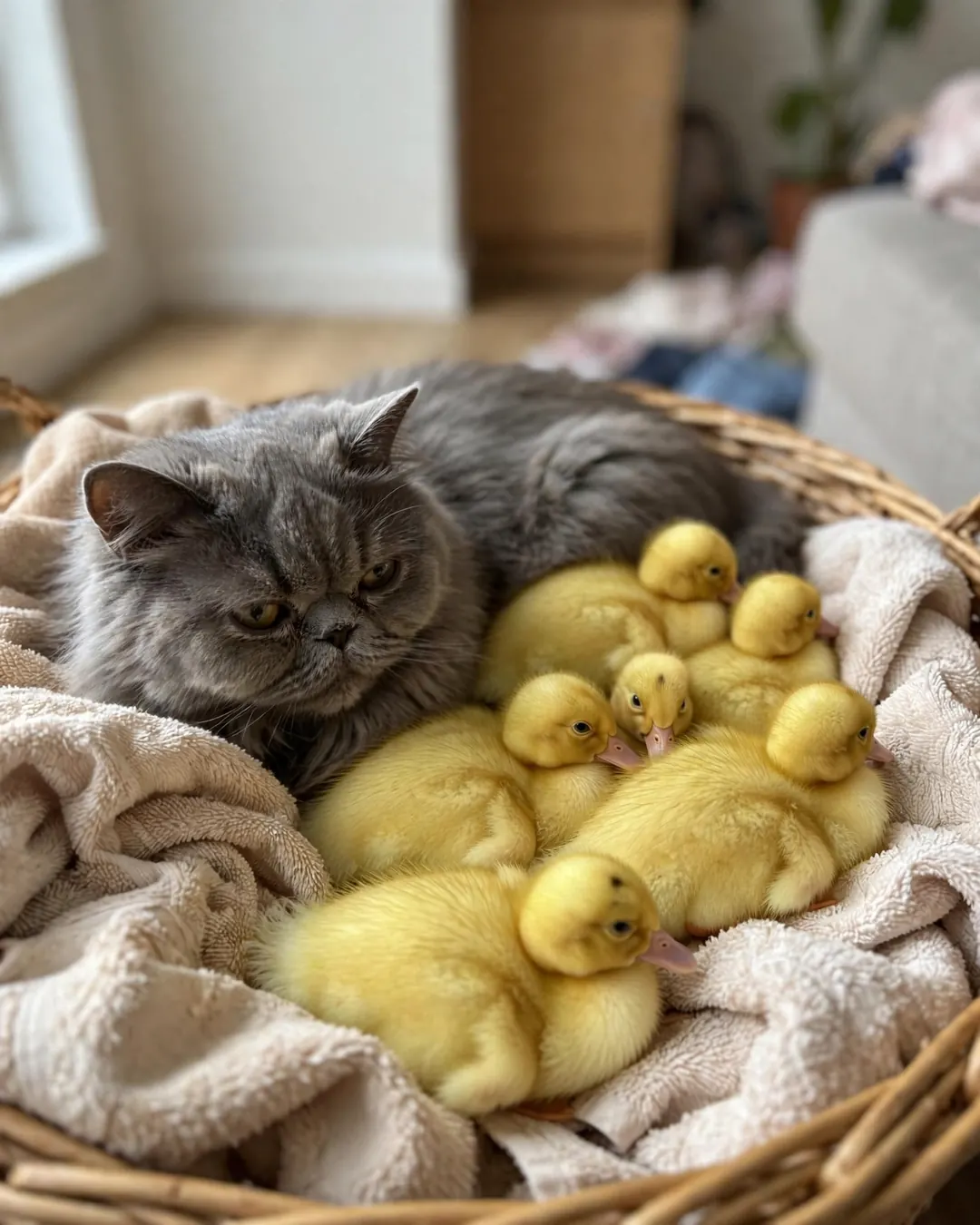
With their long, flowing coats, round faces and serene expressions, Persians are one of the most recognisable cat breeds. They are usually calm and affectionate, and many enjoy a quiet lap more than an adventure. For families, Persians can be a gentle companion — provided the household can manage their substantial grooming needs and understand their health risks.
Temperament
Persians are typically:
- Calm and gentle, preferring a predictable, peaceful environment.
- Affectionate, often bonding closely with their people.
- Less active than many breeds, though they still enjoy short play sessions.
- Sensitive to noise and chaos.
That last point is important in busy family homes. A Persian may find a toddler's noise and movement stressful. Plenty of quiet, child-free retreat spaces help.
Grooming: a daily task
The Persian's long, dense coat mats easily and cannot be maintained by the cat alone. Most Persians need:
- Daily brushing and combing, right down to the skin.
- Regular cleaning around the eyes, as tear staining is common.
- Hygiene trims around the rear to keep the coat clean.
- Professional grooming periodically; some owners choose a short "lion" or "teddy" clip.
Neglected coats quickly develop painful mats that can pull on the skin and may need to be shaved by a vet. If daily grooming isn't realistic for your household, a Persian is not the right cat.
Flat-face health concerns
Many Persians are brachycephalic, with a very flat face. This can lead to:
- Breathing difficulties and noisy breathing.
- Eye problems, including tear overflow and ulcers.
- Dental crowding and dental disease.
- Difficulty picking up food with their mouths.
Breeders who favour a less extreme, "doll-face" type may produce cats with fewer of these problems. Persians are also prone to polycystic kidney disease (PKD), an inherited condition for which a DNA test is available — ask breeders for proof of testing. Typical lifespan is around 12–15 years.
Heat sensitivity
Their thick coat and flat face mean Persians can struggle in hot weather. Keep the home cool, ensure water is always available and watch for heavy breathing or lethargy.
Persians and children
Persians usually tolerate gentle handling, but they do best with calm, older children. With toddlers:
- Teach gentle, open-handed strokes along the back.
- Never pick up the cat or pull its fur.
- Let the cat retreat when it chooses.
- Keep the litter box and food out of toddler reach.
Grooming can become a lovely shared activity with an older child, supervised by an adult.
Allergies
Persians shed a lot, and their long fur spreads around the home. They are not a good choice for families with cat allergies.
Indoor life
Most Persians are kept indoors, which suits their calm temperament and protects their coat. Provide scratching posts, window perches and interactive toys to keep them stimulated.
Is a Persian right for your family?
A Persian may suit a quieter family that enjoys daily grooming routines and wants a calm, affectionate indoor cat. It may not suit a very busy, noisy household with toddlers, or families who can't commit to daily coat care.
In summary
Persians are gentle, loving companions that need time, care and a peaceful corner of the house. Understand the grooming and health commitments before you fall for that sweet face.