Siamese Cats and Families: Talkative, Clever and Very Social
The Siamese cat's vocal, people-loving personality, enrichment needs and health considerations — and how they fit into a home with young children.
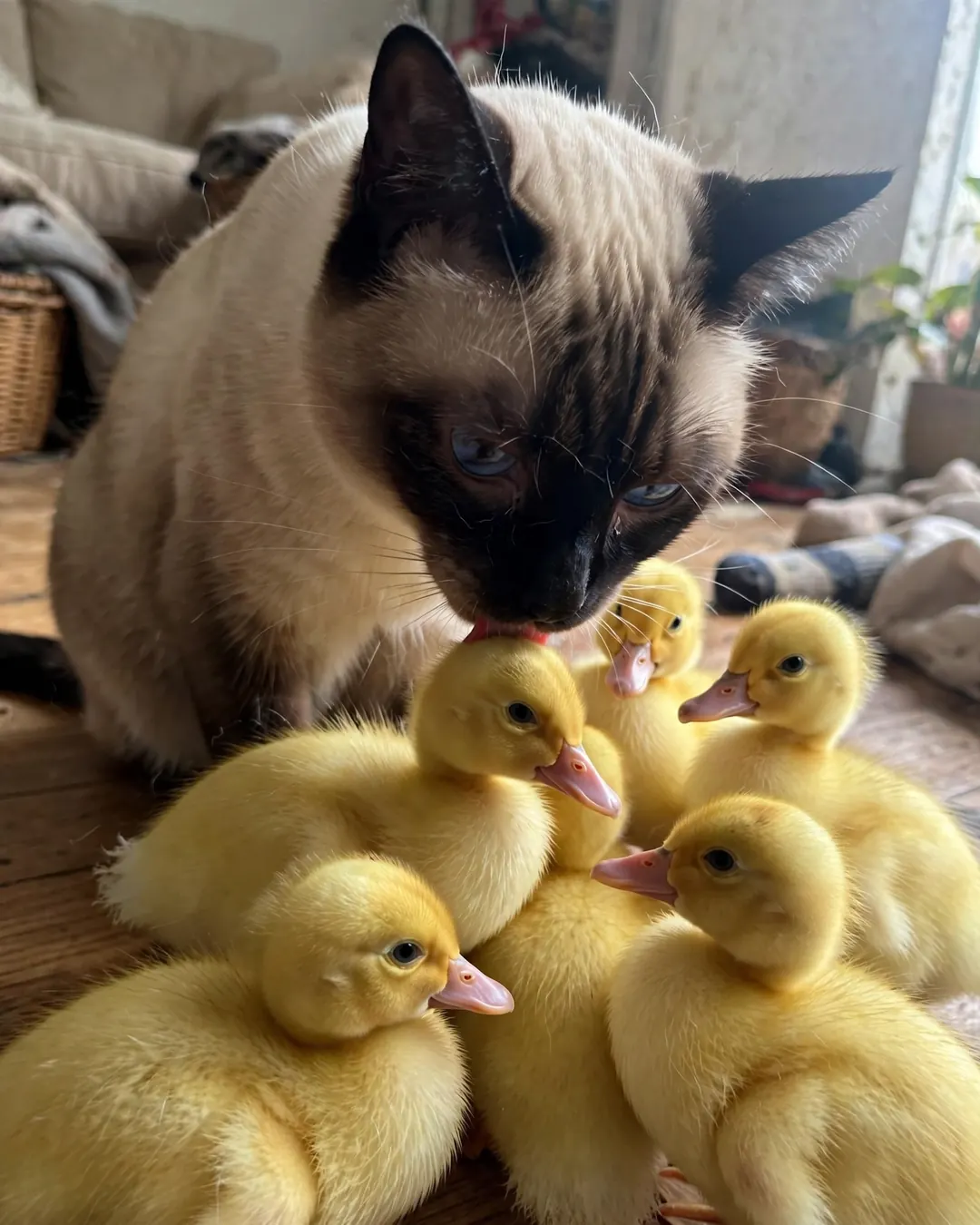
Siamese cats are instantly recognisable with their blue almond-shaped eyes, sleek bodies and pale coats with darker "points" on the face, ears, paws and tail. They are just as well known for their personalities: talkative, intelligent and intensely social. For an active family that wants an engaged, interactive cat, a Siamese can be a delight.
Personality
Siamese cats are typically:
- Very vocal, with a loud, distinctive voice they use often.
- People-oriented, following family members around and wanting to be involved.
- Intelligent and curious, capable of learning tricks, opening cupboards and solving puzzles.
- Playful well into adulthood.
- Prone to loneliness if left alone for long periods.
The colour points
The Siamese coat pattern is caused by a temperature-sensitive enzyme: pigment develops more in cooler parts of the body, like the face, ears, paws and tail. Kittens are born almost entirely white, and points darken with age. Traditional point colours include seal, chocolate, blue and lilac.
Siamese cats and children
Siamese often enjoy the activity and attention of family life. Their playful nature can make them great companions for older children who enjoy games. With toddlers:
- Supervise interactions and teach gentle handling.
- Provide high perches and quiet spaces the cat can use to escape.
- Watch for overstimulation; a playful Siamese may nip or swat if play gets too rough.
- Teach children to play with wand toys rather than with hands, to avoid scratches.
Enrichment needs
A bored Siamese can become noisy or mischievous. Keep them busy with:
- Daily interactive play sessions with wand toys.
- Puzzle feeders and treat-dispensing toys.
- Cat trees and window perches.
- Clicker training — many Siamese learn tricks enthusiastically.
- Another cat for company, if your household is out a lot.
Grooming
The short, fine coat is easy to care for; a weekly brush is usually enough. Siamese shed less than many long-haired cats, though they are not hypoallergenic.
Health considerations
Siamese cats are generally long-lived, often reaching 15 years or more. Breed-associated issues can include:
- Dental disease.
- Respiratory conditions, including asthma.
- Certain heart conditions.
- Progressive retinal atrophy, an inherited eye condition, in some lines.
- Amyloidosis, a condition that can affect the liver.
Modern show-type Siamese with very wedge-shaped heads may have more dental and respiratory issues than "traditional" or "applehead" types. Ask breeders about health testing and the health of related cats.
Living with the voice
Prospective owners should take the vocal nature seriously. Siamese cats often chat, demand attention and announce their opinions loudly — sometimes early in the morning. If you live in a small apartment with thin walls or need a quiet home for a sleeping baby, consider whether this will suit you.
Is a Siamese right for your family?
A Siamese may be a good match if your household is lively and around for much of the day, you enjoy an interactive, talkative pet and you can provide plenty of play and stimulation. It may be less suitable for families who are often out or who prefer a quiet, independent cat.
In summary
Siamese cats bring brains, chatter and affection to family life. Meet their need for company and stimulation, set gentle boundaries with young children, and you will have a devoted, entertaining companion.