Small Dogs and Toddlers: Chihuahuas, Pomeranians, Maltese and Bichons
Why tiny breeds need special care around young children, plus temperament notes on four popular toy and small breeds and how to keep both safe.
Small dogs seem like a natural fit for families: easy to carry, comfortable in small homes and less likely to knock a toddler over. In practice, very small breeds and very young children can be a tricky mix. Toy dogs are easily injured by an enthusiastic child, and a frightened small dog is more likely to snap. This guide covers the general principles and four popular small breeds.
The core issue: fragility
A toy breed may weigh 2–4 kg. A toddler falling on it, stepping on it or dropping it can cause fractures or serious injury. Small dogs also tend to be picked up a lot, which many dislike. When they feel they cannot escape, some resort to snapping.
House rules for small dogs in homes with toddlers:
- Children never pick up the dog; cuddles happen with the child sitting on the floor.
- The dog has a safe, raised or gated area the child cannot reach.
- Adults supervise all interactions.
- Avoid letting the dog jump down from sofas or beds, which can injure small legs.
Many breeders and rescues recommend that toy breeds go to homes with older children. If you already have both, management and supervision are key.
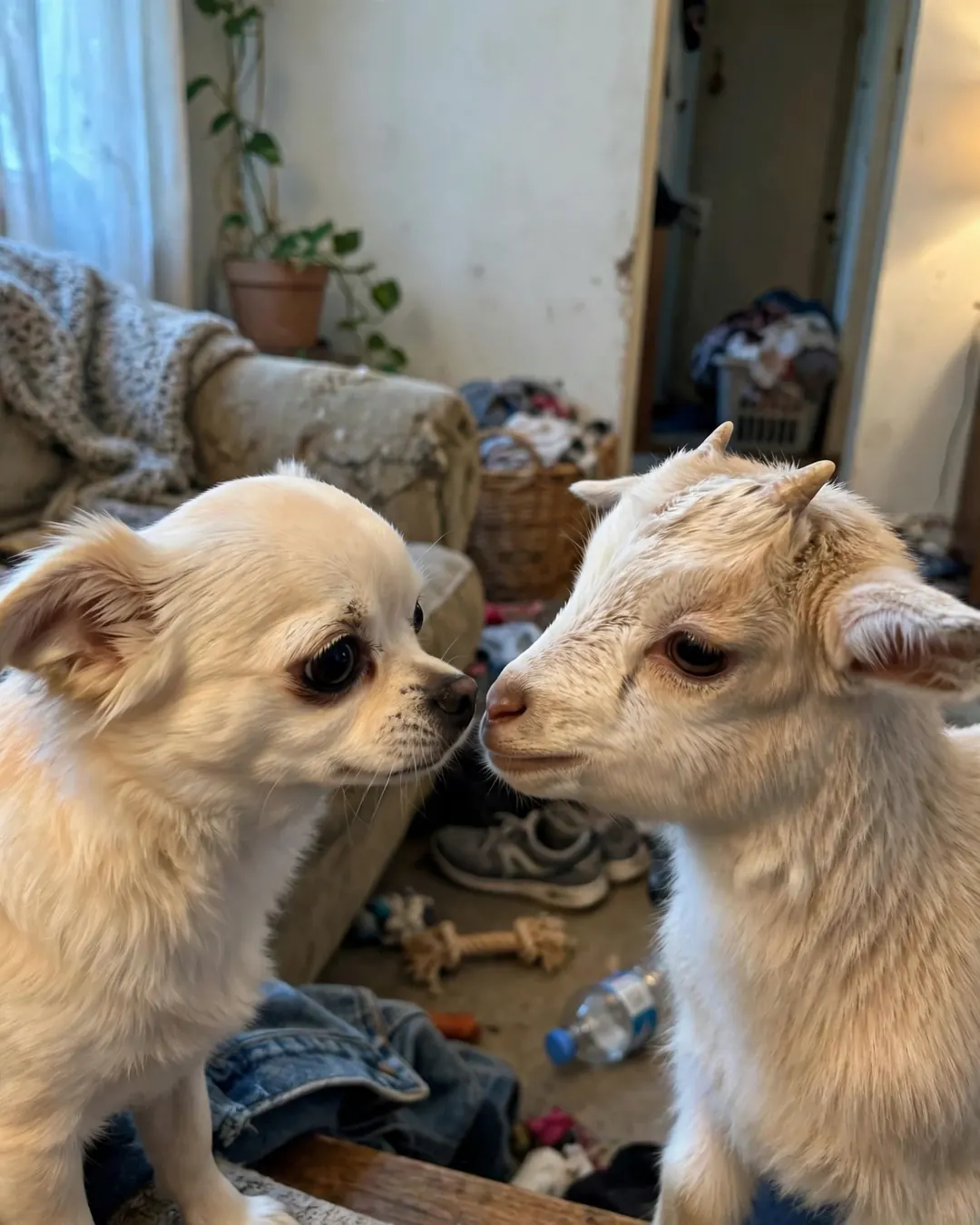
Chihuahua
The world's smallest breed is often bold, loyal and very attached to one or two people. Chihuahuas can be wary of strangers and of fast-moving children, and may bark or snap if frightened. They feel the cold, need dental care (crowded teeth are common) and are prone to kneecap problems (patellar luxation). Lifespans often exceed 14 years. Best suited to homes with calm, older children.
Pomeranian
Poms are lively, curious and often very vocal. Their thick double coat needs regular brushing. They can be fragile, with common concerns including patellar luxation, dental disease, tracheal collapse (use a harness rather than a collar) and a coat condition known as alopecia X. Poms are generally friendly but may become overwhelmed by boisterous toddlers.
Maltese
The Maltese is gentle, affectionate and playful, with a long, silky white coat that sheds very little but needs daily grooming or a short practical clip. They can suffer from tear staining, dental disease and patellar luxation. Many Maltese do well with older, gentle children; with toddlers, the usual fragility cautions apply.
Bichon Frise
Slightly sturdier than the true toy breeds, Bichons are cheerful, sociable and usually tolerant. Their curly, low-shedding coat requires regular professional grooming and frequent brushing to prevent matting. Health concerns include allergies, dental disease and bladder stones. Bichons are often considered among the more family-friendly small breeds, but toddlers still need supervision.
Training small dogs
Small dogs need the same training as big ones, but they often don't receive it because their misbehaviour seems less serious. Teaching a small dog to settle, come when called, accept handling and walk nicely on a lead makes life easier for everyone — and reduces stress-related snapping.
Avoid carrying small dogs everywhere. Letting them walk and explore builds confidence.
Dental care
Small breeds are particularly prone to dental disease. Daily tooth brushing with dog toothpaste, dental chews and regular vet checks help prevent painful problems. Pain from bad teeth can make any dog grumpier around children.
Signs your small dog is stressed
Watch for lip licking, yawning, trembling, hiding, growling or trying to escape when children approach. Respect these signals by giving the dog space. Our guide to dog body language explains the warning signs in detail.
Choosing a small breed for a family
If you have toddlers and are set on a small dog, consider:
- A sturdier small breed rather than the tiniest toy breeds.
- An adult dog with a known history of living calmly with children.
- Whether you can supervise consistently and enforce "no picking up".
In summary
Small dogs can be wonderful companions, but their size makes them vulnerable around young children. Protect them with clear rules, safe spaces and supervision, and choose a breed and individual temperament that suits your family's stage of life.