Pets, Cribs and Safe Sleep: What Every Parent Should Know
Why pets should be kept away from sleeping babies, how to set up a pet-proof sleep space, and how to handle naps and bedtime in a multi-pet home.
Few images are as instantly endearing as a dog lying beside a crib or a cat curled up next to a sleeping baby. Online videos and pictures like these collect millions of views. They also show the opposite of what infant safe-sleep guidance recommends. This article explains why, and how to set up your home so that pets and babies can share a household without sharing a sleep space.
The basics of infant safe sleep
Paediatric health organisations give consistent advice for reducing the risk of sudden unexpected infant death. A baby should sleep:
- On their back, for every sleep, including naps.
- On a firm, flat mattress in a cot, crib or bassinet that meets safety standards.
- With no pillows, bumpers, soft toys or loose bedding in the sleep space.
- In the parents' room, but on a separate surface, ideally for at least the first six months.
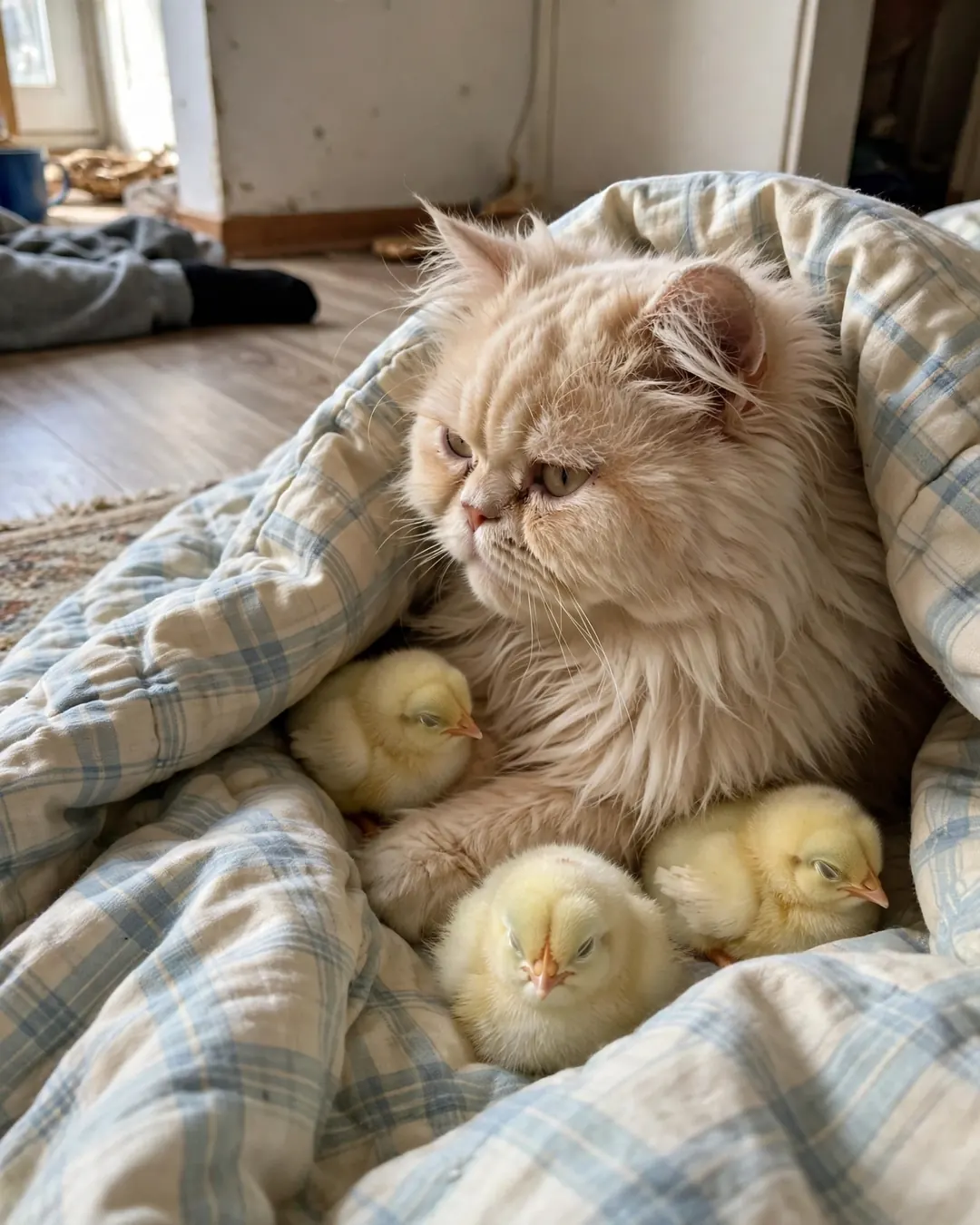
A pet in or against the cot adds exactly the things the guidance tries to remove: soft bodies, fur and warmth. A cat that lies on or beside a baby's face can obstruct breathing, and a sleeping infant cannot move away.
Why cats in particular are drawn to cots
Cats seek warm, enclosed, elevated places that smell familiar. A cot ticks every box. It is not a myth that cats will climb in with a baby; they are simply following instincts. This is not jealousy or malice — but it is a genuine risk, and it is why prevention matters more than trust.
Setting up a pet-proof sleep space
The most reliable approach is physical: if the pet cannot get to the sleep space, the problem cannot happen.
- Close the nursery door during sleep, and use a baby monitor so you can still hear and see.
- Use a screen door or a tall gate if you prefer the door open for airflow. Check that your cat cannot climb or jump it.
- Cot tents made specifically for keeping pets out are available, but must be designed for that purpose and fitted exactly as instructed. Never improvise with netting or blankets.
- Keep the cot empty of anything a pet might want — no blankets left draped, no toys or treats nearby.
- Make the cot uninteresting before the birth by keeping the cat out of the room or off the cot from the start, so it never becomes a favourite spot.
Bed-sharing and pets
If parents choose to share a bed with their baby, health guidance is clear that pets should not be in the bed at the same time. A pet moving at night can disturb bedding or lie against the baby. Many families find it easier to move pets to their own beds well before the birth, so the change isn't tied to the baby's arrival.
Naps in other rooms
Daytime naps are where good habits often slip — in a pram, a car seat brought inside, a bouncer or on the sofa. These are not safe sleep spaces for unsupervised naps, and a curious pet can easily reach them. If your baby falls asleep somewhere other than their cot, move them to a safe sleep space or stay with them while they sleep.
What about dogs that "guard" the baby?
Some dogs choose to lie outside the nursery door or near the cot. Lying calmly outside a closed door or gate is fine and often lovely to see. What should be avoided is a dog inside the room with a sleeping, unsupervised baby. Dogs can be startled awake, may try to lick or nudge, or may climb up to investigate a sound. Even a gentle dog is still an animal with fast reflexes.
Planning for night feeds
Middle-of-the-night routines are when exhausted parents are most likely to forget a gate or door. A few habits help:
- Settle pets in their own sleeping area before the baby's bedtime.
- Keep a nightlight so you can check the room quickly.
- If you feed the baby in a chair or bed, make sure no pet joins you before you risk dozing off.
As babies grow
Safe-sleep guidance applies most strictly to the first year. As children grow, the specific risks change, but supervision still matters. Toddlers can pull on pets, and pets may defend a sleeping spot. Teaching both sides to respect each other's space — and giving pets places a toddler cannot reach — keeps bedtime peaceful.
Summary
Pets and babies can live together happily, but sleep is one area where there is no room for compromise. Keep pets out of the cot and the nursery during sleep, use doors, gates or purpose-built covers, and treat the cute videos as entertainment rather than examples. If you have questions about your child's sleep setup, your paediatrician or health visitor is the best person to ask.