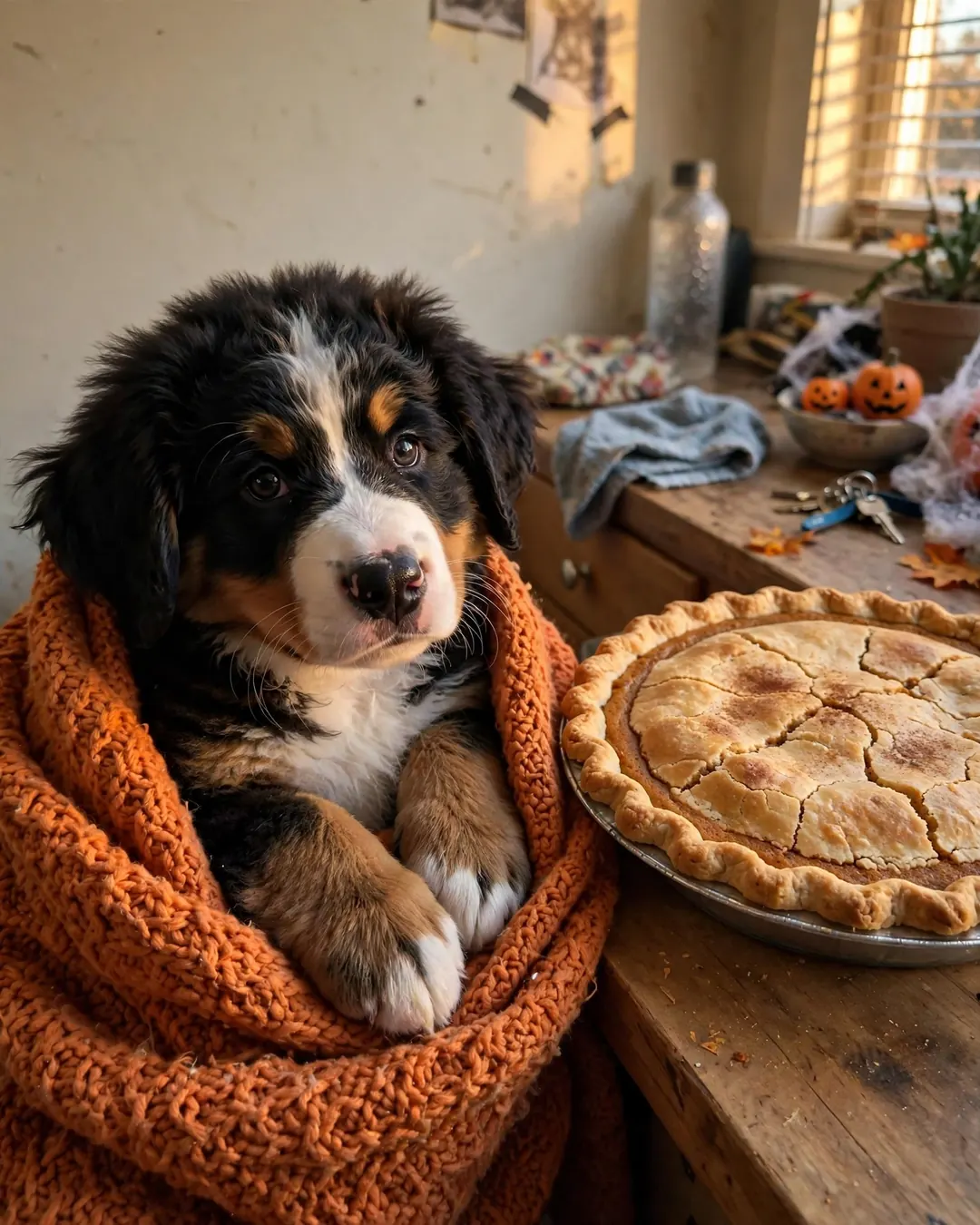
Reading Dog Body Language: A Parent's Guide to Stress Signals
The early warning signs dogs give before a growl or a snap, how the "ladder of aggression" works, and what to do when you see them around children.
Dogs communicate constantly, but mostly with their bodies rather than their voices. By the time a dog growls, it has usually already said "I'm not comfortable" several times in quieter ways. Parents who learn to read those quieter signals can step in early, long before anyone gets hurt.
This guide covers the most important signals to know, how they fit together, and how to respond calmly.
Look at the whole dog
A single signal on its own rarely tells the full story. A yawn can mean tiredness; a wagging tail can mean excitement or tension. The trick is to look at the whole body and the situation: what is the dog's posture, face, ears and tail doing, and what just happened?
A relaxed dog generally has a loose, wiggly body, a soft face, a slightly open mouth, and ears in their natural position. A stressed dog tends to become stiffer, tighter and more still.
Early, quiet signals
These subtle signs are often called calming or appeasement signals. They usually mean the dog is uneasy and is trying to diffuse the situation:
- Lip licking — quick flicks of the tongue, especially when no food is around.
- Yawning in a situation where the dog isn't tired.
- Turning the head away or looking away from a child.
- Whale eye — the whites of the eyes showing as the dog keeps its head turned but watches you.
- Ears pulled back or flattened.
- Sniffing the ground suddenly in the middle of an interaction.
- Lifting a front paw.
- Moving away or trying to leave.
If you see one or more of these when your child is touching or approaching the dog, it is time to calmly end the interaction.
Escalating signals
If the quiet signals are ignored, many dogs move on to clearer ones:
- Freezing or going suddenly still.
- A stiff, raised tail, sometimes with a slow, tight wag.
- Hard staring.
- Lip lifting to show teeth.
- Growling.
- Snapping — an air snap or a quick bite without holding.
Behaviourists often describe this progression as a ladder: dogs climb it step by step when lower steps don't work. The important point is that every step lower down the ladder is an opportunity for an adult to intervene.
Never punish a growl
It is natural to want to scold a dog that growls at a child. But a growl is valuable information. If a dog is punished for growling, it may learn to stay silent — and the next time it feels overwhelmed, it may skip straight to snapping. Instead, treat a growl as a signal to change the situation: move the child away, give the dog space, and think about what caused it.
Common triggers around children
Many incidents follow a predictable pattern. Be especially alert when:
- The dog is eating, chewing a bone or holding a toy.
- The dog is sleeping or resting, especially if woken suddenly.
- A child hugs, kisses or leans over the dog.
- A child approaches the dog in its bed or crate.
- The dog is old, sore or unwell — pain lowers tolerance dramatically.
- There is excitement and noise — parties, visitors, running games.
What a relaxed dog looks like with a child
It is just as useful to know what good looks like. A dog that is comfortable around a child tends to approach on its own, with a soft face and loose body, may lean in for strokes, and moves away freely when it has had enough. The ideal interactions are ones the dog chooses to start and is free to end.
Teaching children to read dogs
Older children can learn the basics surprisingly well. Simple rules such as "if the dog yawns, licks its lips or looks away, give it a break" are easy to remember. Picture books and games where children spot "happy dog" and "worried dog" faces can help. For toddlers, the responsibility sits entirely with the adults.
When to get help
If your dog shows escalating signals often, or has snapped or bitten, book a vet check first — pain, ear infections, dental problems and arthritis are frequent hidden causes. Then work with a qualified behaviour professional who uses reward-based methods. Avoid trainers who rely on punishment, which tends to increase fear.
The takeaway
Dogs almost always give warnings. Learning to read the quiet ones means you rarely need to hear the loud ones. Watch the whole dog, respect its signals, give it space to retreat, and supervise every interaction with young children.