Why Do Cats Love Boxes? The Behaviour Behind the Internet's Favourite Habit
Security, warmth, hunting instincts and stress relief — what we know about why cats squeeze into boxes, and how to use it to make your cat happier.
Order something expensive for your cat and there is a good chance it will ignore the gift and sit in the box. The habit is so universal that "if I fits, I sits" has become an internet catchphrase. It is not random, though. Cats' love of boxes follows naturally from how they evolved, how they handle stress and how they regulate temperature.
A safe place to hide
Cats are both predators and prey. In the wild, smaller cats need to watch for larger animals while also ambushing their own prey. An enclosed space with solid walls offers protection on several sides and a clear view of whatever approaches from the front. For a domestic cat, a box serves exactly that purpose.
Research in animal shelters has supported this. A study of newly arrived shelter cats found that those given hiding boxes appeared to adapt to their new environment faster and showed lower stress scores in the first days than cats without them. The effect became smaller over time, but it suggests boxes give cats a useful way to cope with an unfamiliar situation.
Warmth
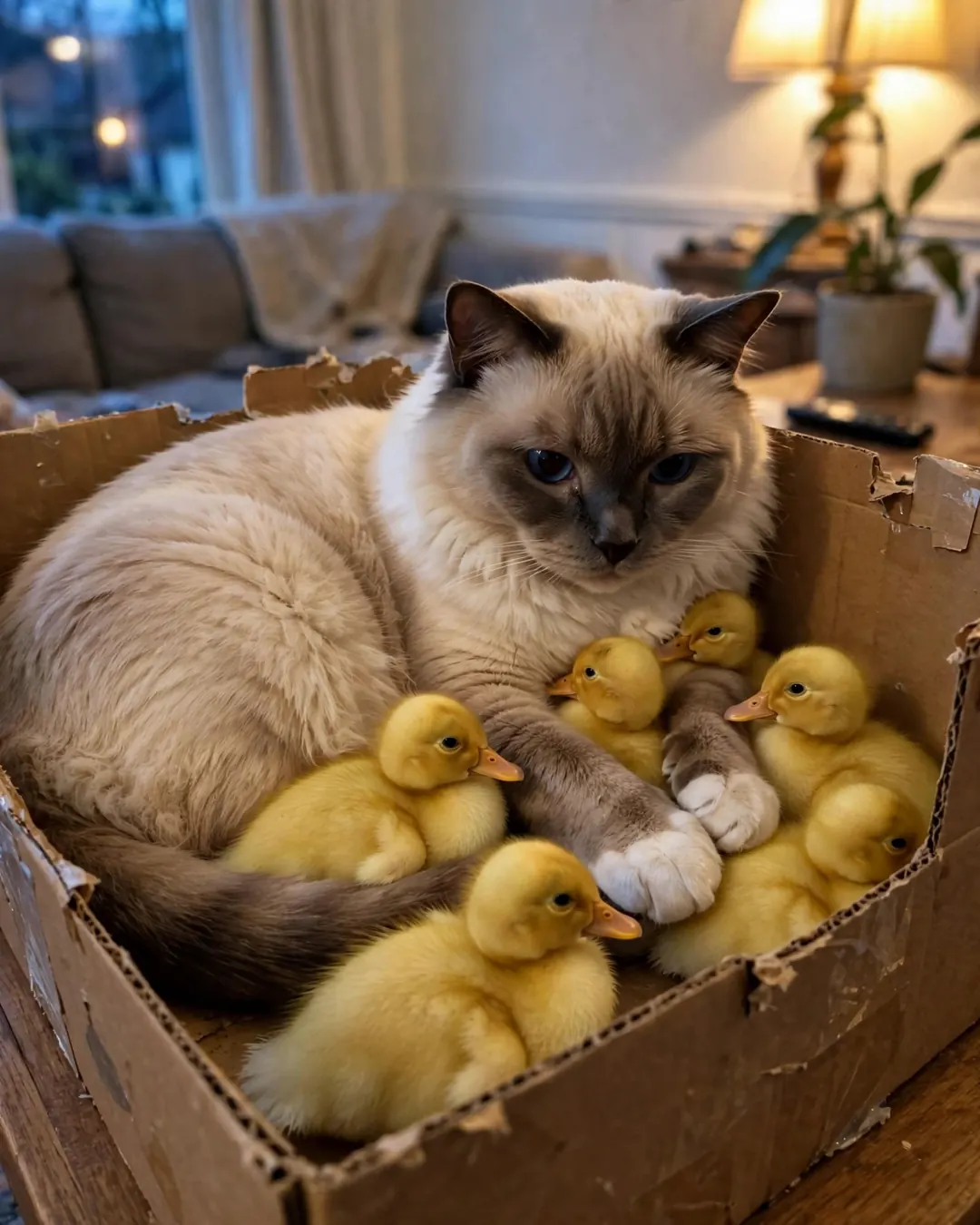
Cats are comfortable at warmer temperatures than people are. Their thermoneutral zone — the range in which they don't need to spend extra energy keeping warm — is higher than ours. Cardboard is a decent insulator, and a small, enclosed space traps body heat. Curling up in a box is an efficient way to stay cosy, which may explain why cats so often choose boxes that look far too small.
Hunting instincts
Cats are ambush hunters. They prefer to watch from concealment and then pounce. A box is a perfect hide for this, which is why many cats will sit in one and swat at passing feet, toys or other pets. Play that taps into this instinct is good exercise and mental stimulation.
Squeezing into small spaces
The "if I fits, I sits" behaviour has an interesting twist. In a citizen-science study, researchers asked owners to place squares outlined with tape on the floor, along with an illusory square shape created with cut-outs. A number of cats chose to sit inside the illusory outline, suggesting that cats may be drawn to enclosed-looking shapes even when there are no real walls. The study was small, but it fits with what owners see every day.
Boxes and stress
Changes such as moving house, a new baby, visitors or a new pet can unsettle cats. A familiar box or covered bed in a quiet place gives a stressed cat somewhere to retreat and observe. This is one reason we recommend that families with babies and toddlers make sure their cats always have hiding places that children can't reach.
Making the most of the box habit
You can use your cat's fondness for boxes to improve its quality of life:
- Offer several hiding spots around the house, including at least one elevated one.
- Create a "box fort" by cutting entry holes in a few connected boxes.
- Hide treats or toys inside a box to encourage foraging and play.
- Rotate boxes occasionally; a new one often brings renewed interest.
- Place a box in a sunny spot for a warm nap location.
A few safety notes
- Remove staples, tape and plastic packaging before offering a box.
- Avoid boxes that can collapse with the cat inside or be closed accidentally.
- Keep plastic bags away from cats, who may chew them or get tangled.
- In homes with toddlers, teach children not to close, carry or shake a box with the cat in it.
When hiding becomes a problem
Occasional hiding is normal. A cat that suddenly hides much more than usual, stops eating, or seems reluctant to come out may be ill or in pain. Cats are good at masking discomfort, so a change in hiding behaviour is worth a vet visit.
The simple answer
Cats love boxes because they feel safe, warm and ready to pounce. Far from being a quirk, the habit is a window into what cats need: secure places to rest and observe. Giving your cat a few good boxes is one of the cheapest and most effective ways to keep it content.