Why Do Dogs Get the Zoomies?
What "frenetic random activity periods" are, when and why dogs get them, whether they're anything to worry about, and how to keep zoomies safe around small children.
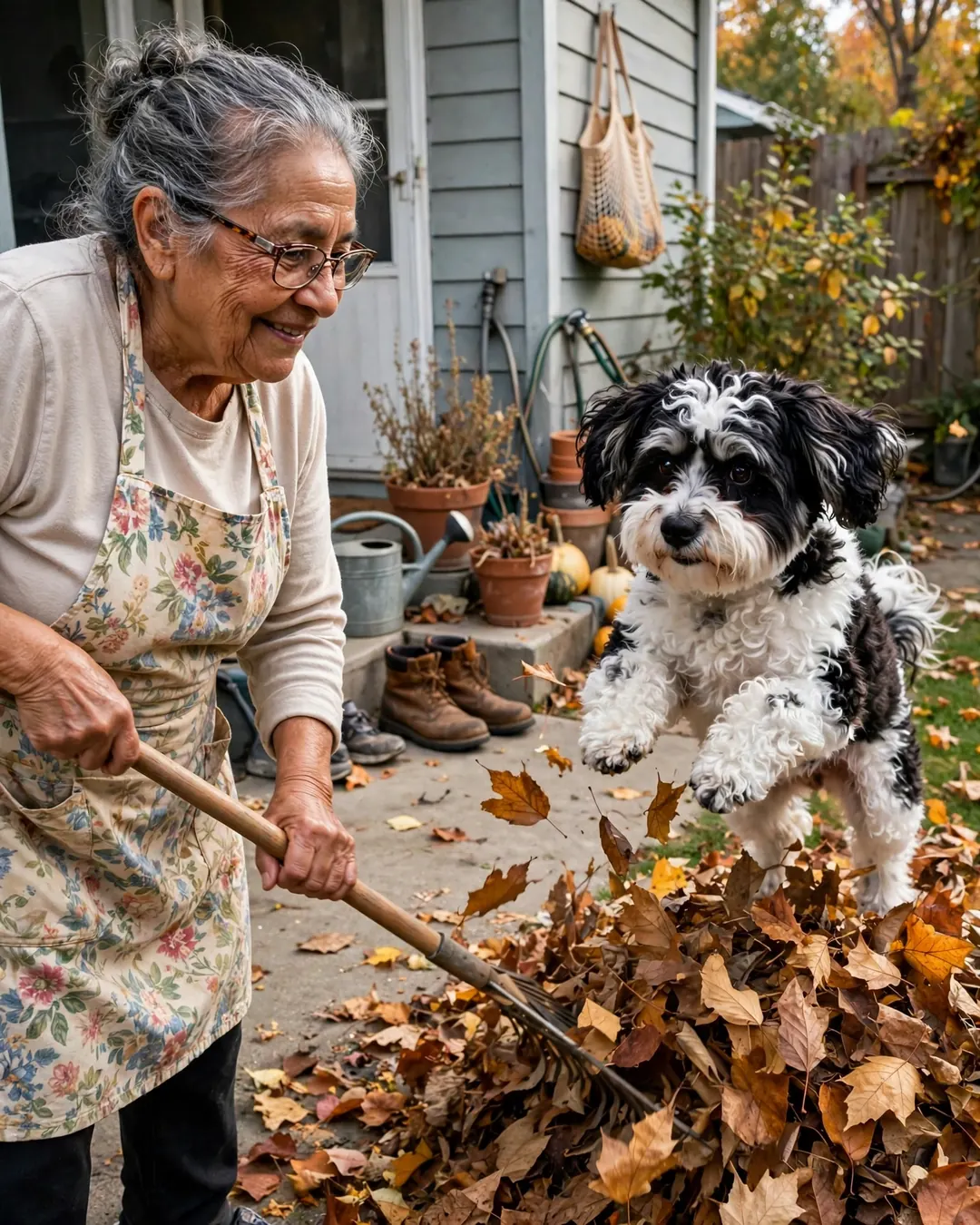
One minute your dog is calm; the next it is racing around the garden in tight circles, bum tucked under, ears flapping, skidding round corners at full speed. Then, just as suddenly, it stops and flops down panting. Dog owners call it "the zoomies". Behaviour scientists sometimes use the term "frenetic random activity periods", or FRAPs. Either way, it is normal, common and usually a sign of a happy dog.
What zoomies look like
Most zoomies share a few features:
- Sudden bursts of high-speed running, often in circles or figure-eights.
- A "play bow" or bouncy start.
- A tucked tail and a lowered, crouching run.
- Spinning, jumping on and off furniture or making sharp turns.
- A short duration — usually a few seconds to a couple of minutes.
- A calm, often sleepy dog afterward.
Why dogs do it
There isn't one definitive explanation, but several triggers are well recognised.
Releasing pent-up energy
Zoomies often happen after a period of confinement or calm — first thing in the morning, after a nap, after time in a crate, or in the evening. It appears to be a way of burning off energy that has been building up.
Excitement and joy
Many dogs zoom when something exciting happens: an owner coming home, guests arriving, a favourite game starting. Puppies and young dogs do it most, though plenty of older dogs keep the habit.
After a bath or grooming
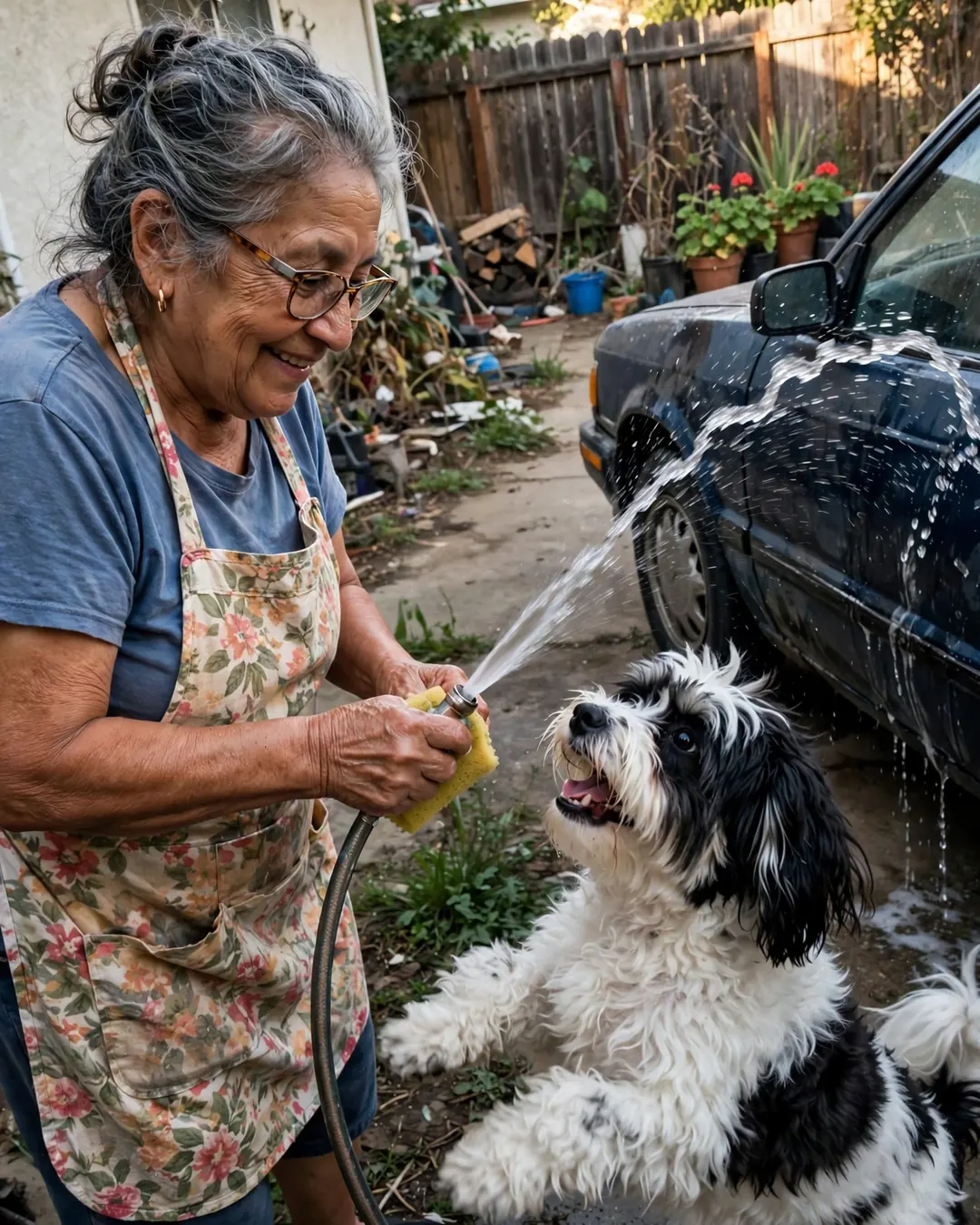
Post-bath zoomies are famous. Dogs may be shaking off water, relieving the stress of being handled, or simply celebrating the end of an experience they didn't enjoy.
After going to the toilet
Some dogs zoom after doing their business. Theories range from relief to an instinct to move away from the spot, but whatever the reason, it is perfectly normal.
Releasing stress
Zoomies can also appear after a mildly stressful event, such as a vet visit, as a way to let off tension.
Are zoomies a problem?
In most cases, no. Zoomies are a natural behaviour and usually a sign of a healthy dog having fun. However, they can become a concern when:
- They happen very frequently, which may indicate a dog isn't getting enough exercise or mental stimulation.
- The dog seems unable to settle afterward or shows other signs of anxiety.
- They involve repetitive behaviours like constant tail chasing, which can sometimes be linked to compulsive disorders and are worth discussing with a vet.
Keeping zoomies safe
The main risks of zoomies are physical: collisions, slips and knocks.
- Around toddlers. A dog running at full speed can easily knock over a small child. If zoomies start, pick up your toddler or have them sit down until it passes.
- Indoors. Slippery floors are dangerous for dogs taking tight corners. Rugs help, and moving the game outdoors is better.
- Near roads. Zoomies outside a secure area can lead a dog into traffic. Only allow free running in fenced spaces.
- Near stairs and furniture. Block access if your dog tends to leap from heights.
Don't chase your dog during zoomies; it will usually make the run longer and wilder. Stand still, wait, or move to a safe area. If you need to stop it, calmly call your dog in the opposite direction or toss a toy away from hazards.
Zoomies in other pets
Cats get them too — the midnight sprint down the hallway is a classic. Rabbits do a joyful leap and twist often called a "binky". The underlying idea seems similar: a short burst of play and energy release.
In summary
Zoomies are one of the more delightful parts of living with a dog. Make sure the space is safe, keep small children out of the path, and enjoy the show. If they seem excessive or come with signs of stress, a conversation with your vet is a good next step.