Labrador Retrievers With Young Children: What Families Should Know
The Labrador's temperament, energy, appetite, health and training needs — and how to set a lab and a toddler up for success.
The Labrador retriever has been among the most popular dog breeds in many countries for decades. Labs are known for being friendly, adaptable and easy to train, which makes them a common choice for families. They are also energetic, strong and famously food-obsessed — traits worth understanding before bringing one into a home with young children.
Origins and temperament
Labradors trace their roots to Newfoundland, where their ancestors helped fishermen retrieve nets and fish. Later, they were refined in Britain as gundogs. They were bred to be cooperative, tireless and good-natured, and most modern labs remain:
- Friendly and sociable with people and other dogs.
- Eager to work and to please.
- High-energy, particularly through the first few years.
- Food-motivated — sometimes to an extreme.
There are noticeable differences between working-line labs, which tend to be more energetic and driven, and show-line labs, which are often stockier and somewhat calmer. Ask breeders which lines their dogs come from.
Energy and exercise
An adult lab typically needs at least an hour of exercise daily, with opportunities to run, retrieve and swim. Without enough activity, labs can become destructive, chewing furniture or raiding bins. Mental work — training, scent games and puzzle feeders — is as important as physical exercise.
Labs mature slowly and many stay puppyish until around two or three years of age. A large, enthusiastic young lab can knock small children over, so training calm behaviour is a priority.
The appetite
Labradors are well known for being food-driven, and research has identified a genetic variant in some labs that is associated with greater hunger and a tendency to gain weight. In a family home, that means:
- Toddlers' snacks and dropped food are a constant temptation.
- Bins, lunchboxes and nappy bags need to be secured.
- Weight should be monitored carefully; obesity contributes to joint problems and shortens lifespan.
The upside is that this makes labs highly responsive to food-based training. See our guide to foods toddlers drop that are toxic to pets.
Grooming
Labs have a short, dense double coat that is relatively easy to care for but sheds a lot, especially seasonally. Weekly brushing, more often during shedding seasons, keeps things manageable. Their love of water and mud means regular towel-downs after walks.
Health
Common health concerns include hip and elbow dysplasia, certain inherited eye diseases, exercise-induced collapse in some lines, and obesity-related problems. Responsible breeders screen parent dogs for relevant conditions. Typical lifespan is around 10–12 years.
Training priorities in a family home
- Settle on a mat during meals and busy moments.
- Calm greetings — four paws on the floor.
- Leave it and drop for food and stolen items.
- Loose-lead walking — adult labs are strong pullers if not trained.
- Recall, especially near water and wildlife.
Labs generally learn quickly with reward-based training, and children can help with simple training games under supervision.
Labs and toddlers
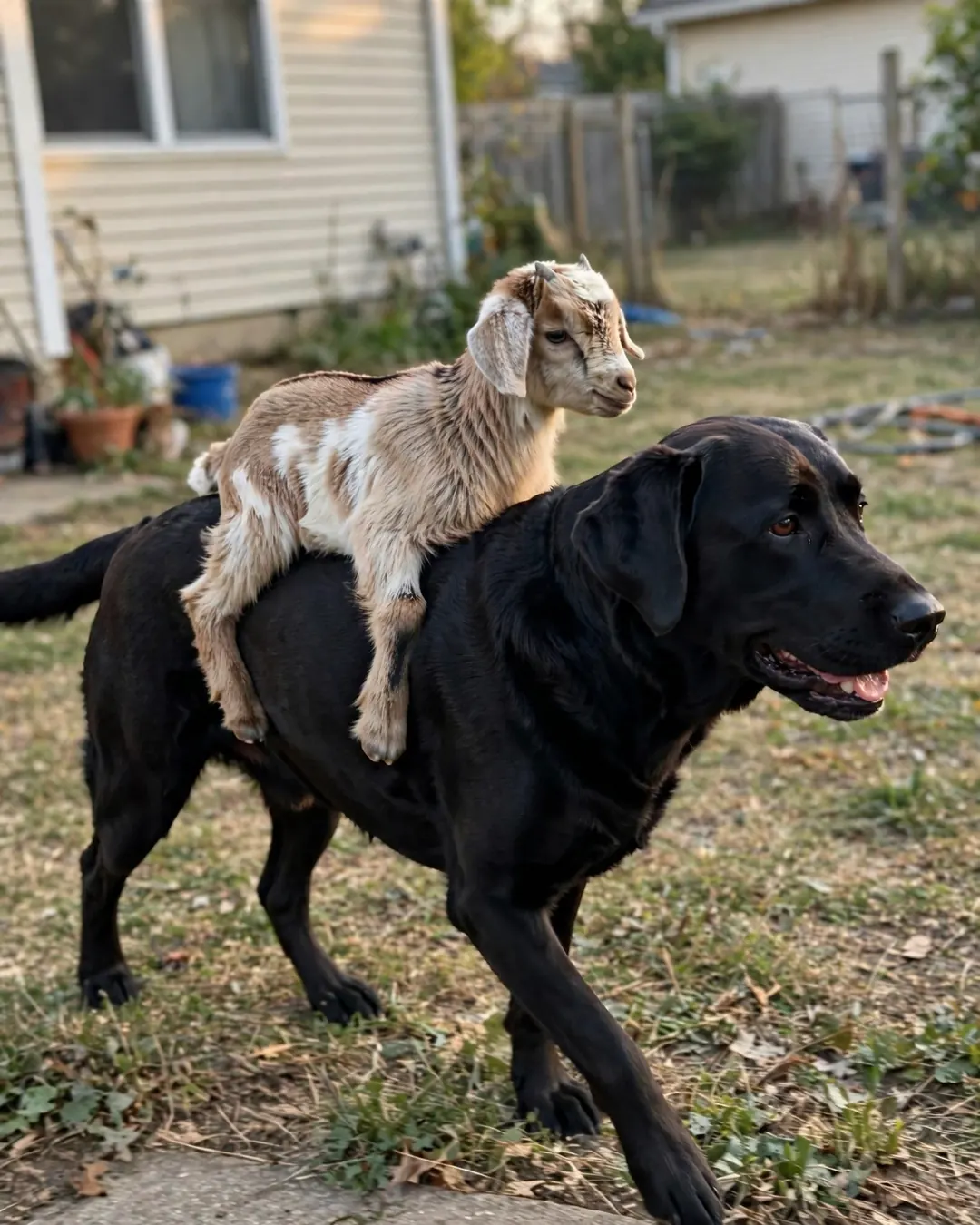
Labs are often tolerant and playful with children, but tolerance should never be tested. Teach toddlers not to hug, climb on or ride the dog, give the lab a quiet space it can retreat to, and supervise all interactions closely. Be especially watchful around food and toys.
Is a lab right for your family?
Labs may be a great fit if you have an active household, enjoy outdoor time and can commit to training. They may not suit families who are away for long hours, want a low-shedding dog or have little time for exercise.
In summary
A well-exercised, well-trained Labrador is one of the most good-natured family companions you can find. The key is meeting their needs for activity and structure — and keeping the snacks out of reach.