Orange Tabby Cats: The Genetics and the Reputation
Why most orange cats are male, what "tabby" really means, and whether orange cats really have bigger personalities — plus tips for families adopting one.
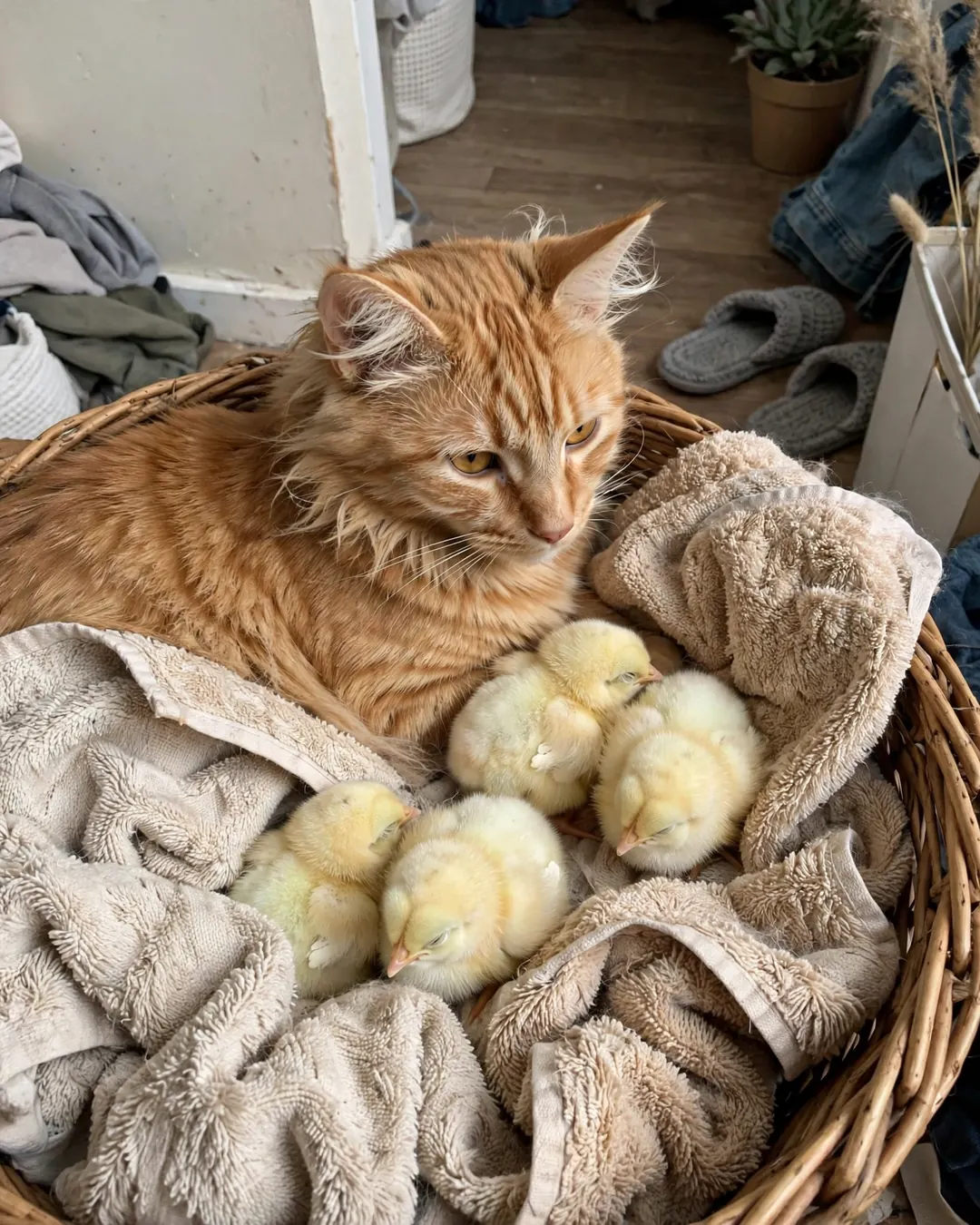
Orange tabby cats have a reputation all of their own. Online, they are celebrated as bold, food-obsessed and endearingly chaotic. Orange isn't a breed, though — it is a colour that appears in many breeds and in mixed-breed cats. The genetics behind it are genuinely interesting, and understanding the reputation can help families set realistic expectations.
What "tabby" means
"Tabby" describes a coat pattern, not a breed. The four classic tabby patterns are:
- Mackerel — narrow stripes running down the sides, like a fish skeleton.
- Classic — bold, swirling patterns, often with a "bullseye" on the side.
- Spotted — stripes broken into spots.
- Ticked — individual hairs banded with colour, giving a speckled look.
Most tabbies have a distinctive "M" shape on the forehead. Orange cats are essentially always tabbies; the orange pigment does not hide the tabby pattern the way black pigment can.
Why most orange cats are male
The gene that produces orange colour in cats is carried on the X chromosome. Males have one X chromosome, so a single copy of the orange gene makes them orange. Females have two X chromosomes and need two copies to be fully orange; with one copy, they tend to be tortoiseshell or calico instead.
As a result, the large majority of orange cats are male — a figure often quoted at around four out of five. Orange females certainly exist, but they are less common. In recent years, researchers have also identified more details about the specific genetic change behind orange colour in cats.
Is the personality real?
Many owners describe orange cats as friendly, confident and food-motivated. Some surveys of owners have found orange cats more likely to be described as friendly, but there is little strong scientific evidence that coat colour itself determines personality. A few factors may explain the reputation:
- Sex. Since most orange cats are male, and neutered males are often described as more laid-back and sociable, the "orange personality" may partly be a "male cat" effect.
- Expectation. Owners who expect a bold, goofy cat may notice and share those behaviours more.
- Individual variation. Personality is shaped by genetics, early socialisation and environment.
So, an orange tabby may well be a cheerful, food-loving character — but adopt the individual cat, not the stereotype.
Orange tabbies and families
Because orange is a colour rather than a breed, there are no orange-specific health issues. Their needs depend on breed and individual history. For families adopting any cat:
- Ask shelters about the cat's experience with children.
- Choose a confident, relaxed cat for a busy household.
- Provide hiding spots and high perches.
- Teach children gentle handling rules.
Freckles and colour changes
Some orange cats develop small dark spots on their lips, nose or gums as they age, called lentigo. It is usually harmless, but any new spot that grows, changes shape or appears raised should be checked by a vet, since cancers can occasionally look similar.
Weight watch
Whether or not orange cats are truly hungrier, many owners report that they love food. Keep an eye on weight with measured meals, puzzle feeders and daily play. Excess weight raises the risk of diabetes and joint problems.
In summary
Orange tabbies are a fascinating example of feline genetics, and many live up to their sunny reputation. Enjoy the stereotypes, but get to know the individual — every cat, orange or not, has its own personality.