Maine Coons and Families: The Gentle Giants of the Cat World
Size, temperament, grooming and health of the Maine Coon — and why many families with children find this large, sociable cat a great match.
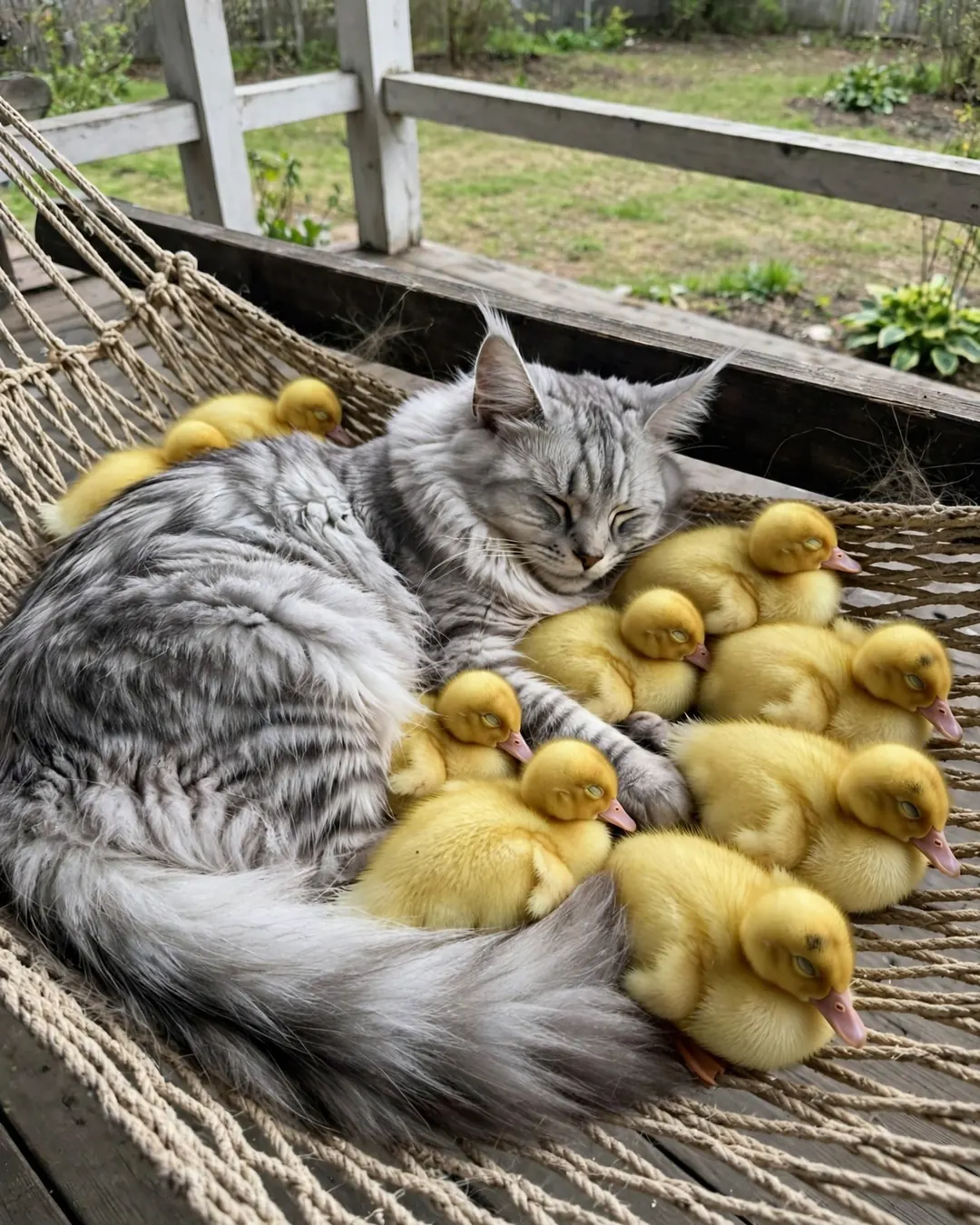
Maine Coons are among the largest domestic cat breeds, known for their tufted ears, bushy tails, shaggy coats and famously friendly temperament. Often called "gentle giants" or the "dogs of the cat world," they tend to be sociable and tolerant, which makes them a popular choice for families. Their size and coat bring specific needs, though.
Origins
The Maine Coon is one of the oldest natural breeds in North America, developed in the harsh climate of Maine in the northeastern United States. They were working farm and ship cats, prized for hunting skills. Their thick, water-resistant coat, large paws and bushy tail are adaptations to cold, snowy winters.
Size
Maine Coons grow slowly, often not reaching full size until three to five years old. Males commonly weigh around 6–9 kg (13–20 lb), and females a little less, though individuals vary. Their size means:
- They need large, sturdy litter boxes and scratching posts.
- Cat trees must be robust and well anchored.
- Children should not try to carry them — they are heavy and awkward to hold.
Temperament
Many Maine Coons are:
- Friendly and sociable, enjoying the company of people.
- Playful, keeping a kitten-like curiosity into adulthood.
- Tolerant and laid-back compared with many cats.
- Chatty, with chirps and trills rather than loud meowing.
- Fascinated by water, sometimes playing with taps and water bowls.
Many get on well with dogs and other cats when introduced properly. As always, individual personalities vary.
Maine Coons and children
The breed's patience makes Maine Coons a common recommendation for families. Still, every cat needs boundaries:
- Teach children to stroke gently and let the cat approach.
- Never pick up, squeeze or chase the cat.
- Leave the cat alone when it is eating, sleeping or in its retreat spaces.
- Provide high perches the children can't reach.
Grooming
The Maine Coon's long, shaggy coat is less prone to matting than a Persian's but still needs regular brushing — usually once or twice a week, and more often during seasonal shedding. Pay attention to the belly, armpits and "trousers" at the back of the legs, where knots form. Grooming sessions can be a nice, calm activity for older children to help with under supervision.
Health
Maine Coons are generally hardy, but breed-associated conditions include:
- Hypertrophic cardiomyopathy (HCM), a heart condition; a genetic test exists for one known mutation, and some breeders also screen with heart scans.
- Hip dysplasia, more common than in many cat breeds because of their size.
- Spinal muscular atrophy (SMA), for which a DNA test is available.
Ask breeders about the health testing of parent cats. Keep your Maine Coon at a healthy weight; their size can disguise extra kilos. Typical lifespan is around 12–15 years.
Exercise and enrichment
Maine Coons enjoy interactive play — wand toys, fetch (many will retrieve) and puzzle feeders. Some take readily to harness training for supervised outdoor time. Because they are sociable, they generally don't do well left alone for long periods without company.
Is a Maine Coon right for your family?
Maine Coons often suit families looking for a sociable, playful, relatively easy-going cat and who have space for a large animal. Budget for larger equipment, regular grooming and potentially higher food costs.
In summary
With their relaxed attitude and love of company, Maine Coons can be wonderful family cats. Give them room, groom them regularly, protect their boundaries — and enjoy having a cat that may follow you around like a dog.