Put your hand on your chest for a moment. That steady thump has been going since long before you could walk, and it keeps going while you sleep, eat, and read this sentence. It's easy to forget about, which makes the grand total even more surprising.
The human heart beats more than 2.8 billion times in an average lifetime. That's billion, with a b. And it does all of that work without ever stopping for a real break.
How the Math Adds Up
An adult heart at rest beats about 72 times a minute. That doesn't sound like much until you keep multiplying. At that pace, it's about 4,300 beats an hour and more than 100,000 beats a day.
Over a year, that comes to roughly 38 million beats. Stretch that across a long life of 70 or 80 years and you land in the range of 2.8 to 3 billion. Of course, your real number depends on how fast your own heart tends to beat and how long you live.
It Started Before You Were Born
Your heart got a head start. It begins beating around 22 days after conception, at a rate close to the mother's own, about 75 to 80 beats per minute. Then it speeds up, peaking at around 165 to 185 beats per minute in the early weeks of pregnancy.
After that, it gradually slows. By birth it's around 145 beats per minute, and a newborn's resting rate can be about 129. From there it keeps easing down as a child grows into an adult. In other words, a brand-new baby's heart is racing compared with yours.
Your Heart Speeds Up and Slows Down
The American Heart Association lists a normal resting adult heart rate as 60 to 100 beats per minute, though many experts say 50 to 90 is a better guide. In one study of more than 35,000 Americans over 40, the average was 71 for men and 73 for women.
Your heart also changes pace all day. During sleep, 40 to 50 beats per minute is common and normal. During exercise it can climb to around 150, with maximum rates of about 200 to 220 for some people, depending largely on age. Very fit endurance athletes may rest in the 30s or 40s.
Researchers have also linked resting heart rate with health over time. If you're curious about what your own heart rate means for you, talk to your doctor.
A Small Pump With a Big Job
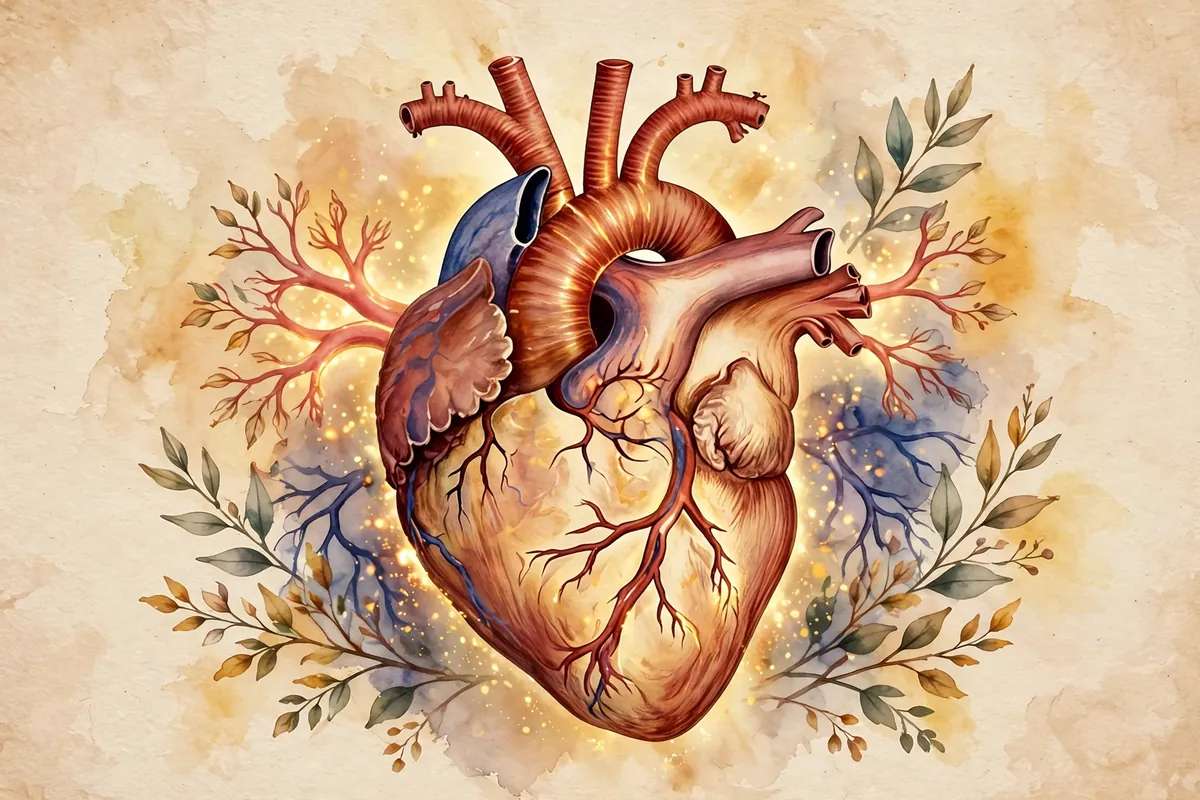
For all that work, the heart isn't large. It's often described as about the size of a closed fist, though some say it's a bit bigger, and an adult heart weighs about 9 to 12 ounces. It sits between the lungs in the middle of your chest.
Each beat starts with a tiny group of pacemaker cells in an area called the sinoatrial node. They send out an electrical signal that makes the heart squeeze. The right side sends blood to the lungs to pick up oxygen, and the left side pushes that oxygen-rich blood out to the rest of the body. Then the whole cycle repeats, with no weekends and no vacations.
So the next time you feel your pulse, give your heart a little credit. It's been keeping time for you since before your first birthday party, and it's still on the job, one beat after another.