Cut your finger and it heals. Break a bone and it knits back together. But most organs inside your body can't replace a big chunk that's been lost. There's one remarkable exception tucked under your ribs on the right side.
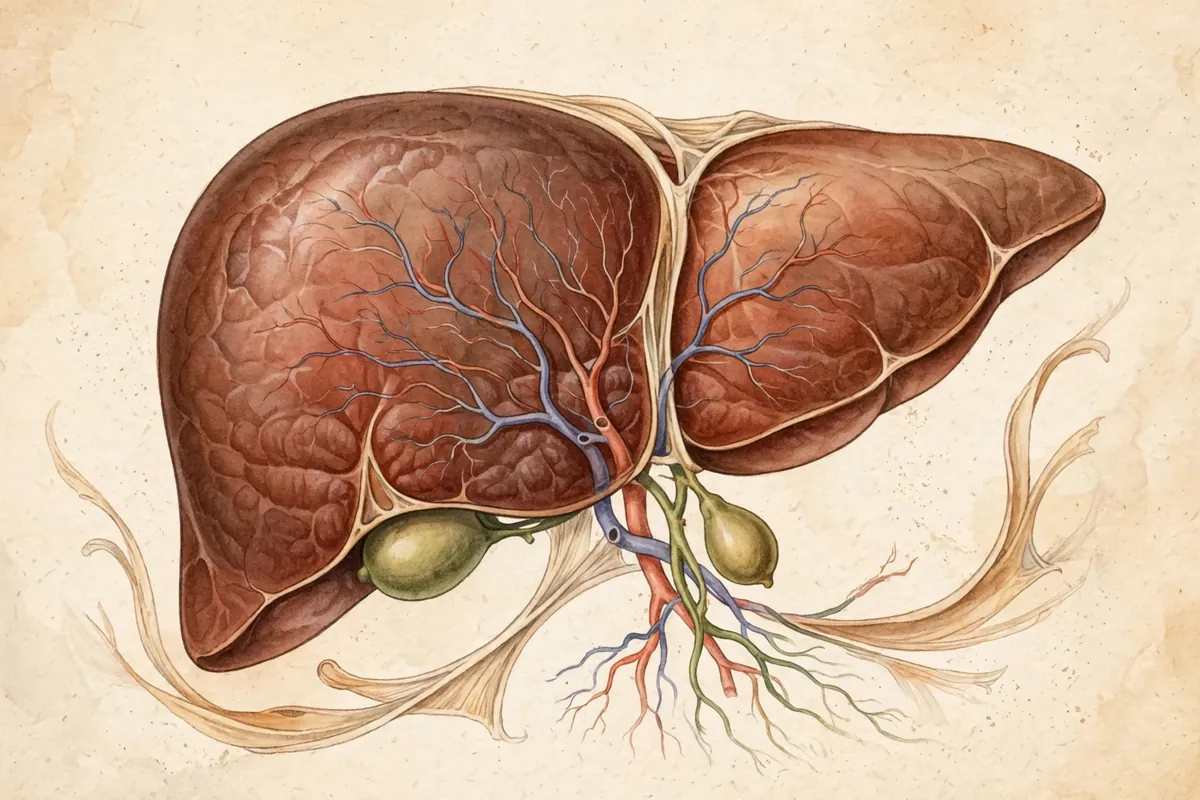
The liver is the only internal organ that can regenerate. If part of it is removed or damaged, the remaining tissue can grow back to replace the lost mass. Amazingly, as little as 10 percent of the original liver can be enough for the organ to regrow to its full size.
It Grows Back, Just Not Quite the Same Shape
There's a small catch. In humans and other mammals, the liver doesn't rebuild the exact piece that was removed. Instead, the parts that remain get bigger. Doctors call this compensatory growth, and the result is a liver that's back to the right size and doing its job, even if it doesn't have its original shape.
In some fish, the liver can regain both its original size and its shape. The ability to regenerate the liver has been seen in all vertebrates, from people to fish.
And it isn't slow. In otherwise healthy patients, the liver can regenerate up to half its mass in 30 days. Even better, it keeps working the whole time it's rebuilding.
How the Liver Knows When to Stop
Scientists describe liver regrowth in three phases. First comes a priming phase, within about five hours of surgery, when liver cells switch on genes that prepare them to divide. Some signals start within 15 to 30 minutes.
Next comes a growth phase, when the main liver cells, called hepatocytes, divide again and again. Finally, a protein called TGF-beta acts like a brake. It shuts the process down so the liver doesn't overgrow. The liver even adjusts its size to fit the body it's in.
There's a backup plan, too. If the main liver cells can't divide, cells that line the bile ducts can turn into liver cells. It works in reverse as well.
Why This Makes Living Donors Possible
This regrowth is what makes living donor liver transplants possible. Surgeons remove a portion of a healthy person's liver and use it to replace the recipient's whole liver. The technique was first performed in 1989 for children. Only about 20 percent of an adult's liver is needed to serve an infant or small child.
Regeneration has limits, though. If someone already has liver problems, regrowth may stop early or the liver may scar, which can lead to serious disease. Viruses, alcohol, and some medications can damage the liver. Acetaminophen is the most common drug behind liver damage when taken in high doses or with alcohol. If you have questions about your own liver health, talk to your doctor.
An Ancient Hint
The ancient Greeks may have known something about this. In myth, the Titan Prometheus was chained to a rock as punishment for giving fire to humans. Each day an eagle ate his liver, and each night it grew back. Medical writers still mention him when they talk about liver regeneration.
It's a fitting story for an organ that works so hard. The liver is the heaviest organ inside the body, weighing about 3.3 pounds in an adult. It makes bile to help digest fat and handles a huge range of chemical jobs. Estimates of its total number of functions are often cited at around 500.
So the next time you think of your body as fragile, remember the quiet overachiever on your right side. It's a chemical factory, a repair shop, and one of nature's best comeback stories all in one.