These days, the Super Bowl is practically a national holiday. Tickets are hard to come by and cost a small fortune, and millions of people gather around the TV. So it's hard to believe that when the very first one was played, tens of thousands of seats sat empty.
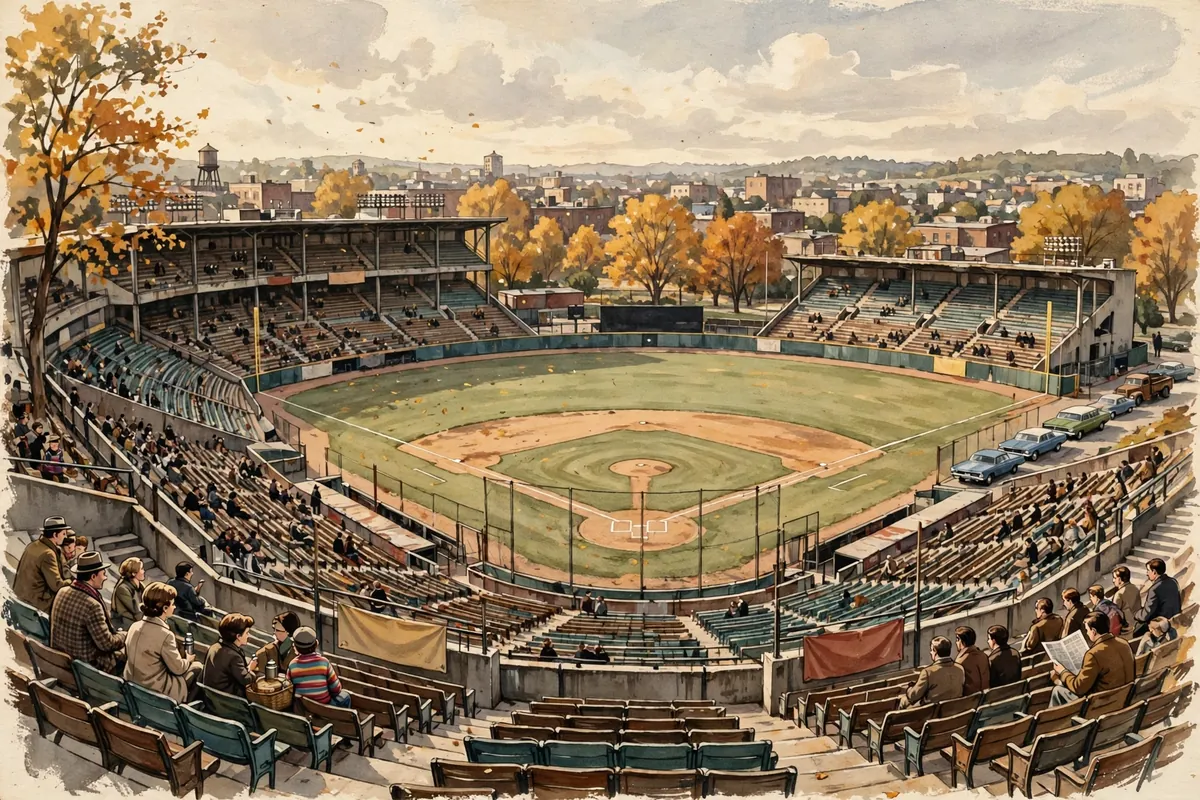
It's true. Super Bowl I, played on January 15, 1967, at the Los Angeles Memorial Coliseum, is the only Super Bowl that wasn't a sellout. Of the stadium's roughly 94,000 seats, about 33,000 went unsold. Local newspapers had grumbled about what they called an outrageous ticket price: $12, roughly $116 in today's money.
A Brand-New Game in a Hurry
The two leagues had spent years in a costly bidding war for players. Things boiled over in early 1966, when the NFL's New York Giants signed kicker Pete Gogolak away from the AFL's Buffalo Bills. AFL owners called it an act of war and struck back by signing several NFL quarterbacks. Peace talks followed soon after.
Part of the problem was timing. The game was brand new, born from a merger agreement between the rival National Football League and American Football League in June 1966. Los Angeles wasn't chosen as the host until December 1, less than seven weeks before kickoff, and the date wasn't set until December 13.
The game didn't even have its famous name officially. It was billed as the AFL-NFL World Championship Game. The nickname "Super Bowl" came from Kansas City Chiefs owner Lamar Hunt, who said it was probably stuck in his head because his kids had been playing with a Super Ball toy.
Watching From Home Instead
Ironically, Los Angeles fans couldn't watch the game on local TV either. Back then, a local blackout was required, even at a neutral site. Newspapers even ran stories explaining how viewers could pick up the broadcast from stations in Bakersfield, Santa Barbara, and San Diego.
Because NBC held the rights to AFL games and CBS held the NFL's, both networks aired the game. It remains the only Super Bowl simulcast by two of the old "Big Three" networks.
The Game Itself
Many fans assumed the established NFL was far superior to the upstart AFL, and they expected the Green Bay Packers to crush the Kansas City Chiefs. Packers coach Vince Lombardi felt so much pressure that broadcaster Frank Gifford said he was "shaking like a leaf" before the game.
The first half was close, with Green Bay leading just 14-10 at halftime. Then safety Willie Wood intercepted a pass early in the third quarter, sparking 21 unanswered points. The Packers won 35-10, and quarterback Bart Starr was named MVP.
The Lost Broadcast
Here's another surprise. Both networks later erased their tapes of the game to save money, a common practice at the time, since a half-hour videotape cost around $300. Nobody imagined how big the Super Bowl would become.
For years, only two short clips were known to survive. Then, in 2011, a partial recording of the CBS broadcast was reported found in a Pennsylvania attic. The Paley Center for Media restored it and showed it to the public for the first time in February 2024.
So the next time you see what Super Bowl tickets cost today, think back to 1967, when a $12 seat felt like too much and thousands of fans decided to stay home.