Imagine preparing for the most dangerous trip in human history. You're about to ride a giant rocket to the Moon, and nobody can promise you'll make it back. Like any parent, you want your family taken care of. There's just one problem: no one will sell you life insurance.
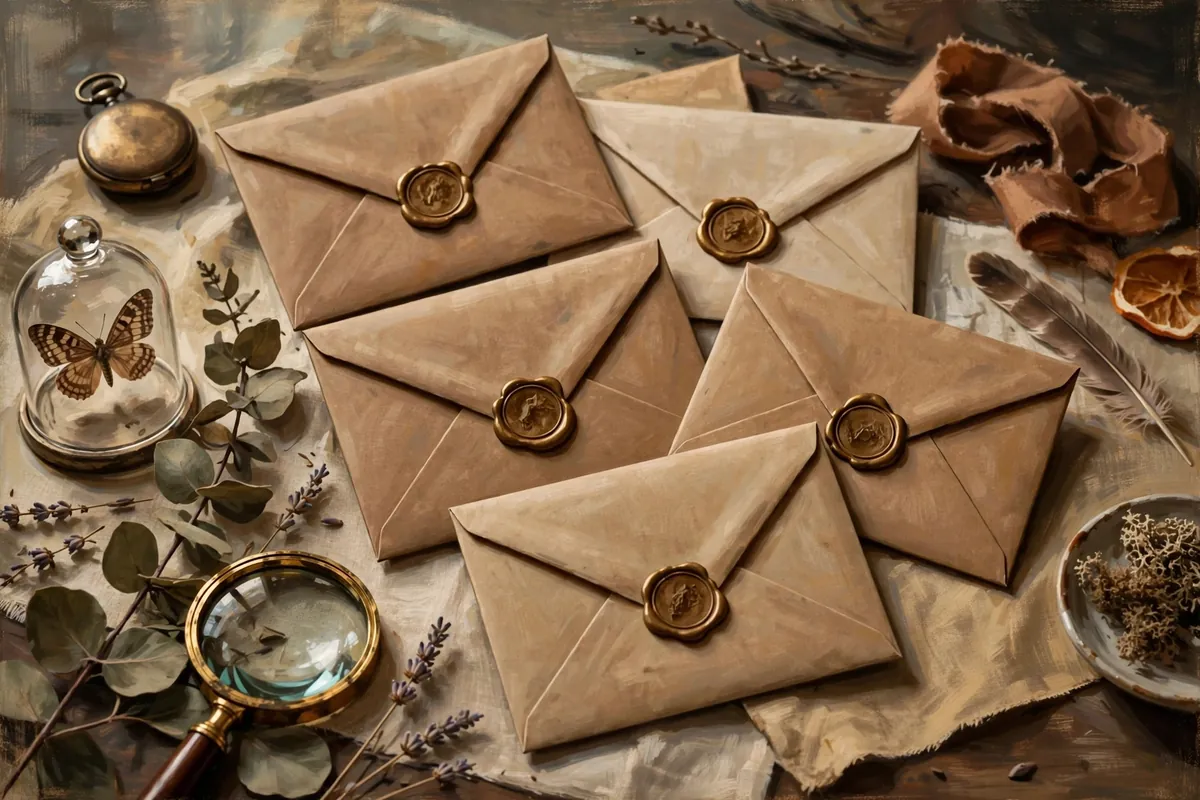
That was the situation facing the Apollo astronauts. Because they couldn't get much life insurance, they came up with a clever plan. Before their missions, they signed hundreds of postal covers, which are stamped and postmarked envelopes. If the worst happened, their families could sell these autographs, which would likely become extremely valuable. The tradition began with Apollo 11 and lasted through Apollo 16.
A Plan Written in Ink
The idea was simple and a little heartbreaking. Collectors would pay a lot for the signatures of men who died on a famous mission. So the crews signed covers by the hundreds while they were in quarantine before launch.
Each crew chose a trusted friend to hold the envelopes. That person would have them postmarked at the Kennedy Space Center post office on the day of the launch, the day of the Moon landing, or both. The dated postmark tied each envelope to a historic moment.
Some astronauts also left single signed covers just for their own families, a more personal keepsake.
Thankfully, Never Needed
For the crew of Apollo 11, the backup plan wasn't needed. Neil Armstrong, Buzz Aldrin, and Michael Collins returned safely in July 1969. Even then, they weren't free to go home right away. They spent 21 days in quarantine, first in their spacecraft, then in a trailer on the recovery ship, and finally in a special laboratory, until doctors gave them a clean bill of health.
The envelopes survived as a remarkable piece of history instead. Apollo 11 insurance covers usually fetch the highest prices of all, because it was the first Moon landing.
How Collectors Spot the Real Thing
Not every signed Apollo envelope is a true insurance cover. There are three varieties of Apollo 11 covers, four of Apollo 12, and fewer for later missions. They were produced by a stamp club at the Manned Spacecraft Center in Houston and by a friend of the astronauts named Al Bishop.
The tricky part is that stamp collectors got many identical envelopes through the same club, and astronauts sometimes signed those after the mission. A genuine insurance cover must have been signed during quarantine before launch and left behind for the families. To be sure, it should come directly from a crew member or their family, ideally with certification on the back from one of the crew.
When Envelopes Caused a Scandal
Envelopes later got one Apollo crew into real trouble. The Apollo 15 astronauts carried about 400 unauthorized covers all the way to the Moon's surface in 1971. Some were sold at high prices by a West German stamp dealer, and the crew had agreed to take payments for carrying them.
Although they returned the money, NASA reprimanded them when the story broke in 1972. The three astronauts never flew in space again.
The insurance covers tell a gentler story. They're a reminder that behind the brave faces of the Space Age were ordinary parents, quietly doing what they could to protect the people they loved.