Imagine the most famous entertainer in America, with hit records, screaming fans, and a movie career, suddenly trading it all for an Army uniform. That's exactly what happened to Elvis Presley. In 1958, at the peak of his fame, he was drafted. So how did the King of Rock and Roll end up as an ordinary soldier?
Here's the short answer. Like other young American men at the time, Elvis was subject to the military draft. In January 1957, his local Memphis draft board classified him 1-A, fit for service. He was inducted on March 24, 1958. The Army offered him a special role entertaining troops, but he chose to serve as a regular soldier instead.
The Draft Notice Arrives
Elvis became eligible for the draft on his 21st birthday, January 8, 1956. A year later, after a pre-induction physical, the Memphis Draft Board declared him 1-A on his 22nd birthday. On December 20, 1957, he physically received his draft notice.
Reactions were mixed. Many fans were upset. But plenty of parents, teachers, and religious leaders were thrilled, because they saw his rock and roll as a bad influence on young people.
Elvis was scheduled to report on January 20, 1958, but he was in the middle of making the movie King Creole. He wrote to the draft board asking for more time, explaining that Paramount had already spent up to $350,000 on the film and many jobs depended on him. The board granted an extension until mid-March. Some people complained about special treatment, but the board's chairman said Elvis would have gotten the extension anyway if he hadn't been a superstar.
Black Monday
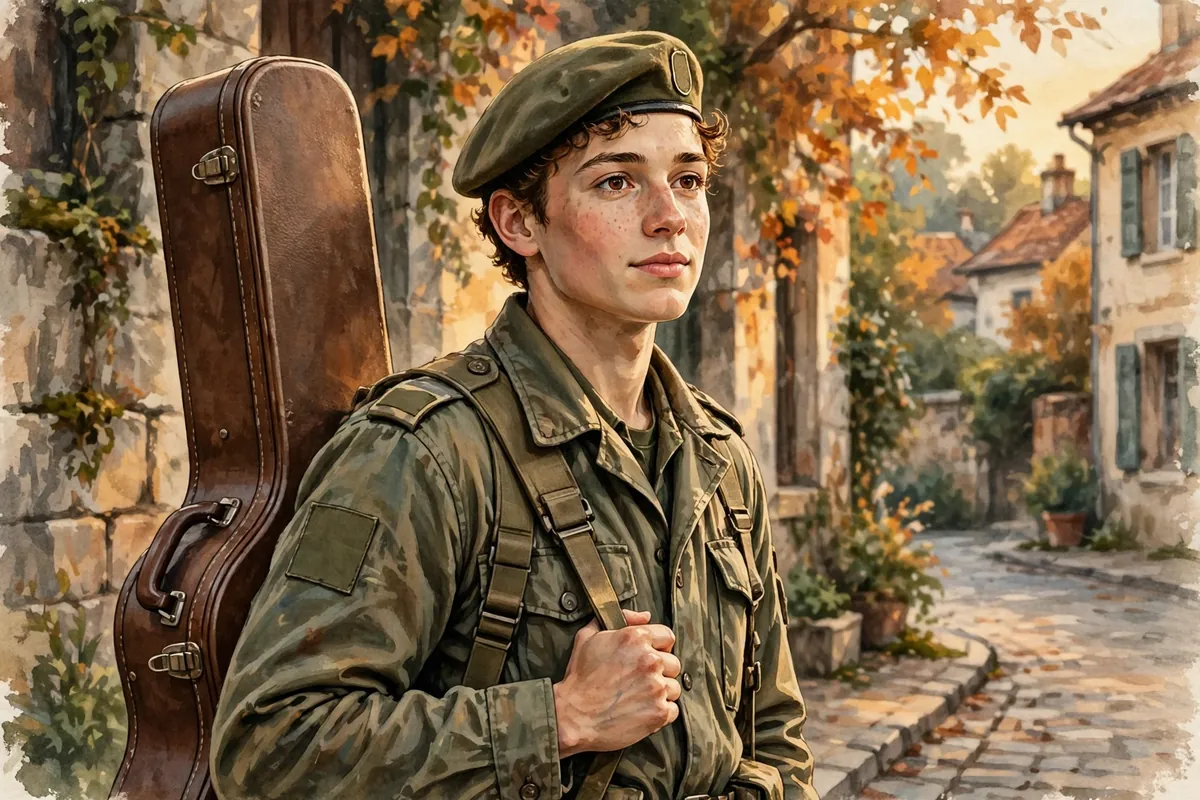
On March 24, 1958, a day the press nicknamed "Black Monday" for his fans, Elvis reported for induction. He got a medical exam and service number 53310761, was sworn in, and was made leader of his group. At Fort Chaffee in Arkansas, hundreds of people crowded around him as he stepped off the bus. Elvis told reporters he didn't want to be treated any differently from anyone else.
Why He Turned Down the Easy Road
The Army offered Elvis a spot in Special Services, where he could entertain the troops and live in better housing. His manager, Colonel Tom Parker, steered him away from it. Under that arrangement, the military would have owned recordings of his performances. Parker wanted no public performances at all during his service.
The decision paid off. Serving as a regular soldier earned Elvis the respect of many fellow soldiers and of Americans who had once looked down on him. In West Germany, he worked as a driver, first for a company commander and later for a reconnaissance platoon sergeant. He donated his Army pay to charity, bought TV sets for the post, and bought an extra set of fatigues for everyone in his outfit.
Life-Changing Years
His time in the service brought heartbreak, too. Not long before he shipped out to West Germany, his mother, Gladys, died at age 46. While stationed there, he met 14-year-old Priscilla Beaulieu, who would later become his wife. He also took up karate, which later found its way into his stage shows.
Elvis was promoted to sergeant in January 1960 and was discharged from active duty that March. Within a few years, he'd relaunched his career with some of his most successful work. Not bad for a soldier who simply wanted to be one of the guys.