Today it's one of the most recognized drinks on Earth, sold in cans, bottles, and fountains almost everywhere. It's hard to imagine Coca-Cola as anything other than a sweet, fizzy treat. But when it first appeared in the 1880s, it was sold as something else entirely.
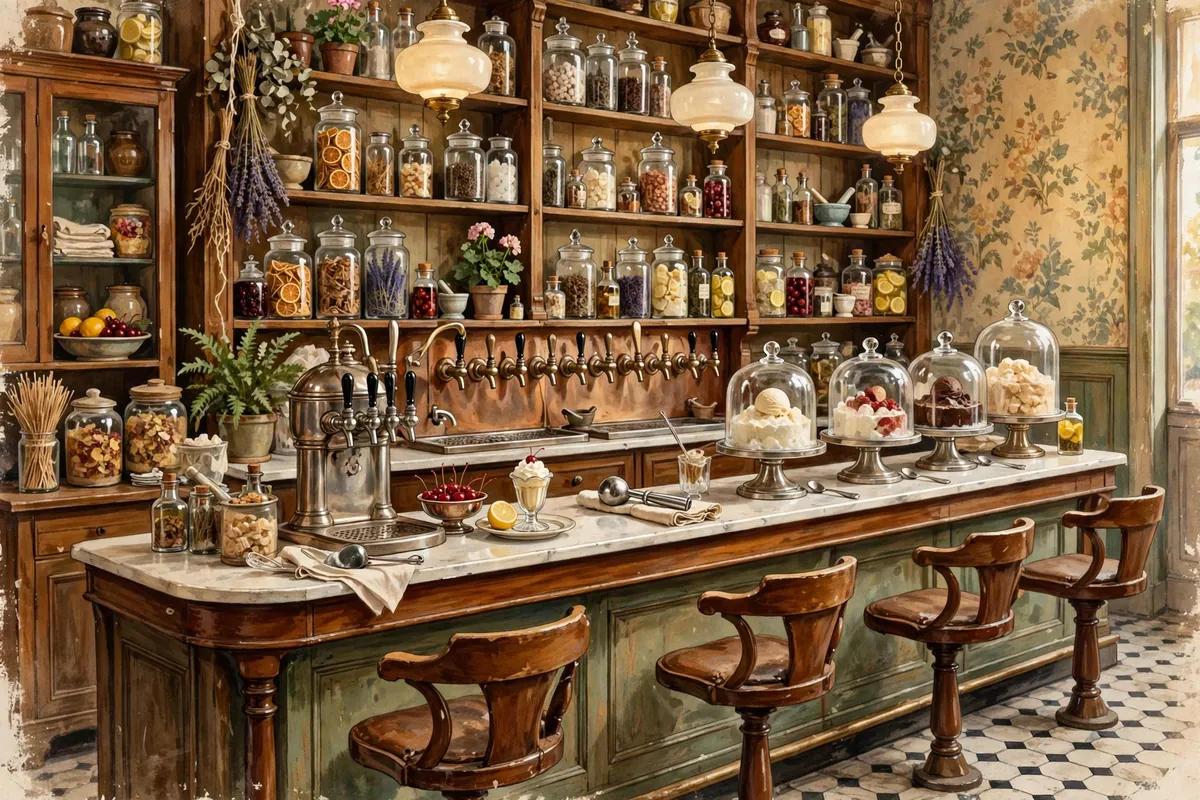
Coca-Cola began as a patent medicine. Its inventor, Atlanta pharmacist John Pemberton, sold it at a drugstore soda fountain and claimed it could cure many ailments, including headaches, indigestion, and nerve disorders. It was also marketed as a temperance drink, a nonalcoholic choice at a time when alcohol was being banned.
A Wounded Soldier Looking for a Cure
John Pemberton had been a Confederate colonel who was wounded in the Civil War and became addicted to morphine. He also had a medical degree, and he set out to find a substitute for the drug.
In 1885, at his drugstore in Columbus, Georgia, he registered a nerve tonic called Pemberton's French Wine Coca. It may have been inspired by a popular French coca wine of the era, but Pemberton added something new: the African kola nut, a source of caffeine.
When Atlanta Went Dry
Then, in 1886, Atlanta and Fulton County passed prohibition laws. Pemberton's wine tonic suddenly had a problem. His answer was to create a nonalcoholic version, which he called Coca-Cola and promoted as the temperance drink.
It went on sale on May 8, 1886, at Jacob's Pharmacy in Atlanta, for five cents a glass. Drugstore soda fountains were popular then because many people believed carbonated water was good for their health. Later that month, Pemberton ran the first newspaper ad for his drink in the Atlanta Journal.
What Was in the Name
The name came from its two key ingredients. Caffeine came from the kola nut. The other came from the coca leaf, the same plant cocaine is made from, and early Coca-Cola contained an estimated nine milligrams of cocaine per glass.
That changed long ago. Fresh coca leaves were removed from the formula in 1903, and after that the company used spent leaves left over from cocaine extraction. By 1929, Coca-Cola was using a cocaine-free coca leaf extract. Today that extract is prepared at a single plant in New Jersey, the only one authorized by the federal government to import and process coca leaves.
The famous swirly logo is almost as old as the drink. Pemberton's bookkeeper, Frank Mason Robinson, came up with the name and wrote it in Spencerian script, a popular style of formal handwriting at the time.
From Medicine to American Icon
Pemberton didn't get to see his drink's success. In 1888, he sold ownership rights to businessman Asa Griggs Candler, and Pemberton died later that year. Candler's marketing turned Coca-Cola into a giant, helping it come to dominate soft drinks worldwide.
The drink left the pharmacy counter for good when it went into bottles. The first bottling took place in 1894 at a candy company in Vicksburg, Mississippi. The famous curvy bottle didn't arrive until 1915.
Even then, the medicine connection lingered. Cola syrup was sold over the counter as a remedy for upset stomachs. And in North Carolina, long after the cocaine was gone, people still called Coca-Cola dope, and the trucks that delivered it were known as dope wagons.
So the next time you pop open a cold Coke, you're holding a little piece of 19th-century medicine history. Just don't expect it to cure your headache. It's a treat now, and that's probably for the best.