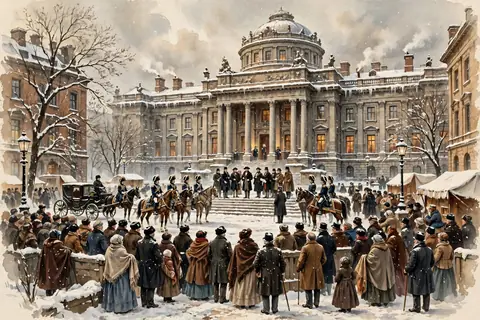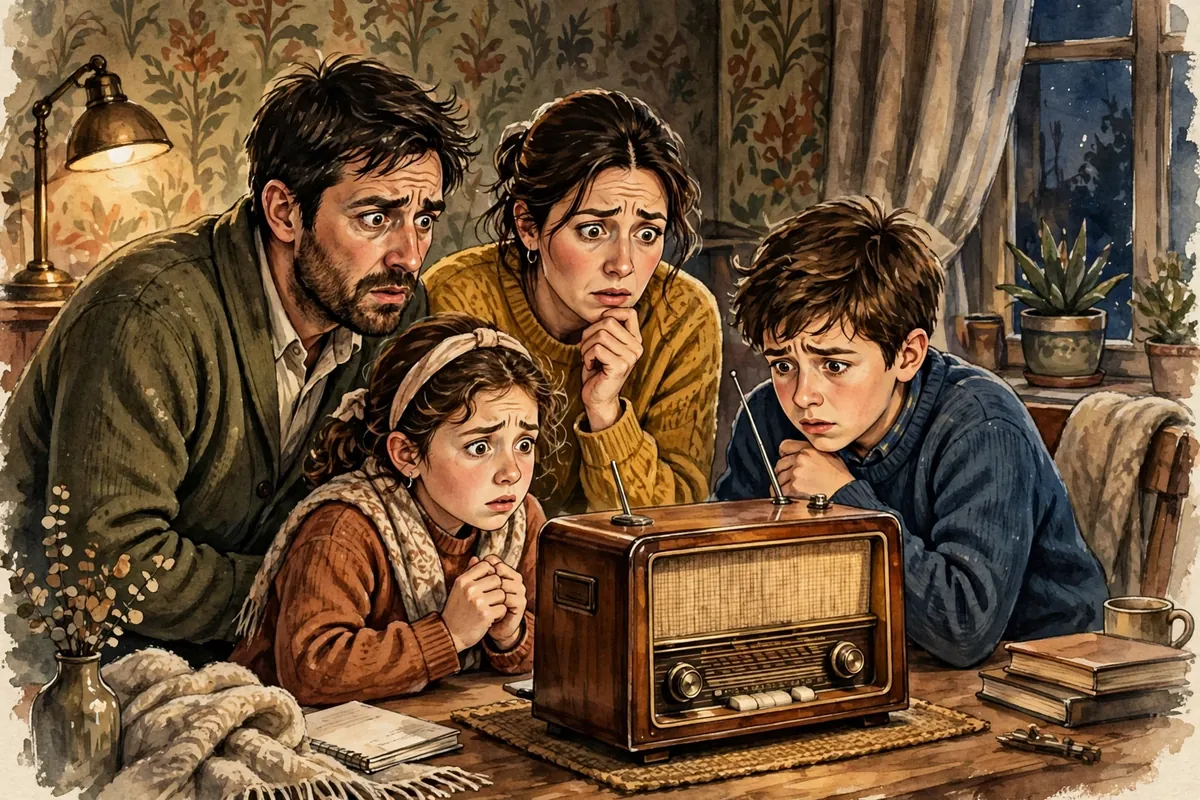
It's one of the most famous nights in broadcasting history. On October 30, 1938, a young Orson Welles went on the air with a radio play so realistic that, according to legend, Americans fled their homes in terror, convinced Martians were attacking. But is that what really happened?
Here's the short answer. The broadcast did confuse and frighten some listeners. But the scale of the panic is disputed, and many researchers now believe it was much smaller than reported. Newspapers, which were losing advertising money to radio, may have blown the story out of proportion to make the newer medium look irresponsible.
A Halloween Show Like No Other
"The War of the Worlds" aired at 8 p.m. Eastern on CBS as a Halloween episode of The Mercury Theatre on the Air. It was adapted from H. G. Wells' novel by Howard Koch, who moved the story from 19th-century England to the modern United States.
The show began like an ordinary evening of dance music. Then came news flashes about strange explosions on Mars, followed by reports of a mysterious object landing on a farm in Grovers Mill, a real village in West Windsor, New Jersey. A reporter described creatures emerging from a spacecraft and attacking with a heat ray before his microphone went dead. Later bulletins described Martian machines wading across the Hudson toward New York City.
Why Some Listeners Were Fooled
The first half of the program was presented as breaking news, and the show had few commercial interruptions. The first break didn't come until fictional reporters had described the fall of New York City.
Still, CBS announced that the program was fiction at four points during the broadcast, and newspapers had listed it in their radio schedules. A popular legend says many people tuned in late from a more popular NBC show and missed the introduction, but modern research suggests that happened only rarely.
How Big Was the Panic?
That night, the C. E. Hooper ratings company phoned 5,000 households. Only 2 percent said they were listening to the radio play, and none said they were hearing a news broadcast. Some CBS stations, including Boston's WEEI, didn't even carry the show.
In 1940, Princeton professor Hadley Cantril estimated that about six million people heard the broadcast and 1.2 million were frightened or disturbed. Later researchers Pooley and Socolow found serious flaws in his study. His audience estimate was more than twice as high as any other at the time, and he counted listeners who said they were merely excited as panicked. Cantril himself admitted that because people were interviewed after the media frenzy, their memories may have been shaped by what they read in the papers.
The Morning After
In the hours and days that followed, there was widespread outrage in the press. Some newspapers and public figures called the news format deceptive, and there were calls for government regulation. Welles apologized at a hastily called news conference the next morning, and no punishment followed.
The uproar made the 23-year-old Welles famous across the country. Later in life, he leaned into the legend, describing wailing in the streets from Nashville to Minneapolis. So the real story of that night is a bit of a twist: the biggest invasion may have been in the newspapers, not on the radio.