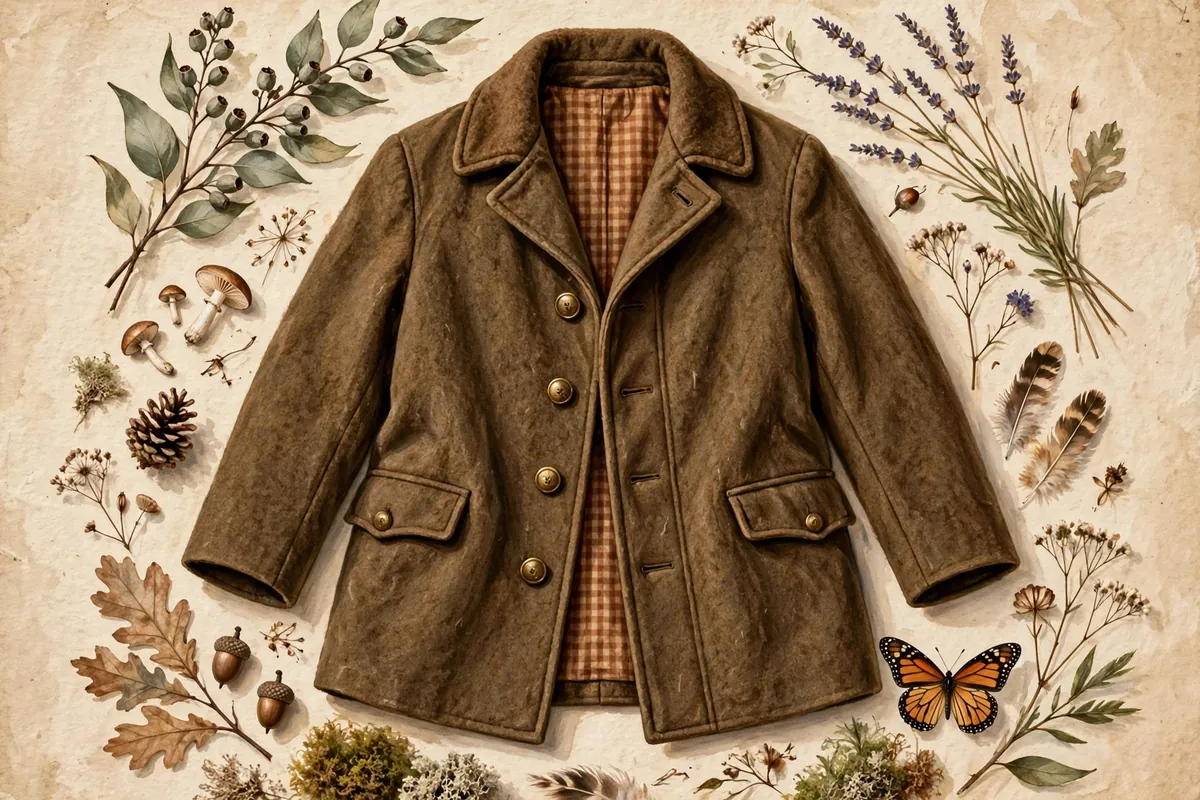
Most of us button our shirts every day without a second thought. But try buttoning a shirt meant for the opposite sex, and your fingers suddenly fumble. That's because, on classic clothing, the buttons sit on the right side for men and on the left side for women.
The short answer: nobody knows for sure why. The reasons are unclear, but there are two classic explanations. Men's buttons are often tied to drawing weapons, and women's buttons to the maids who once dressed wealthy ladies. Both are plausible stories, though neither has been proven.
The Sword Theory for Men
The explanation usually given for men's clothing involves weapons. A right-handed man would draw a sword or other weapon from the left side, sweeping toward the right. With the buttons placed the way they are, the weapon wouldn't catch on the opening of his coat as he pulled it out.
It's a dramatic image, a gentleman whipping out his sword without snagging his jacket. But it remains a theory about tradition rather than a documented rule anyone wrote down.
The Maid Theory for Women
For women's clothing, the most common explanation points to servants. In times when upper-class women wore very elaborate clothing, they needed help getting dressed. Placing the buttons on the left would have been more convenient for a right-handed maid standing face to face with her employer.
Over time, the story goes, the style stuck, even after most women were buttoning their own clothes. Like the sword theory, it's a popular explanation, but historians describe the true reasons as unclear.
Buttons Weren't Always Fasteners
Buttons have a surprisingly long history, and for much of it they were decorations. Button-like ornaments go back to the Indus Valley Civilization, around 2800 to 2600 BC. One of the earliest known, found at Mohenjo-daro, is a curved shell about 5,000 years old.
Buttons worn on clothing have also turned up at ancient sites in Russia, Scotland, China, and Rome. By the 5th century, they were closing cuffs in the Byzantine Empire and fastening the necks of Egyptian tunics.
Buttonholes, the clever slits we use today, came much later. They first appeared in 13th-century Germany. Before that, people often fastened clothing with toggles, belts, or laces.
During the Renaissance, fitted fashions put buttons to work. Men's tight jackets called doublets could have long rows of them. Women's fashion still relied mostly on lacing, so buttons on their clothes were mainly decorative.
Buttons as Jewelry
In the elegant royal courts of the Renaissance, buttons became luxury items that showed off wealth and status. Some were made of precious metal and studded with jewels. Owners sometimes moved these valuable buttons from one garment to another, so they weren't always sewn on with thread.
Button making grew into a real trade. In the 13th century, button makers in France formed guilds, at first grouped with the makers of rosaries.
Not Everyone Follows the Rule
The custom isn't universal. Some Jewish people reverse it, following teachings that favor dressing the right side first, or traditions in which the right side stands for goodness.
So the next time you button your coat, take a second to notice which side the buttons are on. That small detail may carry echoes of swords, servants, and centuries of fashion, even if history never quite settled the question.