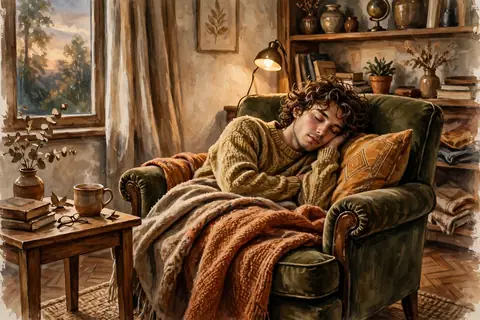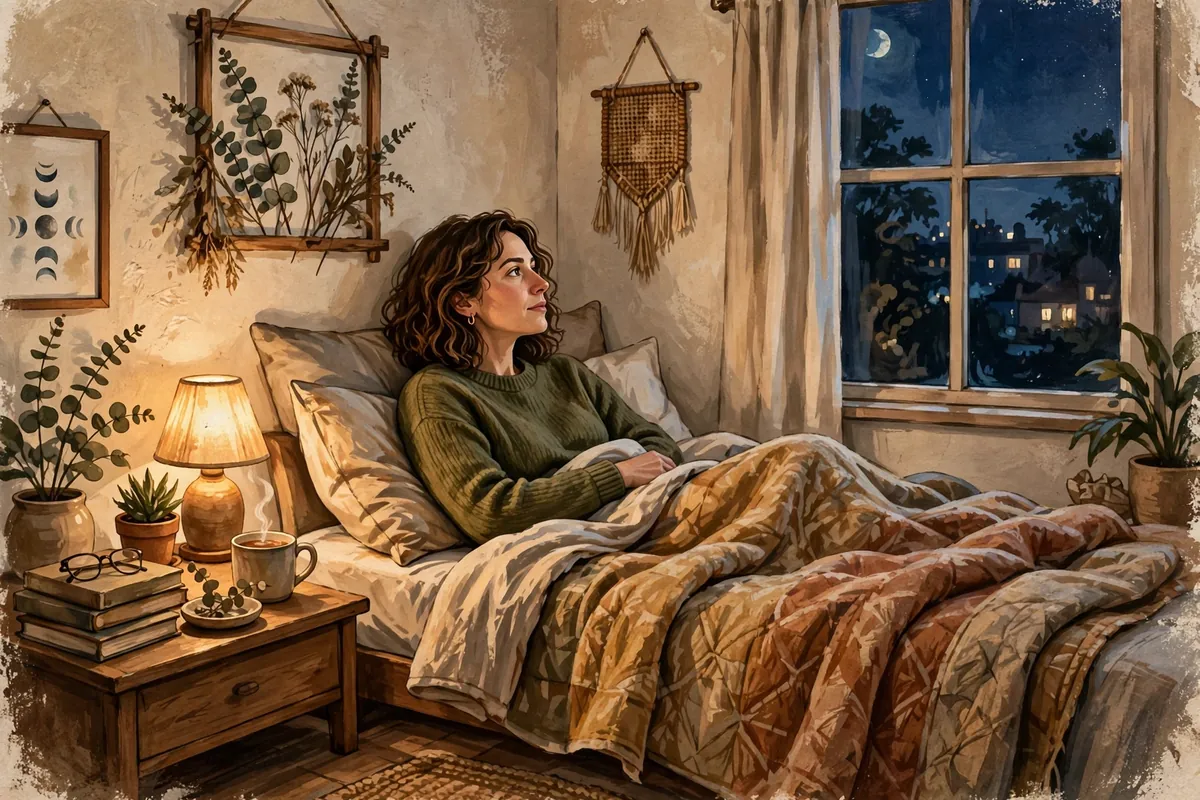
It's a familiar story. During the day, a sore shoulder or an aching back is a nuisance you mostly ignore. But at night, lying in a dark, silent room, the same pain seems to grow until it fills your whole attention. Is it really worse, or does it just feel that way?
There isn't one simple answer, but a few things seem to stack up. At night there's less to distract you, and distraction is known to change how intense pain feels. Some painful conditions also follow the body's daily clock and tend to strike at night. And poor sleep can make the body more sensitive to pain.
Nothing Else to Think About
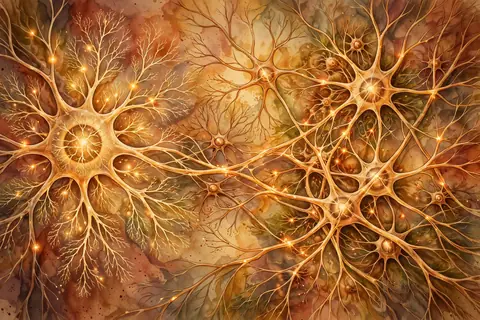
Pain isn't just a signal from a sore spot. It's also shaped by the mind. Psychological factors such as social support, excitement, and distraction can affect how intense or unpleasant pain feels.
During the day, your brain is busy with conversations, chores, noise, and movement. At night, all of that falls away. With no competition for your attention, an ache that was humming in the background can feel like it's suddenly turned up.
Your Body Runs on a Daily Clock
Many things in the body rise and fall over 24 hours. Take cortisol, a hormone that helps hold back substances that cause inflammation. Cortisol levels are highest early in the morning, around the time you wake up, and then drop through the day to their lowest point in the late evening.
That timing makes cortisol a plausible suspect for some nighttime aches, though it's only one possible piece of the puzzle. What is clear is that several painful conditions have a strong pull toward the night.
Conditions That Strike After Dark
Gout is a classic example. A gout attack usually begins during the night, often in the joint at the base of the big toe. Medical writers link this mainly to lower body temperature at night. Back in 1683, the English physician Thomas Sydenham described sufferers waking in the early hours with fierce pain in the big toe.
Cluster headaches are so regular that they're sometimes called alarm clock headaches. Attacks often recur at the same time of day and frequently wake people from sleep, which has led researchers to study the role of the body's biological clock.
Children aren't spared either. So-called growing pains, common between ages 3 and 16, usually show up in the evening or at night in the calves or thighs, and they're usually gone by morning. Restless legs syndrome, while not exactly pain, is also typically worse in the evening and early night.
Poor Sleep, More Pain
Pain and sleep can trap each other in a loop. Pain makes it harder to sleep, and research shows that chronic lack of sleep can lead to greater pain sensitivity and slower recovery from injuries. Sleep loss also boosts the body's inflammatory response.
That means a rough night can make the next night's pain feel a bit sharper, and so on. Sleep isn't a passive shutdown. It's an active time when the body repairs and recalibrates.
If pain regularly keeps you up or wakes you at night, talk to your doctor, since it can be a clue worth checking out. For the everyday aches, it may help to know that 2 a.m. has a way of making everything feel bigger. Things often look a little brighter, and feel a little softer, in the morning light.