Every household seems to have one of each. There's the early bird who pops out of bed after a short night, and the person who needs a long, uninterrupted sleep to function. It's easy to assume one is disciplined and the other is lazy. Science says that isn't fair at all.
The short answer is that human sleep needs genuinely vary, both by age and from one person to the next. Researchers consider sleep adequate when you don't feel sleepy or have trouble functioning during the day, rather than when you hit one magic number. Genes play a part, along with your body clock and your stage of life.
Age Changes Everything
The biggest difference is age. Newborn babies can sleep up to 18 hours a day, and the amount declines as children grow. Kids need many hours of sleep to develop and function properly.
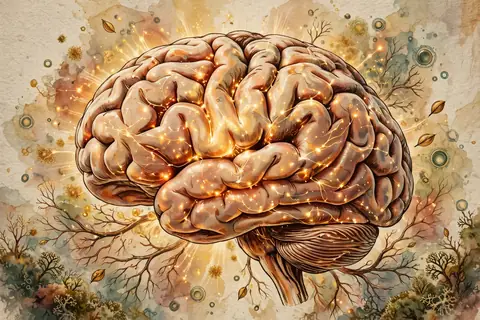
That early sleep goes along with remarkable growth. By age two, a child's brain has reached about 90 percent of adult size, and much of that growth happens during the period of life with the most sleep. Adults, by comparison, need considerably less.
The Rare Natural Short Sleepers
Then there are people who seem to break the rules. A rare, inherited trait called familial natural short sleep lets people sleep about 4 to 6 hours a night for their whole lives and still wake up feeling rested, without the usual effects of losing sleep.
This isn't the same as simply skimping on sleep. Most people who cut their sleep short become irritable and foggy, while natural short sleepers don't. The trait isn't considered a disorder, and it runs in families: a parent who carries it has a 50 percent chance of passing it on to each child.
Early research, led by the lab of scientist Ying-Hui Fu, linked short sleep in certain families to mutations in several genes, including one called DEC2. But the science has gotten more complicated. Later studies using large biobanks found other people with the same or similar mutations who didn't sleep any less, so the original cases may have had a different cause.
Lots of Genes, Each With a Tiny Effect
For most of us, how long we sleep isn't controlled by one powerful gene. Large genetic studies suggest it's shaped by many genetic variants, each with a small effect. The biggest ordinary genetic effect found so far changes sleep by only about three minutes.
Genes also help decide when we like to sleep. Your chronotype, whether you're more of a morning lark or a night owl, is inherited to a degree. Studies have tied it to 22 genetic variants near genes involved in sensing light and running the body's daily clock.
Your Body Clock Has a Say
Sleep timing is controlled by two main forces: your internal circadian clock and a steady buildup of sleep pressure the longer you stay awake. Modern life can throw those out of sync, thanks to night shifts, long trips, and bright indoor lighting.
Here's a curious twist. People aren't always good judges of their own sleep. How long people say they sleep matches only moderately with what activity trackers record, and some people believe they slept just four hours after sleeping a full eight.
So if you need more sleep than your neighbor, there's no reason to feel guilty about it. Bodies are simply built differently. If you're regularly tired during the day no matter how much you sleep, talk to your doctor. Otherwise, enjoy that extra hour under the covers.