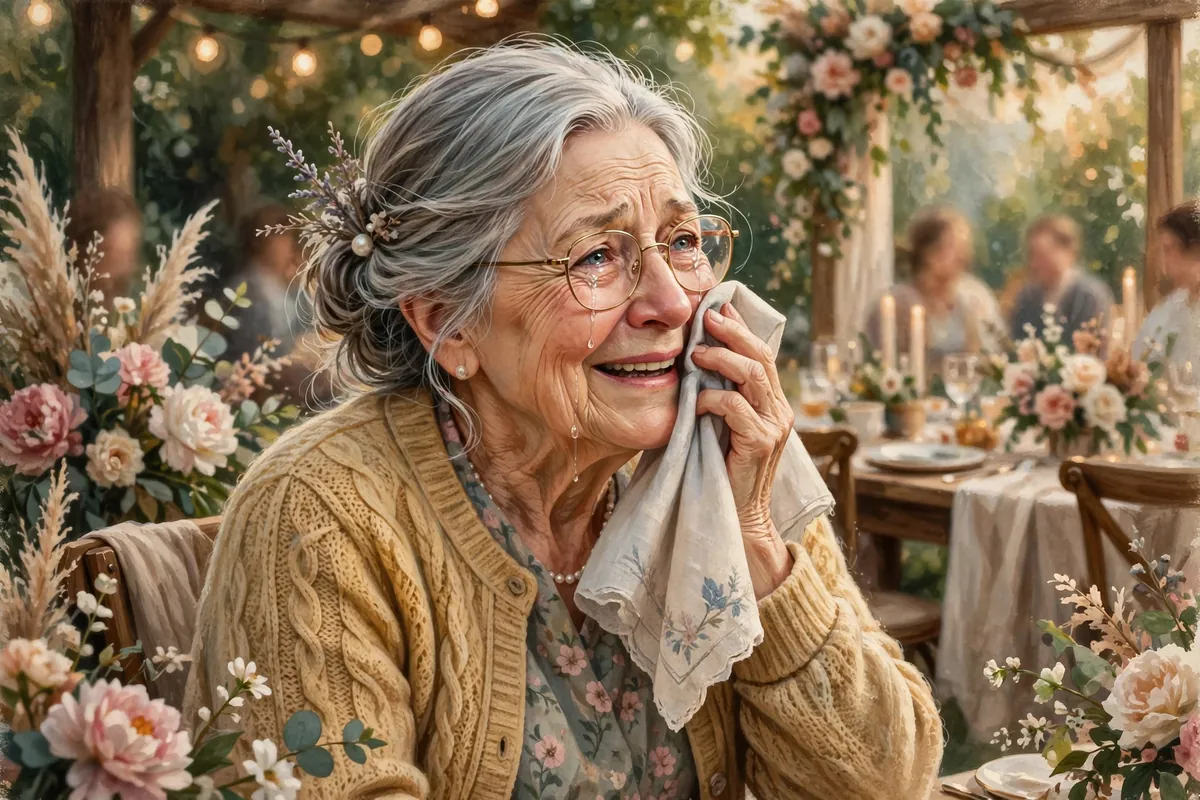
It's one of life's sweet contradictions. The music starts, the bride appears at the end of the aisle, and half the room is suddenly dabbing their eyes. Nobody is sad. In fact, they're overjoyed. So why does the body respond to pure happiness with the same tears we shed in grief?
The honest short answer is that scientists don't know for sure. The origin and purpose of emotional tears is still an open question. One leading idea is that crying is a release valve for any intense burst of feeling, whether it's agony, surprise, or joy. That would explain why we cry at both the best and the worst moments of our lives.
Not All Tears Are the Same
Your eyes make three basic kinds of tears. Basal tears keep your eyes moist all day. Reflex tears wash out irritants, like onion fumes or dust. And emotional tears are the ones that come with strong feelings, from sadness and grief to anger, fear, and happiness.
Emotional tears are chemically different from the onion kind. They contain higher levels of stress-related hormones and a natural painkiller called leucine enkephalin. That has led some researchers to suggest emotional tears help balance the body's stress hormones. They even travel a different nerve pathway. When the nerve that controls reflex tears is cut, those tears stop, but emotional tears keep coming.
A Release for Big Feelings
Crying can come from relief after a long stretch of stress or worry. Think of a family finally reunited at an airport, or a parent hearing that a child made it home safely. Some evidence suggests crying lowers stress levels, possibly with help from hormones such as oxytocin.
There's also a social side. One theory says tears are a kind of nonverbal message that draws other people closer and invites them to help or comfort us. Even happy tears tell everyone nearby that this moment matters deeply.
Frozen in a Perfect Moment
Some thinkers have tried to explain the difference between sad and happy tears through time and place. In this view, sad crying looks backward with regret or forward with dread. Happy crying is a response to a moment that feels as if it could last forever, as though we're frozen in a blissful present.
Another angle focuses on place. Sad crying can be about longing to be somewhere else, or with someone who is gone. Happy crying is about being intensely aware of being right here, such as at a relative's wedding. The philosopher Arthur Schopenhauer saw sorrowful crying as a way of comforting oneself, while joyful crying is a response to beauty and wonder.
Mixed Signals Are Normal
Happy tears aren't the only time our expressions seem to clash with our feelings. Researchers have studied what they call dimorphous expressions, where one emotional experience comes out in two very different ways. A famous example is cute aggression, the urge to squeeze or pinch something adorable, like a chubby baby's cheeks, without any wish to cause harm. About half of adults say they've felt it.
Happy tears look a lot like the same kind of overflow. When a feeling is simply too big, the body seems to borrow an expression from the opposite end of the scale.
So the next time you tear up at a graduation or a grandchild's first steps, don't be embarrassed. Your body is simply saying what words can't: this moment is too good to hold inside.