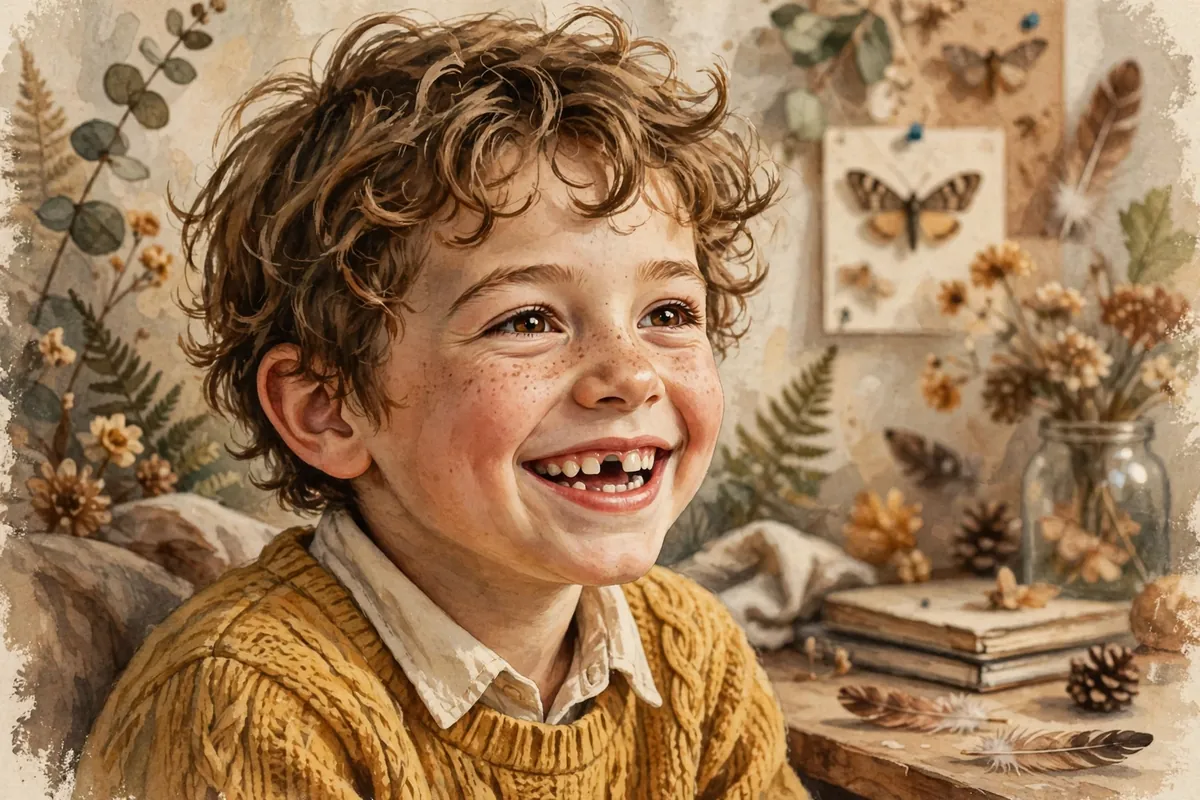
It seems like a strange design. A baby spends months teething, cranky and drooling, to grow a full set of little teeth. Then a few years later, every one of those teeth wiggles loose and falls out. Why not just grow the permanent ones from the start?
The short answer is that baby teeth aren't a throwaway set. They hold space in a child's growing jaw, guide the adult teeth into the right spots, and help the jaw bones and muscles develop properly. A small child's mouth simply can't fit a full set of large adult teeth, so baby teeth do the job until the jaw is ready. They also help kids chew, speak, and smile in the meantime.
Twenty Teeth With a Big Job
Baby teeth, also called primary or milk teeth, start forming surprisingly early. Their development begins around the sixth week of a pregnancy, and by eight weeks the buds for all of them are already in place.
A full set has 20 teeth, five in each quarter of the mouth. Teething usually starts around six months of age and continues until somewhere between 25 and 33 months. The first teeth to appear are usually the bottom front teeth, and the last are the back upper molars.
Dentists consider these teeth essential to how the mouth develops. Baby teeth keep the correct length of the jaw's arch and maintain proper spacing for the permanent teeth. The muscles of the jaw and the formation of the jaw bones depend on them. Even their roots matter, giving the adult teeth a pathway to follow as they come in.
How a Tooth Gets Pushed Out
Loose teeth don't just happen at random. As a permanent tooth grows, it pushes against the roots of the baby tooth above it. Special cells dissolve those roots little by little, until the baby tooth has almost nothing holding it in place. That's why a lost baby tooth often looks like it has hardly any root at all.
This shedding usually happens between the ages of six and twelve, normally without pain or bleeding. By age thirteen, most kids have only permanent teeth left. Sometimes, though, a baby tooth stays put well into adulthood, often because the adult tooth meant to replace it never developed.
Two Sets, Not Many
Having exactly two sets of teeth is common among mammals. Scientists call animals like us diphyodonts, meaning two sets. But a few mammals do things differently. Elephants, kangaroos, and manatees keep replacing their teeth in a series over their lives.
Our adult set is much bigger than the baby set: 32 permanent teeth in all, compared with 20 baby teeth. The first permanent teeth to show up are usually the first molars, which come in right behind the last baby molars, often without anyone noticing since nothing falls out to make room.
Teeth on Roofs and Under Pillows
Losing baby teeth comes with traditions all over the world. In Turkey, Cyprus, and Greece, children throw their fallen teeth onto the roof while making a wish. In several Asian countries, kids toss a lower tooth onto the roof and an upper one beneath the floor, asking for it to be replaced by a mouse's tooth, since rodent teeth keep growing for life.
In America, of course, there's the Tooth Fairy. The earliest known record of the tradition is a 1908 household hints column in the Chicago Daily Tribune. According to dental insurer Delta Dental, the average payout per tooth in the United States rose from $1.30 in 1998 to $6.23 in 2023, before slipping to $5.01 in 2025.
So the next time you see a little one grinning with a gap where a tooth used to be, remember that the missing tooth did important work. It held a spot, guided a new tooth home, and earned its place under the pillow.