You walk out to grab the morning paper in your robe, and the cold hits you. A few moments later, your arms are trembling, your jaw is chattering, and there isn't a thing you can do to stop it. It feels like your body is falling apart. In fact, it's doing exactly what it should.
Shivering is a reflex that warms you up. When your core temperature drops, your brain tells your skeletal muscles to make lots of small, quick movements. All that muscle work burns energy, and the byproduct is heat. In short, shivering turns your muscles into a built-in heater.
Your Brain Has a Thermostat
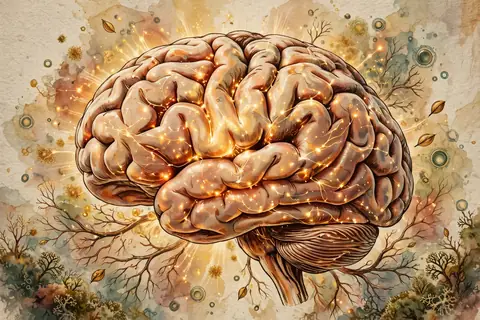
The control room is deep in your brain, in a region called the hypothalamus. Part of it is known as the primary motor center for shivering. Normally, signals from a nearby heat center keep it quiet.
But when cold signals arrive from your skin and spinal cord, that center wakes up. It switches on when your body temperature falls even a fraction of a degree below a critical level. Then it sets off rapid muscle contractions, producing heat to bring you back toward normal, which for most people sits around 97.7 to 99.5°F.
Chattering Teeth and Goose Bumps
Chattering teeth are part of the same response. When your jaw muscles start to shiver, your teeth knock together. It sounds dramatic, but it's simply more muscles joining the effort to make heat.
Goose bumps often show up at the same time. Cold makes tiny muscles attached to each hair follicle contract, so the hairs stand up. For furry animals, raised hair traps a layer of air that works as insulation. For us, with much less body hair, it's mostly a leftover from our ancestors.
Why You Shiver With a Fever
Here's a puzzling one: why would you shiver when you have a fever and are already running hot? During a fever, your brain raises its temperature set point. Until your body climbs up to that new target, you actually feel cold, so you shiver to get there.
Shivering can also happen after surgery, when people come out of anesthesia. And sometimes it comes from the mind alone, which is called psychogenic shivering. Strong fear can set it off too.
Babies and Older Adults Are Different
Newborns and young children lose heat faster than adults because they're small compared with their surface area. Babies can't shiver to keep warm, so they rely on a different trick. They have more brown fat, a special tissue that burns fuel to make heat directly.
At the other end of life, things change too. As we age, the body's temperature control system becomes less effective. In older people, the shiver response may be greatly reduced or even absent, which can let core body temperature drop further in the cold. That's one reason warm layers matter so much as we get older.
Shivering is also a warning sign worth respecting. In mild hypothermia, a body temperature below 95°F, people shiver and may get confused. In more serious cases, shivering can actually stop. If you or someone you love gets chilled easily, talk to your doctor about staying safe in cold weather.
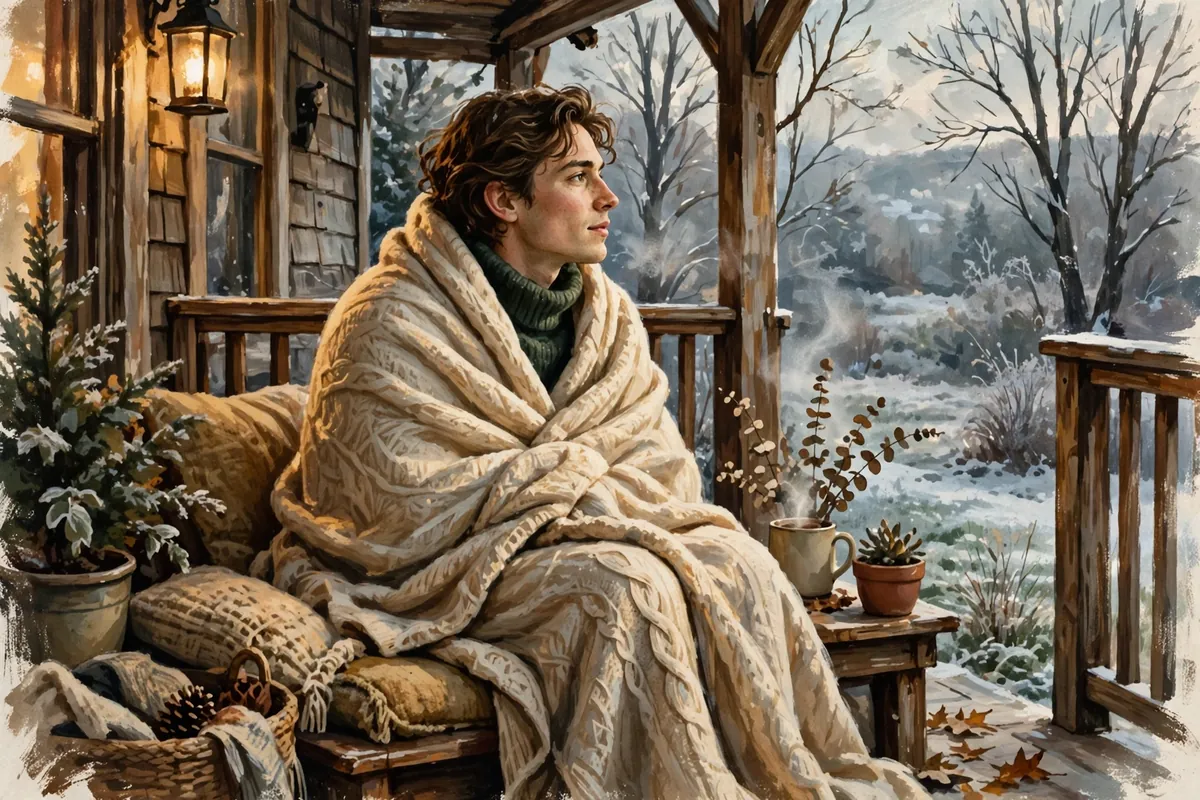
So the next time you find yourself shaking on a chilly porch, think of it as your body's emergency furnace kicking on. It's not elegant, but it works, and a warm blanket and a hot cup of coffee will help it finish the job.