For millions of families, Thanksgiving morning means coffee, the smell of turkey, and the Macy's parade on TV. Giant balloons shaped like cartoon characters float between the skyscrapers of Manhattan. But the parade didn't start out with balloons at all. The first one had something far wilder marching down the street.
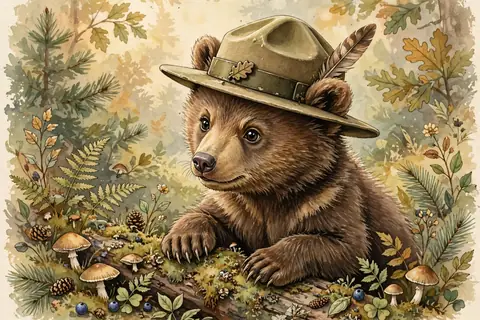
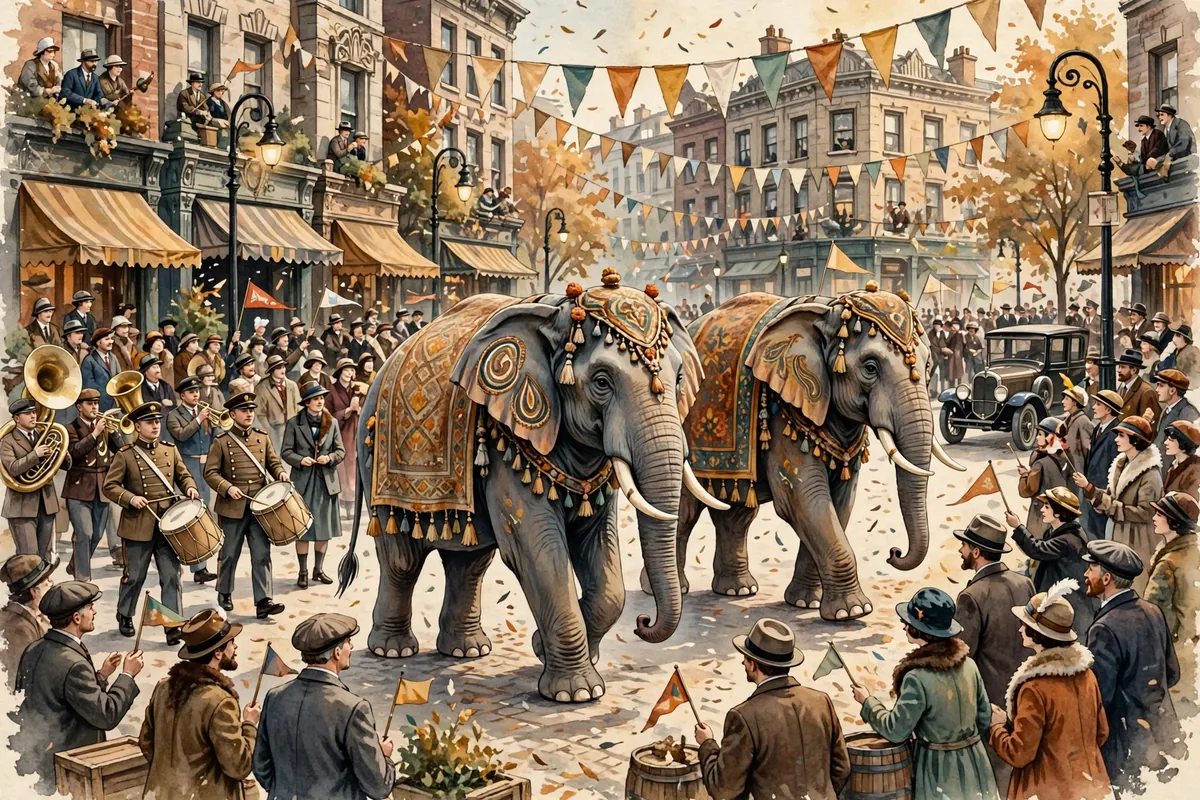
The short answer is real zoo animals. In 1924, Macy's held its first parade, with store employees in colorful costumes, floats, professional bands, and live animals borrowed from the Central Park Zoo. The famous balloons didn't arrive until 1927, when an air-filled Felix the Cat replaced the live animals.
The Very First Parade
That first parade ended at Macy's Herald Square, the flagship store on 34th Street. At the finish, Santa Claus arrived, was seated on the Macy's balcony above the store's entrance, and was crowned "King of the Kiddies." More than 250,000 people turned out to watch.
Even though the newspapers barely covered it, the parade was such a hit that Macy's declared it would become an annual event. Many of the store's employees at the time were European immigrants, and their own traditions helped shape the celebration.
From Zoo Animals to Balloons
The man behind the balloons was Tony Sarg, a puppeteer who had loved marionettes since he was young. He started a marionette business in London, then moved to New York City, where he performed with his puppets on the street. Macy's heard about his talents and asked him to design a parade-themed window display. In 1927, his air-filled Felix the Cat balloon, propped up with sticks, joined the parade, replacing the live zoo animals.
The next year, in 1928, Macy's switched from air to helium so the balloons could truly float. Sarg's large animal-shaped balloons were made by the Goodyear Tire and Rubber Company in Akron, Ohio.
Balloons Set Free Over the City
In the early years, the parade ended with a surprise. Instead of deflating the balloons, Macy's let them go. They were designed to leak slowly over about a week and drift back down, and whoever found one could claim a reward, at first $100.
It led to some wild moments. In 1931, aviation pioneer Clarence Chamberlin spotted a dragon balloon in midair, clipped its head off with his plane's wingtip, and claimed a $25 reward. All but one of the released balloons were eventually returned. The lone exception was a blue hippopotamus that drifted past the Empire State Building in 1931 and was never found. The releases ended in 1932, after a novice pilot attempting the same stunt nearly crashed.
A Parade That Grew Up
By 1933, more than a million people lined the route. Mickey Mouse got his first balloon in 1934. The parade paused from 1942 to 1944 because rubber and helium were needed for World War II, then returned in 1945. Local New York radio stations had been broadcasting the festivities since 1932, and the parade first appeared on network television in 1948. Footage of the 1946 parade appeared in the 1947 film Miracle on 34th Street, and NBC has televised it nationally since 1953.
Today it's the world's largest parade, but its roots are charmingly homemade. So this Thanksgiving, as the giant balloons sail past, picture the very first parade, with costumed store clerks and a few bewildered zoo animals strolling toward 34th Street.