Ask most people about the big events of 1918 and they'll mention the end of World War I. Far fewer bring up the illness that swept across the planet at the very same time. Yet that flu touched nearly every corner of the globe, and its story still shapes how we respond to outbreaks today.
Here's the short version. The 1918 to 1920 flu pandemic was caused by an H1N1 influenza virus. Over about two years, an estimated 500 million people, nearly a third of the world's population, were infected. Death toll estimates range from 17 million to 50 million, and possibly as high as 100 million, making it one of the deadliest pandemics in history.
Why Was It Called the Spanish Flu?
Despite the famous nickname, there's no evidence the flu started in Spain. The earliest probable cases were documented in March 1918 in Haskell County, Kansas. By April, cases had also appeared in France, Germany, and Britain.
The name came from the war. Countries fighting in World War I censored bad news to keep morale up. Spain was neutral, so its newspapers reported the outbreak freely. That gave the world the misleading impression that Spain was the center of it all. Where the virus truly began is still uncertain.
The Deadly Second Wave
The first wave in early 1918 was relatively mild, much like an ordinary flu season. Then, in late August, a second wave began, and it was far deadlier. October 1918 was the worst month of the entire pandemic. In the United States, about 292,000 deaths were reported from September to December 1918, compared with about 26,000 in the same months of 1915.
Unusually, this flu seemed to hit many young adults hard, though some researchers have questioned how unusual that really was. Many victims died from bacterial pneumonia that followed the flu. The war made everything worse, with crowded camps and hospitals, poor nutrition, and troops moving around the world.
Then, almost as suddenly, cases dropped. In Philadelphia, 4,597 people died in a single week in mid-October, but by November 11 the flu had nearly vanished from the city.
How People Fought Back
There were no flu vaccines or antiviral drugs. The vaccines that existed targeted bacteria, not the virus, so they could only help with secondary infections. Instead, communities did what they could. Schools, theaters, and churches closed. Public gatherings were banned. Some islands, including Iceland and American Samoa, used sea quarantines that saved many lives.
Face masks became common in some places, like Japan, though they were debated. San Francisco even had an Anti-Mask League. A later study found that measures like banning gatherings and requiring masks could cut death rates by up to half, but only when started early and not lifted too soon.
Why It Was Nearly Forgotten
After it ended, the pandemic slowly faded from public conversation, leading some historians to call it the forgotten pandemic. It moved so fast that most American victims died within less than nine months, which limited news coverage. It was also overshadowed by remembrance of World War I. At the time, people were used to deadly outbreaks of typhoid, diphtheria, and cholera, so the flu seemed less unusual. Even so, one historian has shown that families and communities around the world kept its memory alive in private and local traditions.
Science eventually caught up with the old virus. In 2005, researchers announced they had decoded its genes, using tissue from a victim buried in the Alaskan permafrost and samples preserved from American soldiers. What they learned helps scientists prepare for future pandemics. If you have questions about today's flu shots, talk to your doctor.
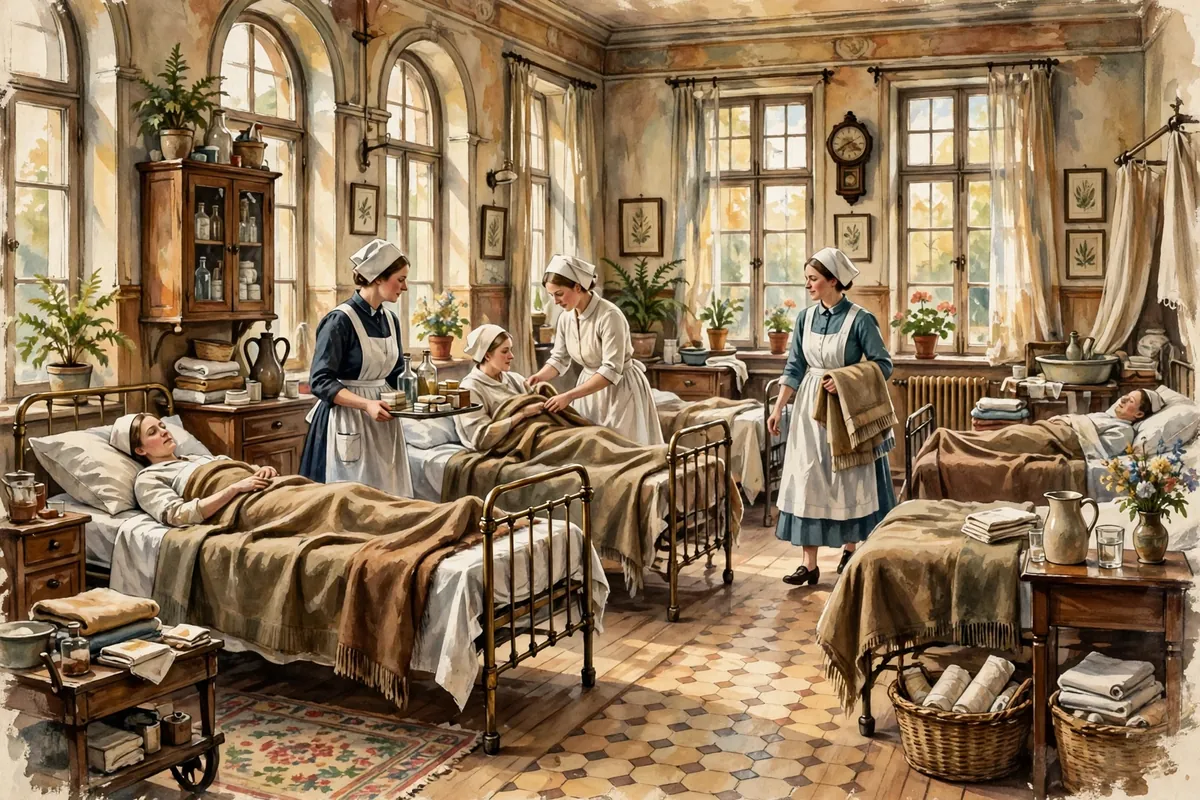
More than a century later, the 1918 flu is no longer forgotten. It reminds us how much we've learned, and how many ordinary people, from nurses to neighbors, helped each other through a frightening time.