Few places have a spookier reputation than the stretch of ocean between Florida, Bermuda, and Puerto Rico. Books, TV specials, and late-night talk shows have blamed its vanished ships and planes on everything from strange magnetic forces to lost civilizations. It's a great campfire story. But is any of it true?
The short answer is no. Extensive investigations, including by the U.S. government and scientific organizations, have found no evidence of anything unusual happening there. Ships and planes are lost in the area at about the same rate as in other busy parts of the ocean, and the incidents that do happen are explained by storms, human error, and plain old misreporting.
How the Legend Was Born
The idea is younger than many people think. The earliest suggestion of unusual disappearances near Bermuda appeared in a Miami Herald article that ran in newspapers in September 1950. Two years later, a short piece in Fate magazine first drew the now-famous triangle on the map.
In 1964, writer Vincent Gaddis put the name in the headline of an article called "The Deadly Bermuda Triangle." Other authors added more and more supernatural twists, and Charles Berlitz's 1974 bestseller The Bermuda Triangle made the legend a household name.
The Most Famous Case: Flight 19
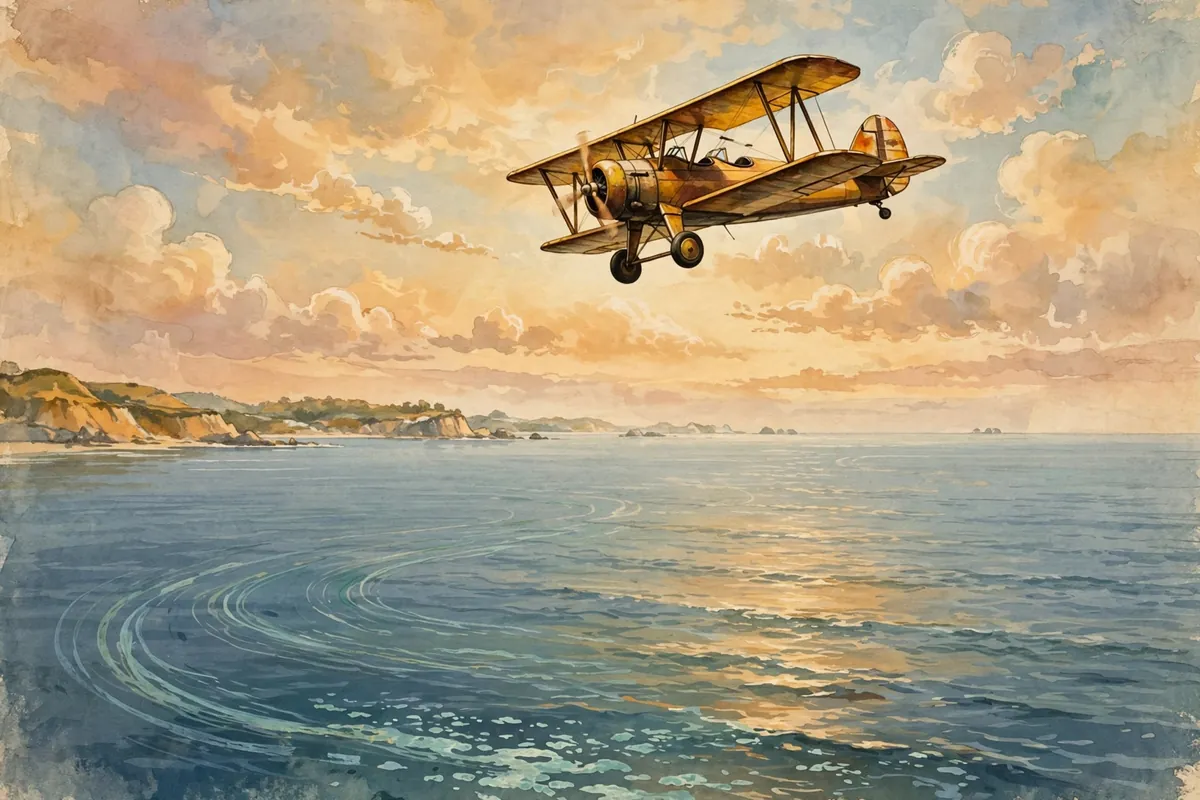
The story most often told is Flight 19. In December 1945, five Navy torpedo bombers on a training flight from Fort Lauderdale lost contact and disappeared. A rescue plane sent to search for them was lost too, along with its crew of 13.
It sounds eerie, but Navy investigators reached a down-to-earth conclusion. The flight leader's compasses had stopped working, and he mistook small islands for the Florida Keys, leading the planes out over open sea instead of back toward land. The Navy later changed the official cause to unknown to avoid blaming him. The search plane was believed to have exploded in mid-air.
The Researcher Who Checked the Facts
In 1975, researcher Larry Kusche published a book called The Bermuda Triangle Mystery: Solved. His method was simple. He went back to newspapers from the dates of the famous disappearances and checked what had really happened.
What he found was eye-opening. Some disappearances were reported, but the boat's later return to port never was. Several stories left out the storms that were raging at the time, or claimed calm seas when weather records said otherwise. Some incidents didn't even happen inside the triangle. One ship said to have vanished in the Atlantic had actually been lost in the Pacific.
Kusche concluded that the legend was a manufactured mystery, kept alive by sensationalism, sloppy research, and in some cases hoaxes.
What the Experts Say Today
The insurance market Lloyd's of London looked into the question and found that unusually large numbers of ships had not sunk there. It doesn't charge extra to sail through the area, and U.S. Coast Guard records back that up. In a 2013 study, the World Wide Fund for Nature listed the world's ten most dangerous waters for shipping, and the Bermuda Triangle didn't make the list.
That doesn't mean the area is harmless. NOAA points to hurricanes, sudden weather changes from the Gulf Stream, and shallow waters as real hazards, the same kinds of hazards sailors face elsewhere. And it's a very busy stretch of sea, so some losses are to be expected.
So if you ever take a cruise to Bermuda, you can relax and enjoy the view. The real mystery of the Bermuda Triangle isn't what lurks beneath the waves. It's how a few exciting magazine articles turned an ordinary patch of ocean into one of the most famous legends of all time.