Vending machines feel like a thoroughly modern invention. Feed in some money, press a button, and out drops a soda or a bag of chips. But the basic idea of trading a coin for a product, with no shopkeeper involved, is far older than most people would guess.
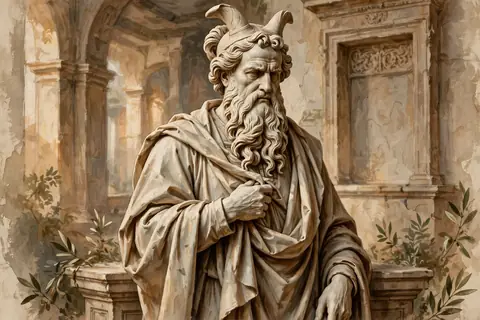
The earliest known description of a vending machine comes from Hero of Alexandria, an engineer and mathematician who lived in Roman Egypt in the first century AD. His machine took a coin and released a measured amount of liquid. It's usually described as dispensing holy water, meaning water for ritual washing, though some accounts mention wine.
How a 2,000-Year-Old Machine Worked
Hero's design was beautifully simple. A coin dropped through a slot on top of the machine and landed on a small pan attached to a lever.
The weight of the coin pushed the pan down, which tipped the lever and opened a valve. Liquid began to flow out. As the pan kept tilting, the coin eventually slid off. Then a counterweight snapped the lever back up and shut the valve. One coin bought one measured serving, and no attendant was needed.
It's the same core idea behind many machines that came later: payment triggers a mechanism, the mechanism delivers a set amount, and then it resets itself for the next customer.
Who Was Hero of Alexandria?
Hero was one of the great inventors of the ancient world. He wrote books describing machines that ran on air, steam, or water pressure, including a water-powered organ. Like many inventors, he built on the work of others, and some of his ideas came from an earlier engineer named Ctesibius.
He's best known for the aeolipile, sometimes called Hero's engine, a spinning device powered by steam. It's often called the first recorded steam engine. He also described a windwheel, considered the earliest example of harnessing wind on land.
Some of his machines were made to amaze. His writings describe automatic temple doors and statues that poured wine and milk. In one design, air warmed by an altar fire pushed water out of a sealed container, and the weight of that water pulled on a rope to open temple doors.
The Long Road to the Snack Machine
After Hero, the idea resurfaced in different forms. By 1615, brass coin-operated boxes that dispensed tobacco were in use in English taverns. In 1822, an English bookseller named Richard Carlile built a machine to sell newspapers, including banned works.
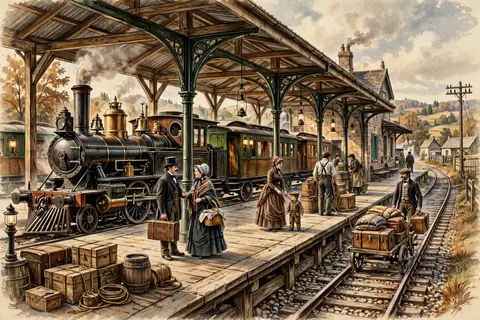
The first modern coin-operated vending machines appeared in London in the early 1880s and sold postcards. They soon spread to railway stations and post offices, offering envelopes, postcards, and notepaper.
The United States got its first vending machine in 1888, when the Thomas Adams Gum Company began selling gum on New York City train platforms. A few years later, the Pulver Manufacturing Company added little moving figures that came to life whenever someone bought gum, a fun extra to encourage sales.
A Very Old Idea in a Modern Box
Today, vending is big business. In 2023, the U.S. vending machine industry was estimated to be worth about $18.2 billion.
So the next time you feed a dollar into a machine for a cold drink, you're using an idea that goes back nearly two thousand years. Hero of Alexandria might not recognize the snacks, but he'd understand exactly how that coin slot works.