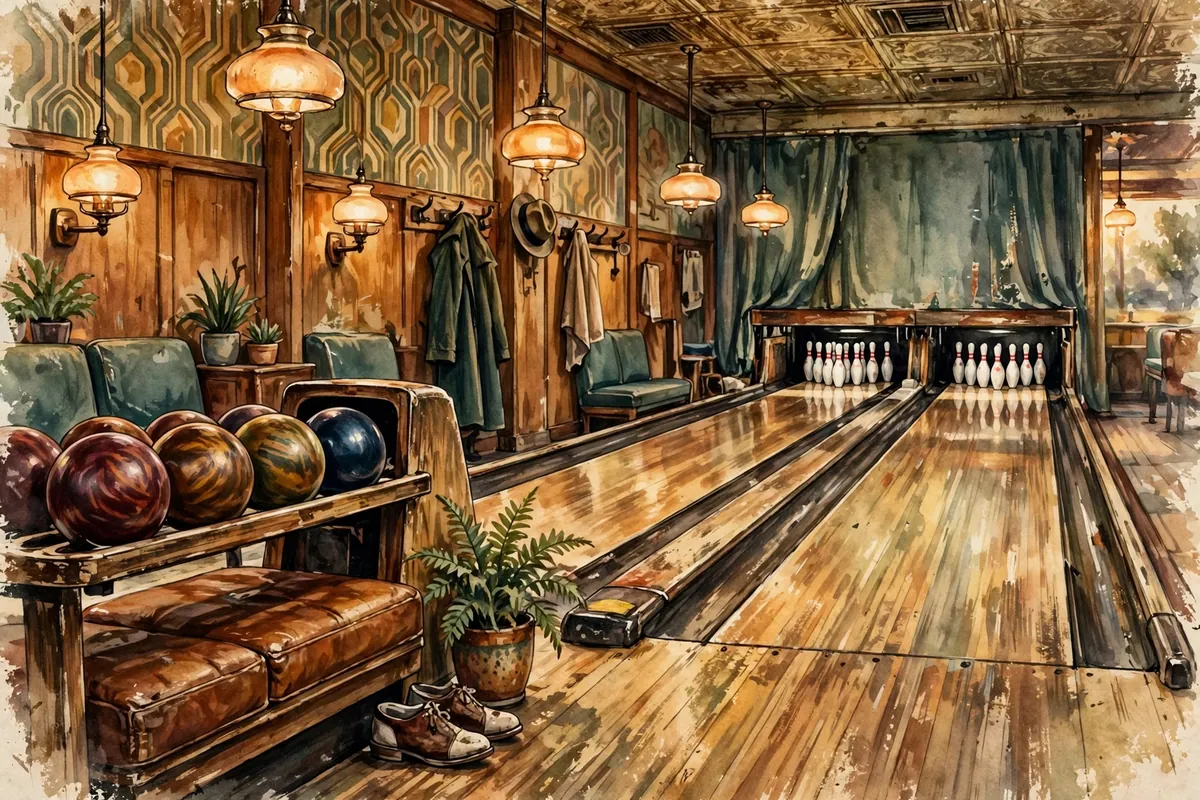
The White House is full of grand rooms: the East Room, the Blue Room, the Oval Office. But tucked away underground is a spot that feels more like a neighborhood rec center than a seat of power. It's a bowling alley. So which president decided the people's house needed its own lane?
The short answer is that it took two presidents. The first White House bowling lanes were installed in the West Wing in the late 1940s as a birthday gift for President Harry S. Truman. Those lanes were later moved out of the building. Then, in 1973, President Richard Nixon added a single-lane bowling alley to the White House basement, and that's the one still there today.
Truman's Birthday Surprise
Truman's lanes were a gift, installed on the ground floor of the West Wing. There were two of them, giving the busy postwar White House an unusual place to unwind. Sources differ on whether they went in during 1947 or 1948, but either way, they arrived while Truman was in office.
The lanes didn't stay long in that spot. In 1955, they were moved next door to what was then called the Old Executive Office Building, now the Eisenhower Executive Office Building, for the benefit of White House employees.
From Bowling Alley to Situation Room
Here's where the story gets fun. Once the bowling lanes were gone, their old space in the West Wing became a mimeograph room, a place for making copies of documents. Then, in 1961, the same space became the Situation Room, where presidents gather advisers during a crisis.
In other words, some of the most serious decisions in modern American history have been made in a spot where, not long before, people were rolling balls at pins. History has a sense of humor.
Nixon's Lane in the Basement
In 1973, Richard Nixon brought bowling back under the White House roof. He added a single-lane alley to the basement under the North Portico. It shares the floor with some surprisingly ordinary workspaces, including a carpenters' shop, an engineers' shop, a flower shop, and even a dentist's office.
Nixon made other changes to the building, too. He created the modern press briefing room on top of Franklin Roosevelt's old indoor swimming pool. Meanwhile, First Lady Pat Nixon refurbished the Green, Blue, and Red Rooms and brought more than 600 artifacts into the house, the largest such collection by any administration.
Still Rolling Today
The basement lane has been cared for by later administrations. During Donald Trump's first term, First Lady Melania Trump included the White House bowling alley among the historic features she worked to preserve.
Truman's old lanes, meanwhile, had a rougher time. In 2014, the government published and quickly withdrew a request for bids to replace them, describing the lanes as "irreparable" after years without proper professional maintenance.
The timing of the first lanes fits a bigger American story. Bowling boomed after World War II, helped along by automatic pinsetters and frequent TV broadcasts in the 1950s. A 1958 report even called bowling alleys the "poor man's country club." Yet here was the president of the United States with his very own lanes.
So the next time you lace up rented shoes at your local alley, remember that you're in good company. Somewhere under the White House, there's a lane waiting for its next game, with a president's name on the scorecard.