It's a holiday tradition as old as the gravy boat. The big meal ends, everyone migrates to the living room, and within half an hour somebody is snoring in the recliner. Even the people who swore they'd help with the dishes are fighting to keep their eyes open.
That drowsy, low-energy feeling has a real name: postprandial somnolence, better known as a food coma. The exact cause isn't known, but scientists have several leading ideas. The main ones involve your nervous system shifting into rest-and-digest mode and the way a big, carb-heavy meal changes your body chemistry. The turkey, it turns out, is mostly innocent.
Your Body Switches to Rest Mode
Your body has two settings that pull against each other. One is the fight-or-flight system that gets you moving. The other, called the parasympathetic system, handles rest and digestion.
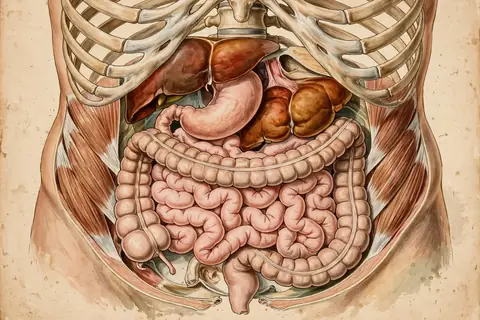
When food arrives in your stomach and small intestine, the rest-and-digest side becomes more active and the fight-or-flight side quiets down. The result is a feeling of low energy and a strong wish to sit still. It's basically the opposite of the wide-awake, revved-up feeling you get when you're startled. The bigger the meal, the bigger that shift, no matter what the meal is made of.
The Carbohydrate Connection
The other big theory starts with the mashed potatoes, rolls, and pie. A meal rich in easily digested carbohydrates sends more sugar into your blood, and your body releases insulin to handle it.
Insulin has a side effect. It helps pull several building blocks of protein into your muscles, but not one called tryptophan. With less competition, more tryptophan can cross into the brain. There it's turned into serotonin and then melatonin, a hormone tied to sleep. Higher levels of those can leave you feeling sleepy.
Scientists have also found that a small rise in blood sugar after eating may quiet certain brain cells in the hypothalamus that help keep you alert. Less alertness signal, more yawning.
Why the Turkey Gets a Bad Rap
Here's the myth that refuses to die. Lots of people believe turkey is packed with tryptophan, and that's why Thanksgiving dinner knocks everyone out. In reality, turkey has about the same amount of tryptophan as chicken, beef, and other meats. It doesn't raise tryptophan in your blood any more than other common foods do.
Researchers suspect the real sleepiness comes from everything else on the plate, especially the carbohydrates, along with the sheer size of the meal. Turkey is just the most famous dish at the table, so it takes the blame. The same story gets told about Christmas dinner in Britain, where turkey is also the star of the holiday table. Either way, the bird is not the reason Grandpa is asleep in his chair.
The Blood Flow Myth, Too
Another popular explanation is that blood rushes to your stomach and leaves your brain short. It's true that digesting a meal sends more blood to the stomach and intestines. But that blood mostly comes from your muscles, and your heart pumps more to keep up. Blood and oxygen flow to the brain are tightly regulated and don't drop after a meal.
An after-dinner slump is normal and harmless for most people. If you often feel unusually drained after eating, though, talk to your doctor.
Otherwise, consider the post-feast nap a time-honored family tradition. Just maybe let the turkey off the hook this year.