Look at the back of your hand. It seems like the same skin you had last year, and in a sense it is. But the very top layer is in constant motion, with new cells rising from below and old ones slipping away so quietly you never notice.
Here's the short version. New skin cells are born at the bottom of the epidermis, the skin's outer layer. They slowly travel upward, changing as they go, until they reach the surface as flat, tough, dead cells that eventually flake off. By one estimate, the entire epidermis is replaced over a period of about 48 days.
A Cell Factory at the Bottom
The epidermis is built in layers, a bit like a stack of pancakes. The deepest one is called the basal layer, and that's where new cells are made by cell division. Most of these cells are keratinocytes, which make up about 90 percent of the cells in the epidermis.
Interestingly, the epidermis has no blood vessels of its own. As new cells get pushed upward, away from their blood supply below, they change shape and composition and eventually die. Along the way, they fill up with keratin, a tough protein. This process is called keratinization.
The Journey to the Surface
The trip takes time. A cell spends about two weeks moving from the bottom layer up through the middle layers, then roughly four more weeks crossing the outermost layer, called the stratum corneum.
Estimates do vary. One source puts the total time for a cell to form and then be shed at about 14 weeks, and the pace differs around the body. Shedding is slower on the palms and soles and quicker where skin is thin, like the eyelids.
A Wall of Bricks and Mortar
That outermost layer may be made of dead cells, but it does a very important job. It's roughly 15 layers of flattened, keratin-filled cells surrounded by layers of fats. Together they form a barrier that keeps water in and harmful chemicals and germs out.
The cells are held together by tiny connectors. Before a cell can fall off, enzymes have to break those links. Then, in healthy skin, the old cells are shed one at a time, too small to see. The scientific name for this shedding is desquamation, from a Latin word meaning to scrape the scales off a fish.
Catching It in the Act
You can sometimes catch the process in action. Soaking in warm or hot water can help loosen the outermost cells, which is why you may notice a bit of flaking after a long bath or shower.
Meanwhile, other cells in the epidermis have their own jobs. Melanocytes make pigment. Langerhans cells help with immune defense. Merkel cells, found in large numbers in sensitive spots like the fingertips and lips, seem to be involved in sensing light touch. If you ever notice unusual peeling or changes in your skin, talk to your doctor.
The Body's Biggest Organ
All this renewal happens across a lot of territory. The skin is the largest organ in the human body, making up roughly 16 percent of body mass. On an average adult, it covers about 16 to 22 square feet.
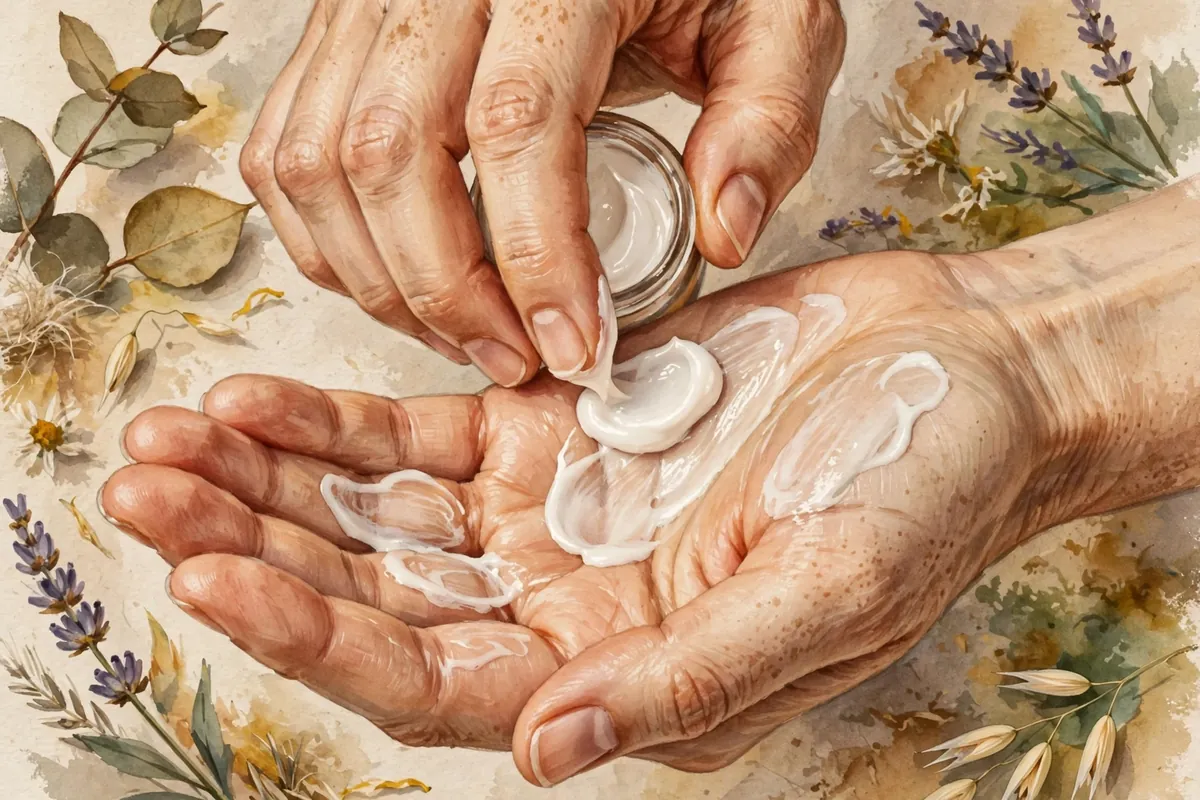
So the next time you rub lotion into your hands, give your skin a little credit. It's quietly rebuilding itself from the ground up, every single day, without ever asking for a day off.