Everyone has that relative. One sneeze is never enough. It's always two, or three, sometimes more, until the whole room is saying "bless you" on a loop. So why do some people sneeze in sets, and is there something special about the number three?
Here's the honest answer: science hasn't pinned down why some people sneeze in bunches, and there's no evidence the number three is special. What researchers do know is how a sneeze works, what can set one off, and that some triggers are famous for causing whole bursts of sneezes rather than just one.
What a Sneeze Really Is
A sneeze is a reflex, mostly out of your control. It usually starts when something irritates the lining of your nose, like dust or pollen. Special sensory nerve cells send a signal along the trigeminal nerve to the brainstem, which then fires off orders to muscles all over your body.
First, your diaphragm and rib muscles pull in a big breath. Then your chest and belly muscles squeeze hard and force the air out in a powerful burst through your nose and mouth. The goal is simple: blast out whatever was bothering you.
That's one reason a second or third sneeze isn't too surprising. The reflex exists to clear the nose, and it can fire more than once. Exactly why some people reliably sneeze in groups while others stop at one, though, remains a bit of a mystery.
Triggers Known for Sneezing Fits
Some of the best clues come from unusual triggers. One is bright light. Many people sneeze when they step out of a dark building into sunshine. It's called the photic sneeze reflex, and it affects an estimated 18 to 35 percent of people. It runs in families.
Its playful nickname is the ACHOO syndrome, short for a long medical phrase that includes the words "outbursts of sneezing." In other words, it often brings on a fit, not a single sneeze. Scientists still debate exactly how light ends up triggering the sneeze reflex.
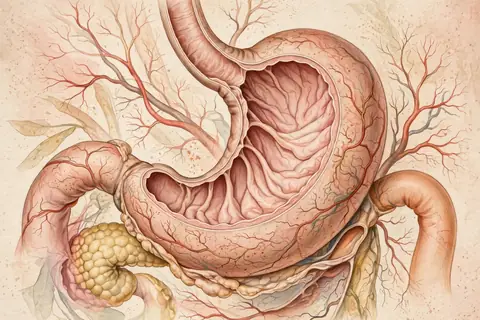
An even rarer trigger is a very full stomach. Some people get uncontrollable bursts of sneezing right after a large meal. Doctors first described it in 1989, and it also seems to run in families. A researcher later gave it a cheeky name: snatiation, a blend of "sneeze" and "satiation."
Why Three Sneezes Feel Meaningful
The number of sneezes has carried meaning for a very long time. In parts of East Asia, including China, Korea, Japan, and Vietnam, there's a traditional belief that a sneeze means someone is talking about you. One sneeze means something good is being said. Two means someone is thinking of you. Three means someone is in love with you. More than that? You might be catching a cold.
The idea is old. A link between sneezing and gossip appears in the Book of Songs, a collection of ancient Chinese poems, as early as 1000 BC. Today the belief still pops up in Japanese comics and cartoons.
A Few Sneezy Surprises
You don't sneeze in your sleep, at least not without waking up. During deep sleep, the body's motor signals are switched off, so a strong enough tickle has to wake you first. And the old claim that you can't sneeze with your eyes open isn't true. Your eyelids usually close by reflex, but it isn't impossible to keep them open.
Whether you're a one-and-done sneezer or a triple-header, the best habit is the same: sneeze into your elbow or a tissue. And if sneezing fits ever start to interfere with daily life, it's worth a chat with your doctor. Otherwise, enjoy the extra blessings.