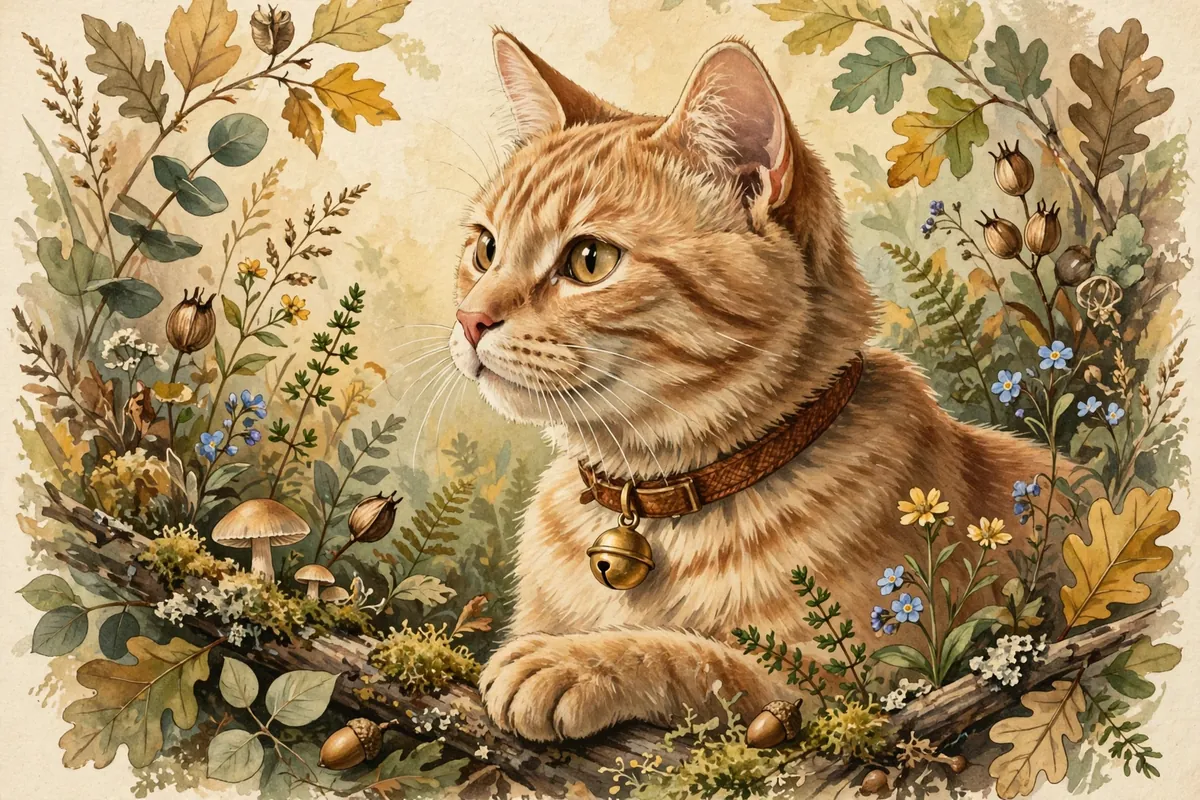
It's a familiar sound in many homes: a soft jingle that tells you the cat is coming down the hallway. Some owners love it, some cats seem to tolerate it, and plenty of people have wondered whether the bell does anything at all.
The main reason for a bell is to give wildlife a warning. Cats are skilled hunters, and a jingling bell can alert birds and other small animals that a predator is near, giving them a head start to escape. Bells are one kind of anti-predation collar, and research suggests these collars can make a real difference for birds.
Why Birds Need the Warning
House cats are natural predators. They hunt either by stalking prey or by waiting in ambush until something comes close. That's great for catching mice, but hard on songbirds. Outdoor cats tend to be most active around dawn and dusk, and many range hundreds of meters from home.
The numbers are large. A 2013 study by scientists from the Smithsonian Conservation Biology Institute and the U.S. Fish and Wildlife Service estimated that free-ranging domestic cats kill between 1.3 and 3.7 billion birds a year in the United States. Unowned cats were responsible for most of those deaths. The study named free-ranging cats the leading human-caused threat to birds and small mammals in the country.
Do Bells and Collars Actually Work?
Anti-predation collars come in a few styles. Some have bells, and others use bright, eye-catching fabrics or colors that birds can spot easily. A 2013 study reported in The Atlantic found that cats wearing anti-predation collars killed 19 times fewer birds than cats without them.
Even famous naturalists have weighed in. When Sir David Attenborough was asked on a 2013 BBC radio program whether cat owners should buy bell collars for Christmas, he said, "that would be good for the robins, yes."
Not everyone agrees on how big the overall problem is. In the U.K., the Royal Society for the Protection of Birds has said there's no scientific evidence that cats are reducing bird populations nationwide, while some other groups argue that the right studies just haven't been done yet.
An Old Idea From a Fable
Putting a bell on a cat is an idea with deep roots in storytelling. In the fable Belling the Cat, a group of mice meets to discuss the cat that keeps hunting them. One mouse suggests hanging a bell around the cat's neck so they'll hear it coming. Everyone loves the plan until someone asks who will actually put the bell on the cat. Suddenly, nobody volunteers.
The fable is often credited to Aesop, but it wasn't recorded until the Middle Ages. It gave us the phrase to bell the cat, meaning to take on a dangerous or nearly impossible task.
Collar Safety
Cat collars do more than hold bells. They carry ID tags, help with flea protection, and make a lost cat easier to return home. Experts still debate which type is safest. Many vets and animal welfare groups recommend breakaway collars, which unclasp under pressure, to lower the risk of a cat getting caught. If you're unsure what's best for your cat, ask your veterinarian.
So that little jingle is doing a quiet good deed. It gives the birds in your yard a fair warning, and maybe saves a few robins along the way.