Your friend guesses the price of a new car and misses by a few hundred dollars. You smile and say it: close, but no cigar. Most of us use the phrase without thinking twice. But why a cigar, of all things?
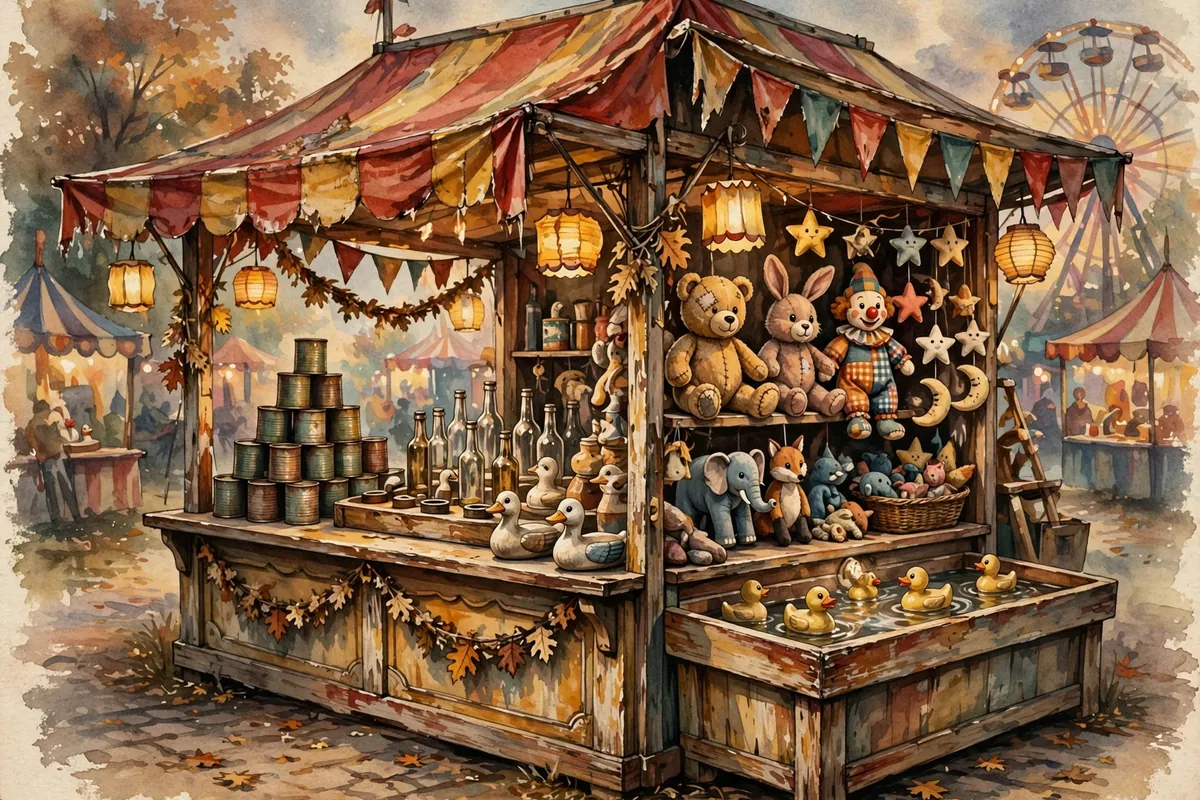
Here's the short answer. The expression comes from the practice of handing out cigars as prizes in fairground games. Many of those games required the player to hit a target, like a bullseye. If your shot landed near the mark but not on it, you were close, but you didn't win the cigar.
Cigars as Prizes
Cigars have long been linked with celebration. People hand them out and smoke them to mark special occasions, such as the birth of a baby, graduations, and promotions. They became a symbol of success, a small luxury that most people could afford at least for special occasions. Old cartoons of the rich often showed cigar smokers in top hats and tailcoats.
That reputation helps explain why a cigar made such an appealing prize at the fair, a little taste of the good life for anyone with a sharp eye and a steady hand.
Life on the Midway
Carnival games have been a fixture at traveling carnivals, amusement parks, and state and county fairs. Most work on a pay-per-play basis and offer a small prize to the winner. Some are games of chance, where a random outcome decides the winner, while others test skill, like tossing a ball into a basket or standing a bottle upright.
Today, the prizes are more likely to be stuffed animals, toys, or posters. Players are often encouraged to keep going, since several small prizes can be traded in for a bigger one. In tougher games, such as Stand the Bottle, a single win can earn a large prize right away.
Why So Many Near Misses?
There's a reason players so often came close without winning. Carnival games have a poor reputation in some places. Some games use optical illusions or tricky physics that make it hard to judge how difficult they really are.
And some dishonest operators rigged their games outright. In a ring toss, the blocks holding the prizes might be cut so a ring simply couldn't fit. In a ball and basket game, an operator might tilt the frame holding the basket, changing the ball's path.
There was even a sneaky trick for spotting easy targets. When a dishonest operator found someone willing to keep playing a rigged game, he would pat the player on the back with a chalky hand, leaving a mark. Other operators would look for that chalk and steer the same person to their own crooked games. In many areas today, local law enforcement tests carnival games to catch unfair ones.
A Phrase That Stuck
Fair prizes changed over the years, but the expression lived on. It's the perfect way to say almost, but not quite, and it has even inspired song titles. Thomas Dolby released a song called Close but No Cigar in 1992, and Weird Al Yankovic recorded one with the same name in 2006.
So the next time you narrowly miss a trivia answer or a parking spot, you'll know you're joining a long line of fairgoers who aimed for the prize and just missed. Close, but no cigar, and better luck next time.