A kid grabs a cookie before dinner's on the table. A friend starts celebrating before the game is over. And almost without thinking, someone says it: hold your horses. We all know it means wait a minute, slow down. But most of us haven't held a horse in years, if ever.
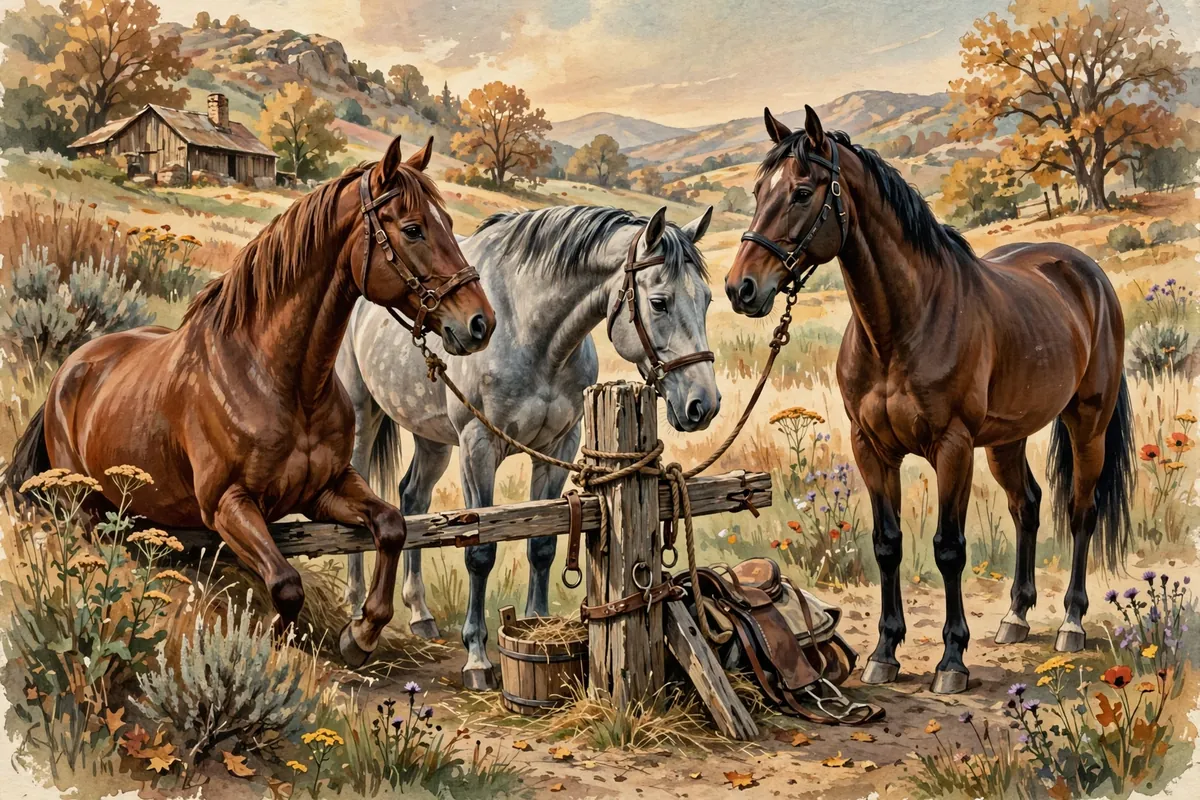
The phrase comes from the days of riding horses and driving horse-drawn wagons and carriages. Literally, to hold your horses meant keeping them still and under control, rather than letting them charge ahead. Over time it became a figure of speech for patience. Its first known uses in that sense come from 19th-century America, where it was often printed as hold your hosses, using a slang word for horse.
Hold Your Hosses
Hoss is old American slang for horse. The phrase shows up in print as hold your hosses many times starting in 1843, and that's the first recorded use with the idiom's modern meaning.
One example comes from the New Orleans Picayune in September 1844: "Oh, hold your hosses, Squire. There's no use gettin' riled, no how." You can almost hear the drawl.
The spelling we use today came later. A 1939 example from the magazine Chatelaine reads, "Hold your horses, dear." A 1943 book of military slang suggests the phrase may also have been used in army artillery units, defined as holding the job until further orders.
A Phrase as Old as Homer?
Some people trace the idea all the way back to ancient Greece. In Book 23 of Homer's Iliad, during a chariot race at the funeral games for the hero Patroclus, a version of hold your horses is used about Antilochus, a young prince driving his chariot like a maniac.
It's a fitting scene. Antilochus had the slowest horses of any of the heroes, so he made up for it with daring. The race's leader, Eumelus, crashed thanks to divine sabotage. He aggressively forced his way past Menelaus at a spot where the track was too narrow for both chariots, and he finished second.
Other explanations claim the phrase goes back to Roman soldiers holding their horses steady amid the noise of battle. But the honest truth is that these origin stories are unverified. What we can say for sure is that the idiom took hold in 1800s America.
Why It Made Perfect Sense
For most of history, horses were how people got around. Riders and wagon drivers had to keep their animals calm and still, whether waiting at a crossing or stopping in town. A hitching post, a post where a horse can be tied up so it won't wander off, was a common sight along streets.
Telling someone to hold their horses was a practical instruction. Keep them steady, don't let them bolt. It's easy to see how that turned into advice for any person who was rushing ahead.
Still Going Strong
Today the phrase is usually followed by a reason to wait: Hold your horses, we haven't won yet. Hold your horses, you might find a better price somewhere else. A more modern cousin is cool your jets, which means essentially the same thing.
Horses may have left most of our streets, but the phrase stuck around. It's a small reminder of a time when patience meant keeping a firm grip on the reins.