“Can I take a rain check?” We say it when we can't make dinner, when the store's out of a sale item, or when we just need to push plans back. There's not a raindrop in sight. So where did this sunny-day phrase come from?
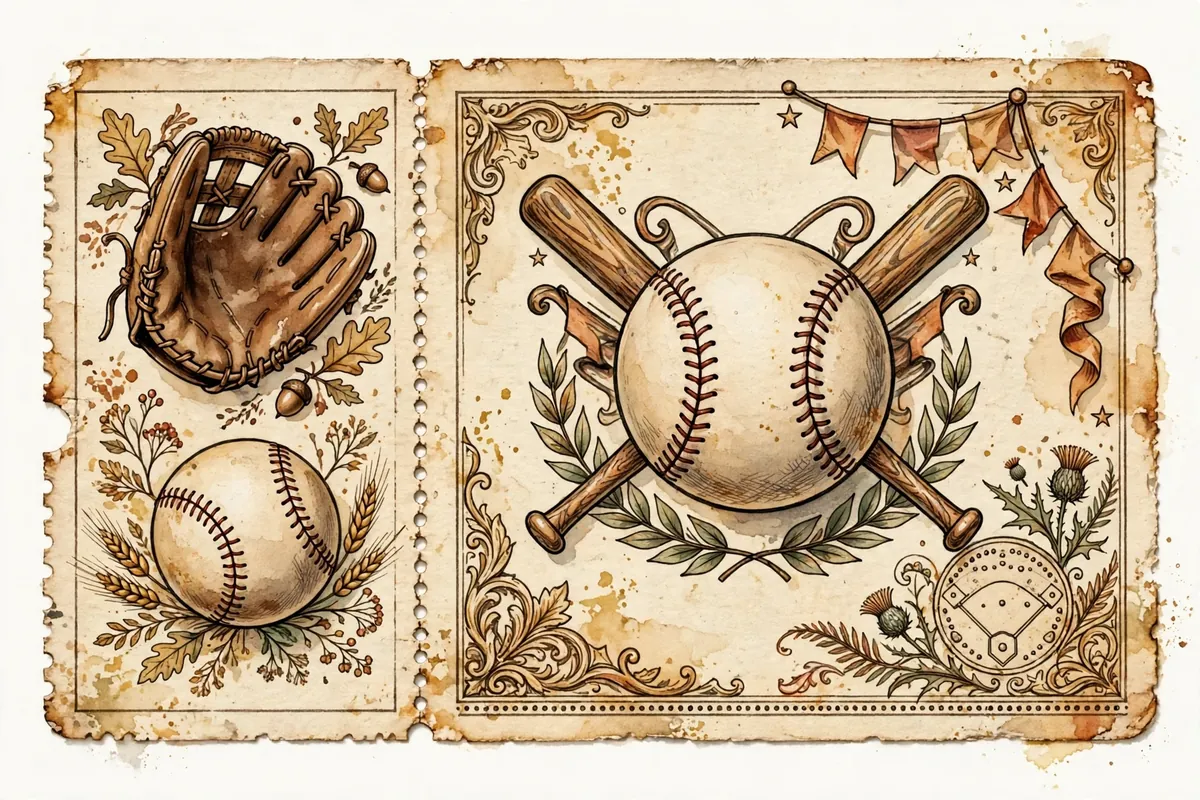
It comes from baseball. In the 1800s, when rain washed out a game, some teams gave fans a ticket, called a rain check, that let them come back to another game for free. The practice dates to at least 1870, and the term “rain check” appears by 1877. People were already using it as a figure of speech by 1896.
A Fair Deal for Wet Fans
Not every team was so generous at first. In Chicago and other cities, if rain interrupted a game after the first inning, fans were simply expected to feel they'd gotten their money's worth. For anyone who had paid to watch nine innings and saw only one, that was a pretty soggy bargain.
In the National League, the St. Louis Brown Stockings pioneered the idea. As one report from the time put it, St. Louis was the only club that gave its patrons the right to see a full game or pay nothing. When rain cut a game short there, “rain checks” were handed out.
Early on, a rain check wasn't tied to a specific makeup game. It was simply a ticket good for some future game, instead of a refund.
The Fence-Climber Problem
The first system had a flaw. Rain checks were handed to spectators as they left the ballpark. That meant people who had sneaked in for free, including fence-climbers, also walked away with a free ticket to the next game. Clubs lost a lot of money that way.
Around 1889, Abner Powell fixed the problem by adding a stub to the original ticket that served as the rain check. Only people who had actually bought a ticket could use it. Powell is often credited with inventing the rain check, but he really improved an idea that already existed.
Today, the original ticket itself usually works as the rain check. In Major League Baseball, a game generally becomes official after five innings in the regular season. If weather stops it before then, fans' tickets may be honored at the rescheduled game or exchanged for another.
From the Ballpark to Everyday Life
Over time, “rain check” moved far beyond baseball. It came to mean any promise to accept an offer later. Stores began offering rain checks when a sale item sold out, so customers could still get the deal later. In 1938, President Franklin Roosevelt even gave a White House doorkeeper a rain check on a future ocean cruise after illness kept him from going. These days it can even be a little vague: a friendly promise to get together sometime, without naming a date.
Baseball's Gift to the English Language
Baseball has given English plenty of other everyday phrases. A “ballpark figure,” meaning a rough estimate, dates to at least 1957. “Batting a thousand,” meaning getting everything right, has been used outside baseball since the 1920s. And when something is done perfectly, we might say it was knocked “out of the park.”
So the next time you politely say you'll take a rain check, you're borrowing a little piece of 19th-century baseball history. Rain or shine, it's a handy way to say “not today, but soon.”