Most animals adapt to the world around them. Beavers do something bolder: they rebuild it. A single family armed with nothing but teeth, paws, and mud can turn a quick-running stream into a pond, a pond into a wetland, and a wetland into a meadow.
That's why scientists call the beaver an ecosystem engineer and a keystone species. By damming streams, beavers change where water flows and how long it stays. Aside from humans, few living animals do more to reshape their surroundings, and the wetlands they create become home to a huge cast of other plants and animals.
Built by Ear
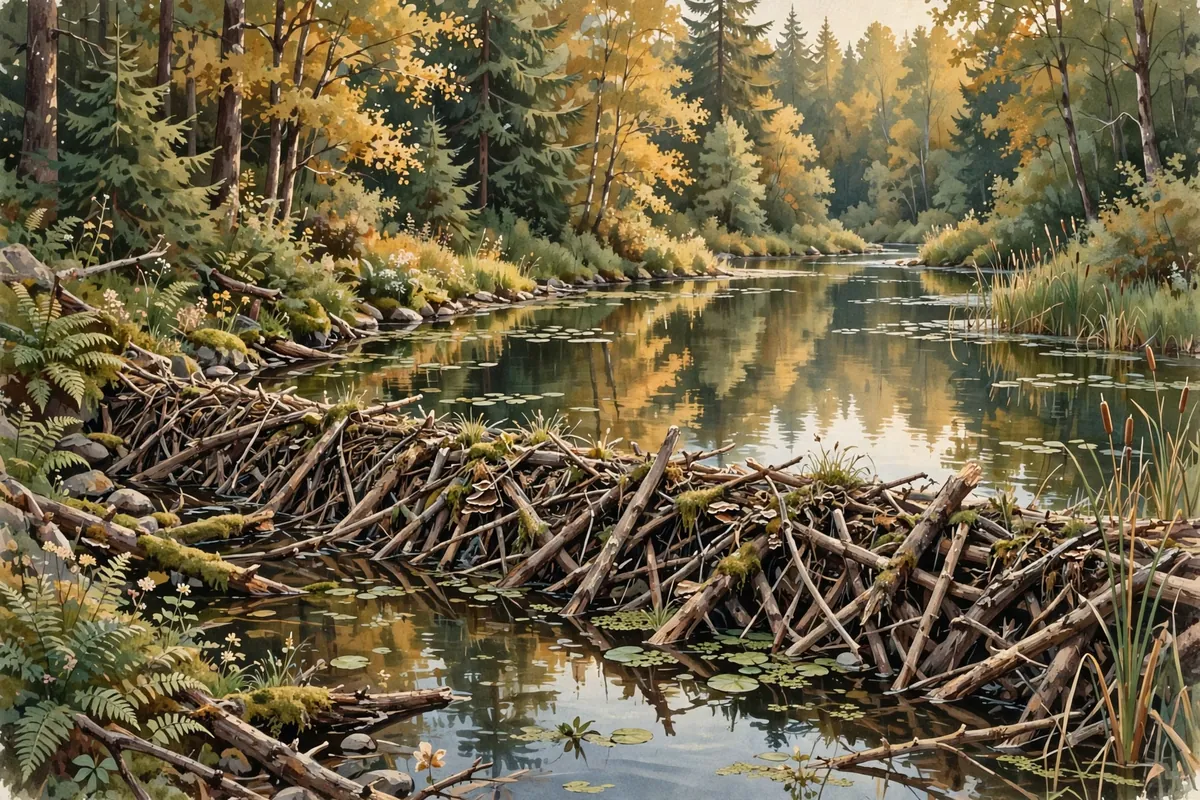
Beavers build dams so they have a pond to live in. Their lodges, usually built in the pond, give them shelter from predators and the weather. Lake-dwelling beavers don't need dams at all.
The construction is surprisingly clever. Beavers start building when they hear running water, and the sound of a leak in a dam sets them off to repair it. They stack long, thick logs between the banks, steady them with heavy rocks, and pack grass in between. A beaver can cut down a tree about 6 inches wide in under 50 minutes, switching between the left and right side of its mouth as it chews.
Dams can be as low as 8 inches or as tall as 10 feet. Most run from a few feet to a few hundred feet long. The longest known beaver dam, in Wood Buffalo National Park in Alberta, Canada, stretches about 2,540 feet. Satellite photos show it didn't exist in 1975.
A Pond Full of New Neighbors
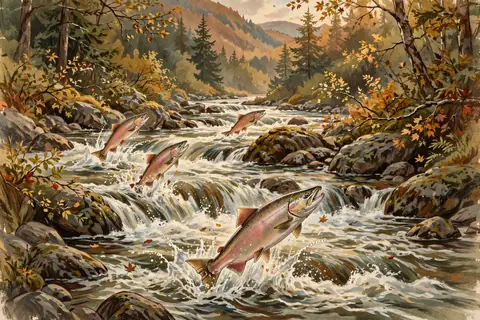
Once the water backs up, life moves in. Slow-water creatures like dragonflies, snails, and mussels thrive. Frogs get warm, protected pools where their young can grow, and turtles enjoy the calm water. Beavers can even boost wild salmon and trout numbers, and the average size of those fish, because the ponds give them places to spawn, feed, and spend the winter.
Birds benefit too. In one study of Wyoming streams and rivers, waterways with beavers had 75 times as many ducks as those without. Trees drowned by rising water become perfect homes for woodpeckers, whose old holes are later used by other birds.
Holding Water When It Counts
Beaver ponds act like a sponge for the land. They raise water tables, trap sediment and pollutants, and help keep valuable soil from washing away. In one study, areas where beavers had returned had 160% more open water during droughts than in years when the animals were absent. Beaver dams are even better at trapping water and slowly releasing it than concrete dams built by people.
The effect doesn't stop when the pond fills in. Over time the wetland collects plant debris and dries out, and grasses take over, turning a patch of forest into a meadow. Eventually trees like aspens and willows return, beavers move back in, and the cycle starts again.
The Beavers Who Beat the Bureaucrats
In the Brdy Protected Landscape Area south of Prague, soldiers decades ago dug gullies that drained a wetland into dry ground. In 2018, officials drafted plans to build small dams and restore it, but paperwork, land disputes, and money troubles kept delaying the project.
Then, in early 2025, a family of Eurasian beavers built a series of dams in the same spots the humans had planned. Their work restored the wetland and saved the Czech government about $1.2 million.
Beavers have bounced back from hard times of their own. Overhunting for fur nearly wiped them out before protections began, and North America once held an estimated 60 to 400 million beavers. Today their numbers have recovered enough to be listed as least concern. Given how much they do for the land, that's good news for all of us, ducks and trout included.