Every May, Americans buy flowers, chocolates, and cards for Mom. It's one of the busiest days of the year for florists and restaurants. But the woman who created Mother's Day would have hated almost all of it.
Her name was Anna Jarvis. She founded Mother's Day to honor her own late mother, holding the first official observance in 1908. But as the holiday became commercialized, she grew so disillusioned that she fought against it, even trying to have Mother's Day rescinded in her later years.
A Promise to Her Mother
Anna Jarvis was born in 1864 in West Virginia. Her mother, Ann Reeves Jarvis, was a social activist who organized Mothers' Day Work Clubs. In an 1876 Sunday school lesson, she prayed that someday someone would found "a memorial mothers day" honoring mothers for their "matchless service." Young Anna is said to have taken those words to heart.
Anna later moved to Philadelphia, where she became the first female literary and advertising editor at a life insurance company. When her mother's health declined, Anna cared for her. Ann Reeves Jarvis died on May 9, 1905.
The First Mother's Day
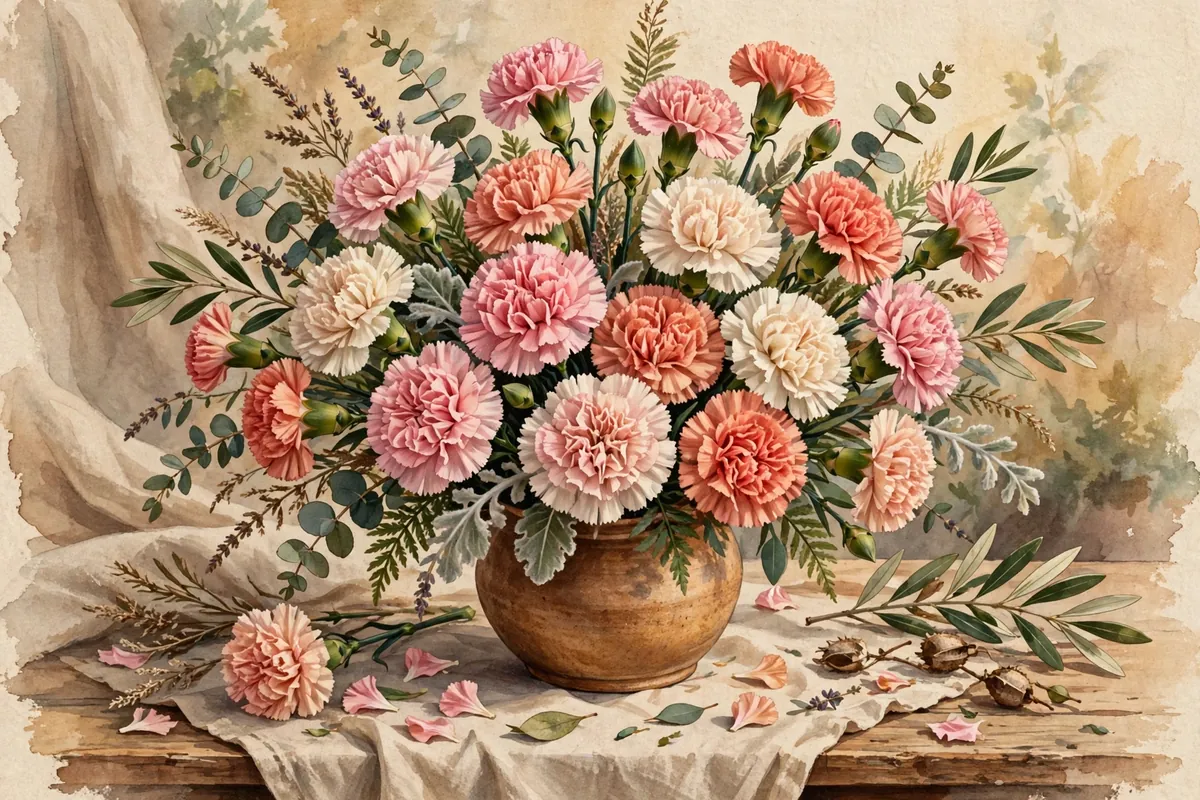
On May 10, 1908, three years after her mother's death, a memorial service was held at Andrews Methodist Episcopal Church in Grafton, West Virginia, the church where her mother had taught. It's considered the first official observance of Mother's Day. Anna didn't attend, but she sent a telegram and 500 white carnations, her mother's favorite symbol.
Then she went to work. She wrote countless letters to business leaders, church groups, and politicians. She quit her job and created the Mother's Day International Association in 1912. The idea spread to every state and to many other countries, and in 1914, President Woodrow Wilson proclaimed Mother's Day a national holiday.
She even cared about the punctuation. Jarvis insisted on "Mother's" as a singular possessive, so each family would honor its own mother, rather than "Mothers'" for all mothers in general.
When the Holiday Got Away From Her
It didn't take long for business to move in. Candy makers, florists, and greeting card companies saw an opportunity. By the 1920s, florists had raised the price of white carnations and introduced red ones to meet demand.
Jarvis was furious. She called a printed card a sign "that you are too lazy to write to the woman who has done more for you than anyone in the world." And candy? "You take a box to Mother, and then eat most of it yourself," she scoffed.
A Sad Ending
Jarvis spent her own money fighting what the holiday had become, and she never profited from it. In 1943, she began organizing a petition to rescind Mother's Day, but her health was failing and she was placed in a sanitarium in Pennsylvania. According to one account, people connected to the flower and greeting card industries helped pay her bills there. By one report, she said she wished she had never started the day because it had gotten so out of control.
She died on November 24, 1948, and was buried beside her mother. So this May, if you want to honor Anna Jarvis's original wish, skip the store-bought card for once. Write Mom a heartfelt letter instead. It's exactly what the founder of Mother's Day would have wanted.