Picture a fancy dinner party in the 1800s: candlelight, good conversation, and the family's best heirloom china. Then comes the cleanup, and some of those precious dishes get chipped in the wash. For most hosts, that would just be bad luck. For Josephine Cochrane, it was the start of an invention.
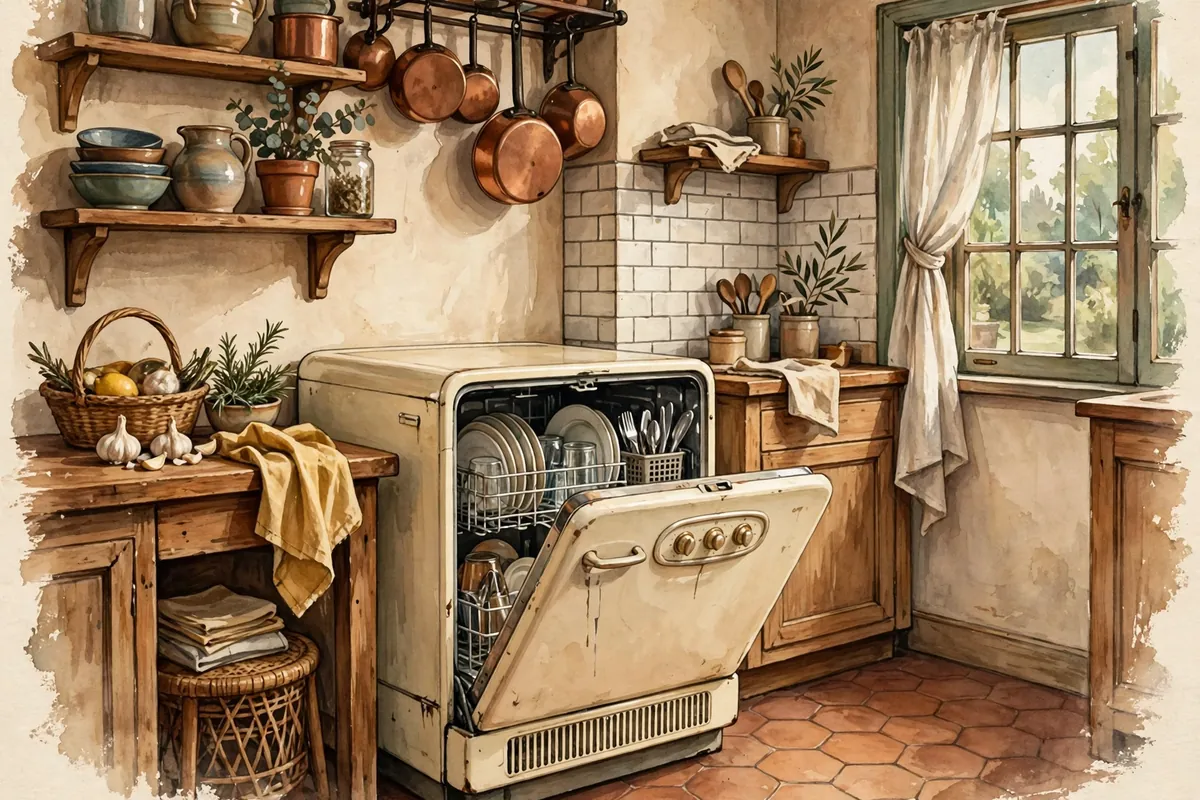
Cochrane, a member of Chicago-area society, invented and manufactured the first successful dishwasher. Frustrated by damaged dishes, and wanting to spare tired housewives the chore of washing up, she designed a machine that cleaned dishes with sprays of hot, soapy water. She received a patent for it on December 28, 1886.
From Comfortable Life to Hard Times
Josephine Garis was born in Ohio in 1839 and raised in Indiana. Her father was a civil engineer, and she was the granddaughter of an innovator, so a knack for machines may have run in the family. In 1858 she married William Cochran, a prosperous merchant and politician. She took his name but added an “e” to the end. In 1870, the family moved into a mansion, and she joined Chicago society.
Then life changed. When her husband died in 1883, she was left with just $1,535.59 and a lot of debt to pay off. Her dishwasher idea became more than a hobby. It became a way forward.
Built in a Backyard Shed
Others had tried to make dishwashers before, including a hand-cranked dish soaker in 1850 and a spinning rack in the 1860s. Neither worked very well.
Cochrane took a different approach. Working in a shed behind her house in Shelbyville, Illinois, with a young mechanic named George Butters, she measured her dishes and built wire compartments shaped to hold plates, cups, or saucers. The compartments sat in a wheel inside a copper boiler. As the wheel turned, hot soapy water squirted up from the bottom and rained down on the dishes.
That was the key innovation. Her dishwasher was the first to use water pressure, instead of scrubbers, to clean the dishes.
A Hit at the World's Fair
Selling to ordinary households was tough. Early machines cost $75 to $100, a lot of money at the time, and most homes didn't have enough hot water to run them. Only years later, as homes added bigger water boilers, could she start selling to housewives.
Her big break came at the 1893 World's Columbian Exposition in Chicago. Nine of her machines were installed in restaurants and pavilions at the fair, and she won a prize for the best mechanical construction, durability, and fitness for the job. Afterward, orders poured in from restaurants and hotels, which had plenty of hot water.
Her company kept growing, mostly by selling to hotels and other businesses, and in 1897 it was renamed Cochran's Crescent Washing Machine Company. In 1898 she opened her own factory with George Butters as manager, selling machines from Mexico to Alaska.
A Lasting Legacy
Cochrane died in 1913, long before dishwashers became common in American homes. That didn't happen until the 1950s. In 1926, her company was sold to KitchenAid, a brand that's now part of Whirlpool.
In 2006, she was inducted into the National Inventors Hall of Fame for her dishwasher patent. So the next time you load the dishwasher after a family dinner, you can thank a determined hostess who simply refused to put up with chipped china.