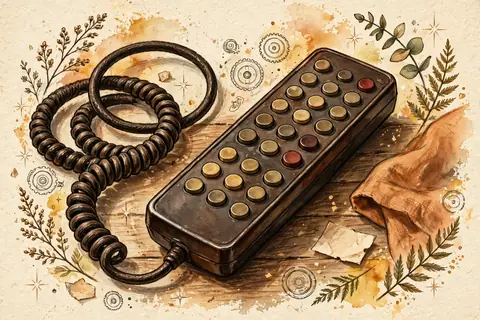
On a cold winter night, few things feel better than climbing into a bed that's already warm. The electric blanket has been making that happen for generations. Along the way, a popular story has grown up around it: that the idea came from efforts to keep soldiers warm in wartime.
Here's what the record actually shows. The first electric blanket was invented in 1912 by an American physician named Sidney I. Russell, years before most of the wartime gear people point to. Military airmen did wear electrically heated clothing in both world wars, but that's a separate story from the blanket on your bed. We couldn't find solid evidence that the electric blanket was created for soldiers.
A Doctor's Invention
Russell's earliest electric blanket was what we'd now call an underblanket. It went under the sleeper and heated the bed from below. In 1937, electric overblankets, which lie on top of the sleeping person, were introduced in the United States.
Those two styles still divide the world today. In the UK and many Commonwealth countries, the underblanket is the standard "electric blanket." In the U.S. and Canada, the overblanket is more common, and the under-the-sheet version is usually called a heated mattress pad.
Where the Military Story Comes In
Electric heat did help keep some military men warm, especially in the air. During World War I, pilots in open cockpits faced bitter cold at high altitude. Australian pilot Sidney Cotton designed a famous layered flying suit in 1916, and on long flights it could be paired with an electrically heated vest, gloves, and boot insoles powered by a little windmill generator.
It wasn't perfect. Bending broke the wires in the gloves, and too much voltage could cause burns. By World War II, Lion Apparel and General Electric produced electrically heated suits for patrol and bomber crews flying above 30,000 feet, where it was cold enough for skin to freeze instantly to metal.
As aircraft gained enclosed, pressurized, heated cabins, most of that bulky gear became unnecessary. So electric heat did keep some servicemen warm, but in the form of flight suits, not bed blankets.
How Your Blanket Works
An electric blanket has insulated heating wires woven into the fabric. A control unit between the blanket and the outlet adjusts the warmth by pulsing the current. Blankets for two-person beds often have a separate control for each side, and they use only about 15 to 115 watts. It can pre-heat the bed before you climb in or keep you warm through the night. In cold weather, electric blankets have been found to help people fall asleep faster and feel cozier at bedtime.
A Word on Safety
Newer blankets have automatic shutoffs to prevent overheating. Older ones, made before about 2001, may not, and they're considered fire hazards. In the United Kingdom, faulty electric blankets were estimated in 2011 to cause about 5,000 fires a year. They can also pose a burn risk for small children and for people who have trouble feeling heat, so if you have health concerns about using one, talk to your doctor.
So if your electric blanket is older than some of your grandkids, it may be time for an upgrade. And the next time you slip into a toasty bed, you can thank a doctor from 1912 rather than an army quartermaster.