Today, most of us carry a phone in our pocket without a second thought. But there was a moment when a handheld phone call was pure science fiction. That changed on a spring day in 1973, on a crowded sidewalk in Manhattan.
On April 3, 1973, Motorola engineer Martin Cooper made the first public call from a handheld cellular phone while standing on Sixth Avenue in New York City. And he didn't call his mom. He called his chief competitor, Joel Engel of AT&T's Bell Labs, to let him know Motorola had gotten there first.
A Race Between Rivals
Car phones had been around in big U.S. cities since the 1930s. But Cooper, who headed Motorola's communications systems division, wanted something more personal. He believed a phone number should belong not to a place, a desk, or a home, but to a person.
Cooper's team designed and assembled a working handset in less than 90 days. To make the call work, Motorola built an experimental base station on the roof of a nearby building and wired it into the AT&T landline network.
Joel, This Is Marty
Before a scheduled press conference at the New York Hilton, Cooper and his manager, John Mitchell, showed off two working phones to reporters and passersby. Then, with onlookers watching, Cooper dialed Engel.
Cooper later recalled the moment. He said he told his rival he was calling from a cell phone, a real handheld portable cell phone. He also made other calls that day, including one to a radio reporter while crossing the street, which he called probably one of the most dangerous things he had ever done.
The demonstration landed the phone on the cover of Popular Science magazine that July.
Just months later, on October 17, 1973, Motorola filed a patent for the radio telephone system, with Cooper as lead inventor and Mitchell and the team's engineers also named. Cooper went on to hold 11 patents in the field and is often called the father of the handheld cell phone.
The Brick
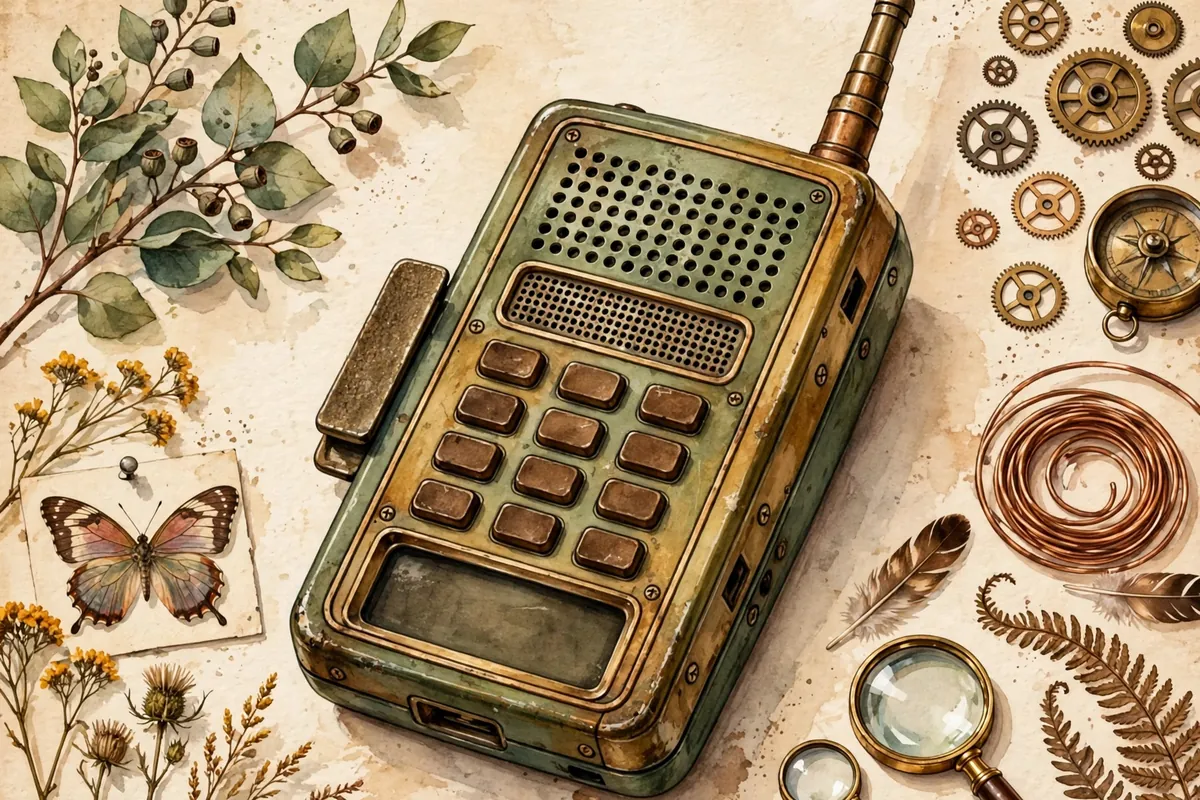
The phone was called the DynaTAC, and it earned nicknames like the brick and the shoe. It was about 10 inches long and weighed at least two and a half pounds, much of it battery.
It offered just 30 minutes of talk time, then needed about 10 hours to recharge. Cooper joked that battery life wasn't really a problem, because you couldn't hold the phone up that long anyway. Over the next decade the design went through four versions, and by 1983 the handset weighed half as much as the original.
Ten Years to the Store
The 1973 call was just the beginning. It took another decade of work, and heavy lobbying of the government, to bring the phone to market. Meanwhile, Japan launched the world's first commercial cellular network in 1979.
The DynaTAC 8000x was unveiled in 1983 and went on sale in 1984 for $3,995. At the minimum wage of the time, $3.35 an hour, that was more than 1,190 hours of work. Motorola invested about $100 million between 1973 and 1993 before seeing any revenue.
The gamble paid off. By 2024, worldwide mobile phone subscriptions had grown to more than 9.1 billion, enough for one for every person on Earth. Not bad for a brick that started with a cheeky call to the competition.