Today it's hard to picture the U.S. capital anywhere but Washington, D.C. The White House, the Capitol dome, the monuments: it all feels permanent. But in the nation's early years, the location was up for grabs, and several other places came close to winning.
Here's the short version. In 1789, the House of Representatives approved a capital site on the Susquehanna River in Pennsylvania, near a town now called Columbia. The Senate wanted a spot near Germantown, Pennsylvania, instead, and the two sides couldn't agree. The next year, a famous dinner deal among Thomas Jefferson, James Madison, and Alexander Hamilton sent the capital to the Potomac River instead.
A Country That Couldn't Decide
In the 1780s, states eagerly offered places to host the government. Proposals included Kingston, New York; Annapolis; Williamsburg, Virginia; Wilmington, Delaware; Lancaster, Pennsylvania; Princeton; New York City; Philadelphia; and more. Someone even suggested having two capitals, one in the North and one in the South.
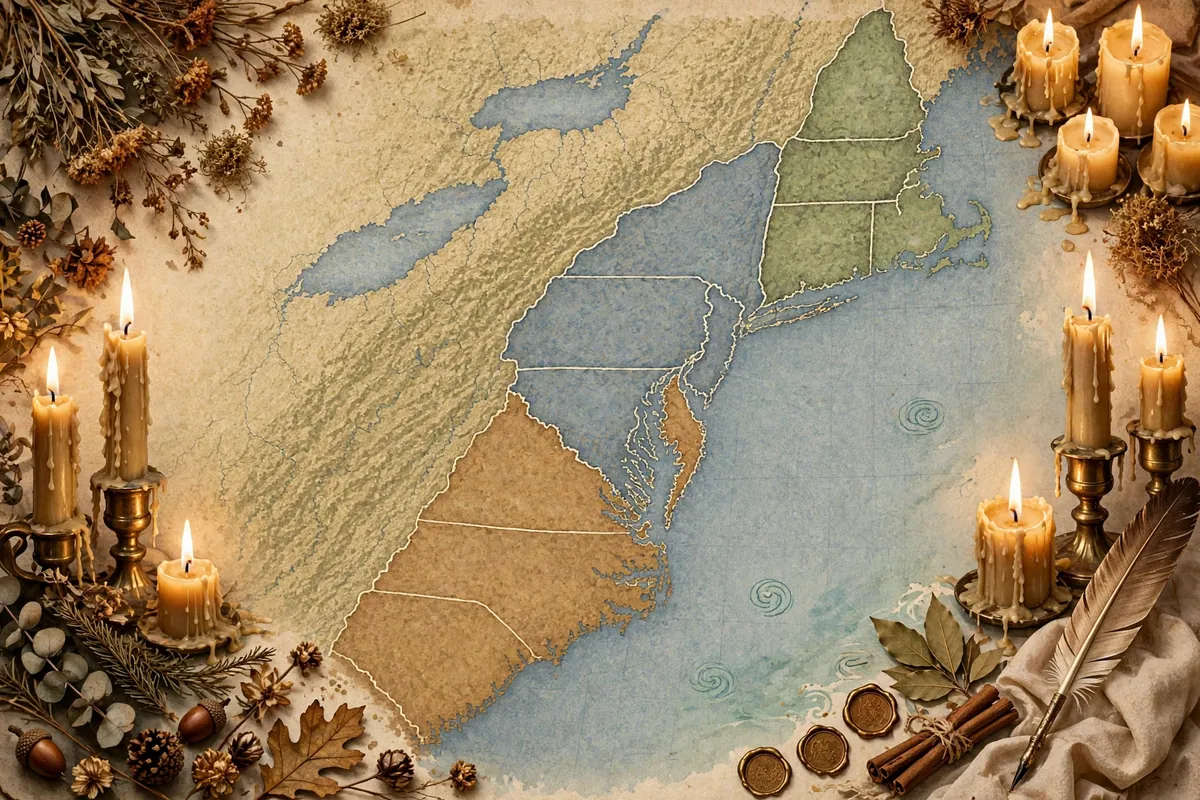
The problem was regional pride. Southern states refused a capital in the North, and Northern states refused one in the South. Eventually the debate narrowed to two serious contenders: a site on the Potomac River near Georgetown, and one on the Susquehanna River near Wright's Ferry.
The Town That Renamed Itself
Wright's Ferry wanted the honor badly. In 1788, the town was laid out into building lots and renamed Columbia, after Christopher Columbus, in hopes of persuading Congress to choose it. George Washington reportedly favored the plan, and a formal proposal came in 1789.
For a moment, it looked like it might work. The House approved the Susquehanna site that September. But the Senate's bill picked a different location, and the two chambers never settled their differences. Columbia's own history says the town ended up just one vote short. Later, Columbia narrowly missed becoming Pennsylvania's state capital too, losing out to Harrisburg, which sat closer to the center of the state.
The Dinner That Settled It
In 1790, the capital fight got tangled up with money. Alexander Hamilton wanted the federal government to take on the states' Revolutionary War debts. Many Southern states hated the idea, and James Madison led the effort to block it. Meanwhile, Madison and Jefferson wanted the capital on the Potomac but lacked the votes.
Jefferson offered to host a dinner to bring Madison and Hamilton together. Out of it came a trade: Northern lawmakers would accept a Southern site on the Potomac, and the government would take on the states' war debts. The Residence Act squeaked through, 14 to 12 in the Senate and 31 to 29 in the House. Philadelphia became the temporary capital until the new city was ready in 1800.
One More Close Call
Washington, D.C., faced one more threat. After British troops burned the city during the War of 1812, some lawmakers pushed to move the capital, possibly back to Philadelphia. In 1814, the House voted down the proposal, 83 to 54. President James Madison helped keep the government in place by assuring Congress that the White House and Capitol could be rebuilt.
So the next time you see the Capitol dome on the evening news, remember that it could easily have been a riverbank in Pennsylvania. A handful of votes and a well-timed dinner party helped decide where America's history would be made.