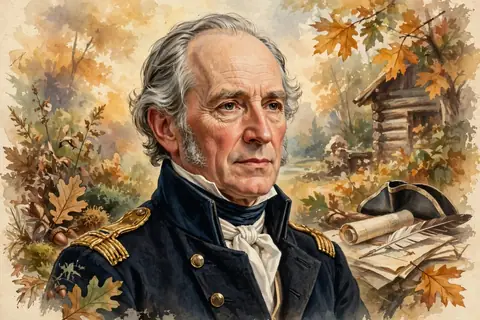
We picture Abraham Lincoln as the serious, bearded president who held the country together during the Civil War. But long before that, he was a broke young man trying to make a living in a tiny Illinois village. And for a while, his job description included pouring drinks.
Here's the story. In the early 1830s, Lincoln co-owned a general store in New Salem, Illinois, with a partner named William F. Berry. In 1833, the store got a liquor license and became a tavern as well, and Lincoln and Berry worked as licensed bartenders, selling liquor at 12 cents a pint. The business failed, and Lincoln was left with a debt that took him years to pay off.
Two Young Men Buy a Store
In January 1832, Lincoln was 23 years old. He and the 21-year-old Berry, who had served in Lincoln's militia company during the Black Hawk War, bought one of New Salem's three general stores. They didn't have the cash, so they signed personal notes to pay for it.
The store sold all kinds of goods: clothing, dry goods, hardware, home furnishings, and food, including takeout meals for stagecoach passengers. For a short time, the two men did well. Lincoln often slept in the back room after staying up late reading.
Years later, in his 1860 autobiography, Lincoln described how it happened. He had considered learning to be a blacksmith or studying law. Then, as he put it, a man offered to sell an old stock of goods on credit to him and another man as poor as himself. They opened as merchants, and he said that was the store.
Twelve Cents a Pint
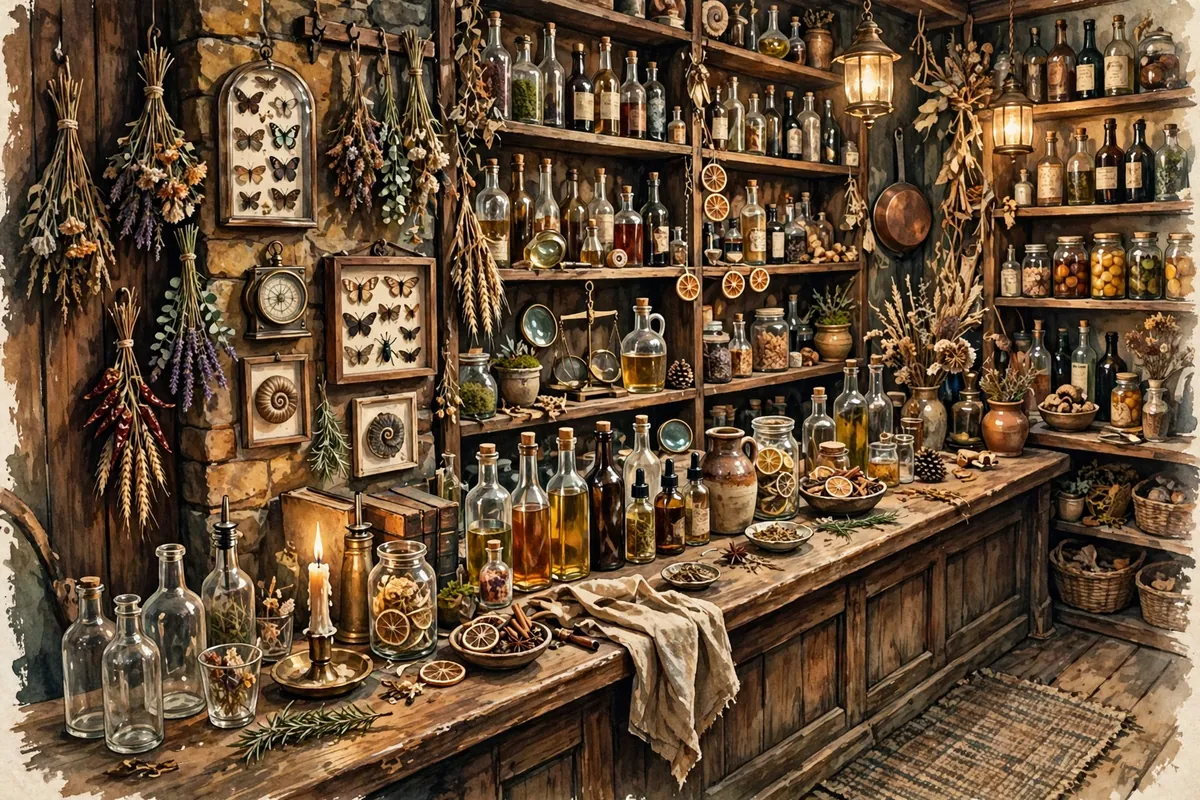
In January 1833, Berry applied for a liquor license that cost 7 dollars, and the store became a tavern too. As licensed bartenders, Berry and Lincoln sold liquor by the pint. The extra money helped, but not enough.
New Salem was struggling. The Sangamon River turned out to be poor for shipping goods, and no roads or railroads connected the village to bigger markets. Berry also became a heavy drinker and was often too drunk to work, leaving Lincoln to run the store alone. Local tradition holds that disagreements over selling liquor helped break up the partnership. One biographer described Lincoln as too soft-hearted to deny anyone credit.
The 'National Debt'
Lincoln sold his share to Berry in 1833, and the store closed the following year. When Berry died in 1835, Lincoln was stuck with a business debt of $1,100, a huge sum for a young man at the time. He jokingly called it his 'national debt.'
Paying it off took a long time. Lincoln's need for income was one reason he ran for the Illinois state legislature in 1834, a race he won. He didn't finish paying the debt until 1847, after he was elected to the U.S. House of Representatives.
How a Failed Store Built 'Honest Abe'
The tavern days came back to haunt him. At the first Lincoln-Douglas debate in Ottawa, Illinois, in August 1858, his rival Stephen Douglas mocked him for having run a 'grocery,' a polite word back then for a tavern.
But the store also helped build his good name. Lincoln was known for telling customers when a product wasn't very good. According to local legend, he once took 6 cents too much from a customer and walked three miles to return it. Stories like these helped earn him the nickname 'Honest Abe.'
So the next time you see Lincoln's calm face on a penny or a five-dollar bill, picture him younger, behind a wooden counter in a frontier store, measuring out pints and worrying about the bills. Even great presidents start somewhere.