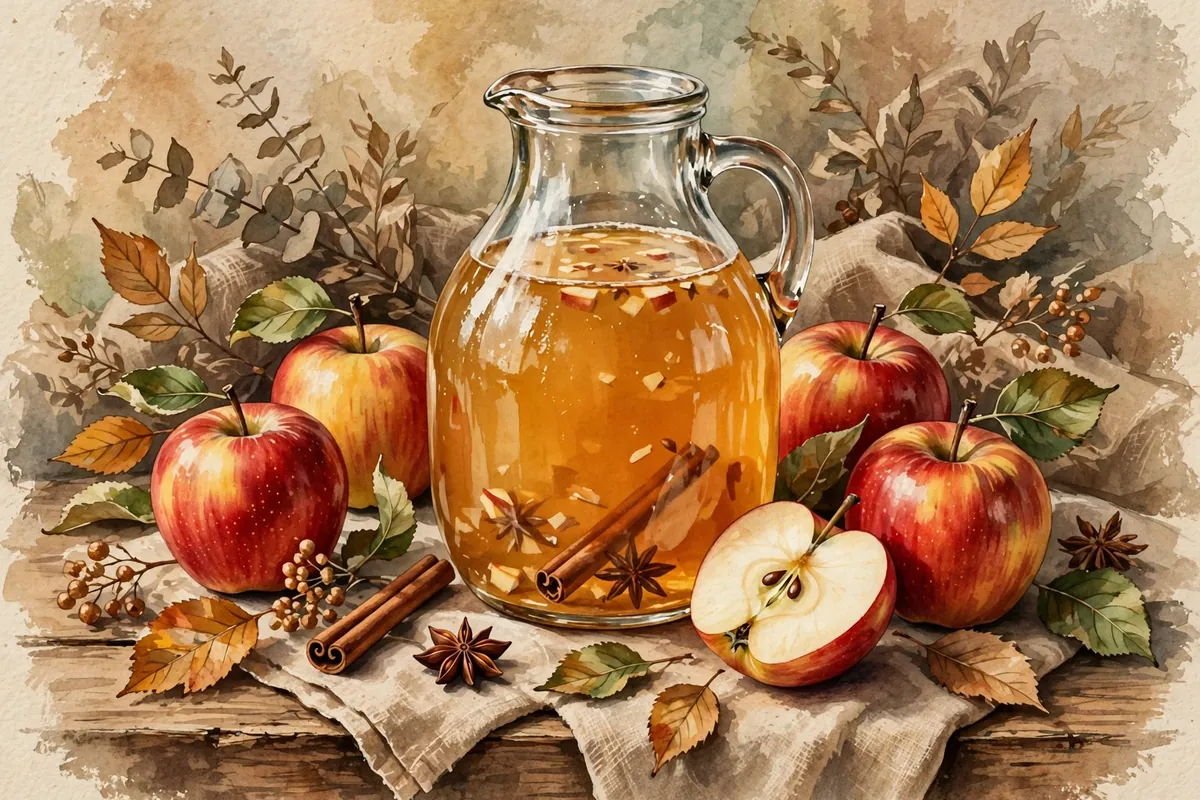
When the leaves start turning, something shows up at farm stands and grocery stores across America: big jugs of cloudy, golden-brown apple cider. Warm it on the stove with a cinnamon stick, and the whole house smells like autumn. But why is cider so tied to fall?
The simple answer is the apple harvest. Fresh cider is pressed from whole apples, so it's produced seasonally in the autumn, when the fruit comes in. It has become a traditional drink for Halloween, Thanksgiving, Christmas, and New Year's Eve, often served hot and mulled. And visiting orchards in fall for cider, doughnuts, and pick-your-own apples is now a big part of farm tourism.
Cider Isn't the Same Everywhere
Here's something that surprises travelers. In the United States and Canada, "apple cider" usually means a fresh, unfiltered, unsweetened, non-alcoholic drink. In most of the rest of the world, "cider" means an alcoholic beverage, which Americans call hard cider. Outside North America, our kind of cider is often just called cloudy apple juice.
So what makes cider different from apple juice? According to Massachusetts agriculture officials, fresh cider is raw apple juice that hasn't been filtered to remove pulp and sediment. Apple juice is cooked, filtered, and pasteurized so it lasts longer. That's why cider looks cloudy and usually tastes tangier. The line is blurry, though, and Canada counts any unfiltered, unsweetened apple juice as cider, fresh or not.
Made From Every Apple
Cider is a wonderfully thrifty drink. It's pressed from whole apples, including cores, trimmings, and oddly shaped "imperfect" fruit. Traditional cider is usually made from a blend of several apple varieties for a balanced taste. Old favorites like Jonathan and Winesap were once among the most prized cider apples for their tangy flavor.
Fresh cider also changes over time. Even in the refrigerator, raw cider becomes slightly fizzy within a few weeks and will eventually turn into hard cider as it ferments. Before modern refrigeration, that's simply what happened to cider.
Johnny Appleseed's Real Gift
Johnny Appleseed, whose real name was John Chapman, is famous for planting apple trees across the frontier. But he planted from seed, and only about one seedling in 100 yields an apple that's good for eating. Thoreau joked that an apple grown from seed tastes "sour enough to set a squirrel's teeth on edge."
Those sour apples were fine for cider, though. In the early 1800s, Ohioans aged 15 and older drank an average of 30 gallons of hard cider a year. Author Michael Pollan has argued that Chapman was welcome in frontier cabins because he was, in effect, bringing the gift of cider.
A Little Safety Note
Many commercial ciders are pasteurized or treated with ultraviolet light to kill bacteria. That became more common after outbreaks of illness from unpasteurized cider in the late 1990s, and many states now require a warning label on raw cider. If you're unsure whether raw cider is right for you, talk to your doctor.
Then there are cider doughnuts. They were traditionally made with the natural yeast in raw cider to help them rise, and they're still sold at cider mills and roadside stands, though not every batch uses natural cider today. So this fall, grab a jug, warm up a mug, and maybe a doughnut or two. You're keeping a very old American tradition alive.